

Cybersecurity is no longer a concern reserved for large corporations. Small and medium businesses (SMBs) are increasingly becoming targets of cybercriminals due to their valuable data and often limited security resources. A single cyberattack can lead to financial losses, operational disruption, reputational damage, and legal consequences.
- Keeping Your Business Safe Online
- Cybersecurity for Business
- What Is Cybersecurity?
- Why Are Small and Medium Businesses Targeted by Cybercriminals?
- Top Reasons Why Cybersecurity Is Important for SMBs
- 1. Protects Sensitive Business Data
- 2. Prevents Costly Cyberattacks
- 3. Maintains Customer Trust
- 4. Ensures Business Continuity
- 5. Supports Regulatory Compliance
- 6. Protects Against Ransomware
- 7. Secures Remote and Hybrid Work Environments
- Common Cybersecurity Threats Facing Small Businesses
- Keeping Your Business Safe Online
- Essential Cybersecurity Best Practices for SMBs
- Use Strong Passwords
- Enable Multi-Factor Authentication
- Keep Software Updated
- Train Employees
- Back Up Business Data
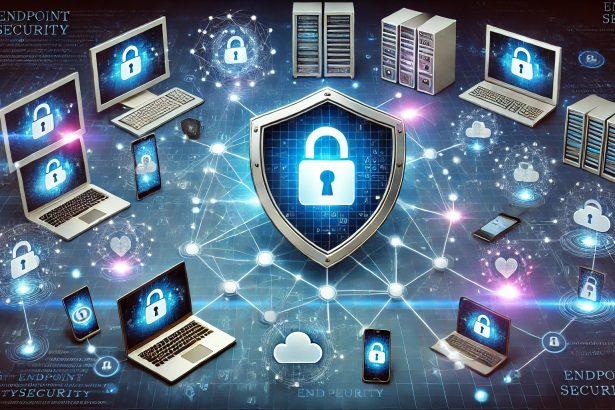
- Install Endpoint Security Solutions
- Limit Access Privileges
- Benefits of Investing in Cybersecurity
- The Cost of Ignoring Cybersecurity
- Conclusion
- Cybersecurity for Business
This article explores why cybersecurity is important for small and medium businesses and how investing in cybersecurity can help organizations protect their assets, customers, and long-term growth.
Keeping Your Business Safe Online
Our cybersecurity experts have highlighted five websites that have become risky environments for businesses due to weak security practices, aggressive tracking behavior, and exposure to scams or malicious activity. These platforms are described as unsafe not only for casual users but also for organizations that could unknowingly leak sensitive data, suffer phishing attacks, or be exposed to malware through their use. To understand the specific websites involved and the detailed risks they pose, we strongly encourage reading our full guide here.
Cybersecurity for Business
Your business faces constantly evolving cyber threats that can jeopardize sensitive data, disrupt operations, and damage your reputation. Our cybersecurity for business solutions are tailored to meet the unique challenges of companies of all sizes, providing robust protection against malware, phishing, ransomware, and more.
Whether you’re a small startup or a large enterprise, we offer multi-license cybersecurity packages that ensure seamless protection for your entire team, across all devices. With advanced features like real-time threat monitoring, endpoint security, and secure data encryption, you can focus on growing your business while we handle your digital security needs.
Get a Free Quote Today! Safeguard your business with affordable and scalable solutions. Contact us now to request a free quote for multi-license cybersecurity packages designed to keep your company safe and compliant. Don’t wait—protect your business before threats strike!
What Is Cybersecurity?
Cybersecurity refers to the technologies, policies, and practices used to protect computers, networks, applications, and data from unauthorized access, cyberattacks, and digital threats.
For SMBs, cybersecurity involves safeguarding business information, customer data, financial records, and critical systems against threats such as malware, ransomware, phishing attacks, and data breaches.
Why Are Small and Medium Businesses Targeted by Cybercriminals?
Many business owners assume cybercriminals only target large enterprises. In reality, small and medium businesses are often viewed as attractive targets because they may have:
- Limited cybersecurity budgets
- Fewer dedicated IT security professionals
- Outdated software and systems
- Weak password policies
- Insufficient employee security training
Attackers frequently exploit these vulnerabilities to gain access to sensitive information or disrupt business operations.
Top Reasons Why Cybersecurity Is Important for SMBs
1. Protects Sensitive Business Data
Every business handles valuable information, including:
- Customer records
- Payment information
- Employee data
- Financial documents
- Business contracts
- Intellectual property
A strong cybersecurity strategy helps prevent unauthorized access, theft, and loss of critical business data.
2. Prevents Costly Cyberattacks
Cyberattacks can be extremely expensive for small and medium businesses. The costs often include:
- Incident response and recovery
- Lost productivity
- Legal expenses
- Regulatory fines
- Ransom payments
- Customer compensation
Investing in cybersecurity is significantly more affordable than recovering from a major security incident.
3. Maintains Customer Trust
Customers trust businesses with their personal and financial information. A data breach can quickly damage that trust and drive customers to competitors.
Businesses that prioritize cybersecurity demonstrate a commitment to protecting customer information, which strengthens loyalty and brand reputation.
4. Ensures Business Continuity
Cyber threats such as ransomware can bring operations to a standstill by locking employees out of critical systems and files.
Effective cybersecurity measures help ensure:
- Reduced downtime
- Faster incident recovery
- Continuous business operations
- Improved resilience against cyber threats
5. Supports Regulatory Compliance
Many industries must comply with data protection and cybersecurity regulations. Depending on the region and industry, businesses may be required to protect customer information and report security incidents.
Failure to comply can result in:
- Financial penalties
- Legal liabilities
- Loss of business opportunities
- Reputational damage
A well-designed cybersecurity program helps organizations meet compliance requirements and reduce legal risks.
6. Protects Against Ransomware
Ransomware remains one of the most dangerous threats facing SMBs. Attackers encrypt or steal business data and demand payment for its return or non-disclosure.
Cybersecurity solutions such as endpoint protection, employee training, and secure backups significantly reduce the risk of ransomware attacks.
7. Secures Remote and Hybrid Work Environments
As remote and hybrid work models become more common, businesses must secure employees working from various locations and devices.
Cybersecurity measures such as:
- Multi-factor authentication (MFA)
- Secure VPN connections
- Endpoint protection
- Access controls
help prevent unauthorized access to company resources.
Common Cybersecurity Threats Facing Small Businesses
Understanding the most common threats is the first step toward protection.
Phishing Attacks
Cybercriminals send fraudulent emails designed to trick employees into revealing passwords, financial information, or sensitive company data.
Malware
Malware can infect systems, steal information, monitor activity, or disrupt business operations.
Ransomware
Attackers encrypt or steal data and demand a ransom payment to restore access or prevent public disclosure.
Business Email Compromise (BEC)
Threat actors impersonate executives, suppliers, or trusted contacts to trick employees into transferring funds or sharing confidential information.
Insider Threats
Employees, contractors, or partners may intentionally or accidentally expose sensitive business information.
Keeping Your Business Safe Online
Our cybersecurity experts have highlighted five websites that have become risky environments for businesses due to weak security practices, aggressive tracking behavior, and exposure to scams or malicious activity. These platforms are described as unsafe not only for casual users but also for organizations that could unknowingly leak sensitive data, suffer phishing attacks, or be exposed to malware through their use. To understand the specific websites involved and the detailed risks they pose, we strongly encourage reading our full guide here.
Essential Cybersecurity Best Practices for SMBs
Small and medium businesses can significantly improve their security posture by implementing the following measures:
Use Strong Passwords
Require unique passwords for all accounts and encourage the use of password managers.
Enable Multi-Factor Authentication
MFA adds an extra layer of security by requiring additional verification beyond a password.
Keep Software Updated
Regularly update operating systems, applications, and security tools to address known vulnerabilities.
Train Employees
Security awareness training helps employees recognize phishing attempts, social engineering attacks, and other cyber threats.
Back Up Business Data
Maintain secure, regularly tested backups to ensure critical information can be restored after an incident.
Install Endpoint Security Solutions
Modern antivirus and endpoint detection solutions help identify and stop malicious activity before it causes damage.
Limit Access Privileges
Grant employees access only to the systems and information necessary for their job responsibilities.
Benefits of Investing in Cybersecurity
Businesses that prioritize cybersecurity can gain several advantages:
| Benefit | Business Impact |
|---|---|
| Data Protection | Reduces risk of data breaches |
| Business Continuity | Minimizes downtime and disruptions |
| Customer Trust | Strengthens customer confidence |
| Compliance | Supports regulatory requirements |
| Financial Protection | Reduces recovery and remediation costs |
| Competitive Advantage | Demonstrates professionalism and reliability |
| Reputation Management | Protects brand image and credibility |
The Cost of Ignoring Cybersecurity
Failing to invest in cybersecurity can expose businesses to:
- Data breaches
- Financial fraud
- Regulatory penalties
- Operational disruptions
- Loss of customers
- Reputation damage
- Long-term financial losses
For many small businesses, a severe cyberattack can threaten their ability to continue operating.
Conclusion
Cybersecurity is a critical investment for small and medium businesses in an increasingly connected world. From protecting sensitive customer information and preventing ransomware attacks to ensuring business continuity and maintaining customer trust, effective cybersecurity provides a foundation for sustainable growth.
As cyber threats continue to evolve, SMBs that adopt proactive cybersecurity measures will be better equipped to protect their operations, reduce risks, and maintain a competitive advantage in the digital marketplace.
Cybersecurity for Business
Your business faces constantly evolving cyber threats that can jeopardize sensitive data, disrupt operations, and damage your reputation. Our cybersecurity for business solutions are tailored to meet the unique challenges of companies of all sizes, providing robust protection against malware, phishing, ransomware, and more.
Whether you’re a small startup or a large enterprise, we offer multi-license cybersecurity packages that ensure seamless protection for your entire team, across all devices. With advanced features like real-time threat monitoring, endpoint security, and secure data encryption, you can focus on growing your business while we handle your digital security needs.
Get a Free Quote Today! Safeguard your business with affordable and scalable solutions. Contact us now to request a free quote for multi-license cybersecurity packages designed to keep your company safe and compliant. Don’t wait—protect your business before threats strike!