

As businesses increasingly adopt multi-cloud strategies—using platforms like Amazon Web Services, Microsoft Azure, and Google Cloud Platform—managing identities and access across these environments becomes a major cybersecurity challenge.
Without a unified Identity and Access Management (IAM) approach, organizations risk unauthorized access, compliance violations, and costly data breaches.
So how can businesses secure identities across multiple clouds without creating complexity? Let’s break it down.
Cybersecurity for Business
Your business faces constantly evolving cyber threats that can jeopardize sensitive data, disrupt operations, and damage your reputation. Our cybersecurity for business solutions are tailored to meet the unique challenges of companies of all sizes, providing robust protection against malware, phishing, ransomware, and more.
Whether you’re a small startup or a large enterprise, we offer multi-license cybersecurity packages that ensure seamless protection for your entire team, across all devices. With advanced features like real-time threat monitoring, endpoint security, and secure data encryption, you can focus on growing your business while we handle your digital security needs.
Get a Free Quote Today! Safeguard your business with affordable and scalable solutions. Contact us now to request a free quote for multi-license cybersecurity packages designed to keep your company safe and compliant. Don’t wait—protect your business before threats strike!
What Is IAM for Multi-Cloud Environments?
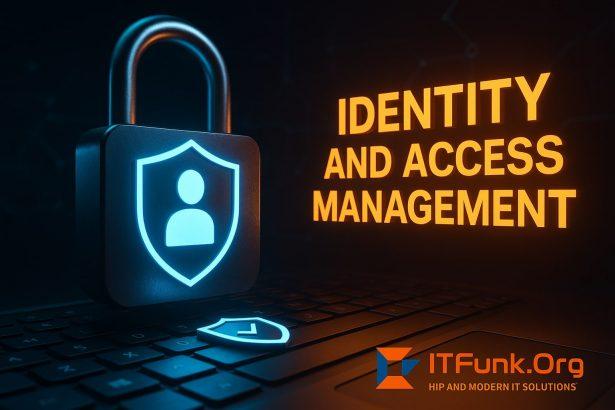
IAM (Identity and Access Management) in a multi-cloud environment refers to the processes, policies, and technologies used to manage user identities and control access across multiple cloud providers.
Instead of managing separate identity systems for each platform, businesses aim to:
- Centralize identity control
- Enforce consistent access policies
- Reduce security gaps between cloud providers
Why Multi-Cloud IAM Matters for Businesses
1. Increased Attack Surface
Each cloud platform introduces its own:
- User roles
- Permissions models
- Authentication mechanisms
Without proper IAM, attackers can exploit inconsistencies between systems.
2. Compliance Requirements
Regulations such as GDPR, HIPAA, and ISO standards require strict control over:
- Who accesses data
- When and how access is granted
Multi-cloud IAM helps enforce these controls consistently.
3. Operational Complexity
Managing separate IAM systems leads to:
- Human error
- Misconfigured permissions
- Shadow IT risks
A unified IAM approach reduces these issues significantly.
Key Components of Multi-Cloud IAM
1. Centralized Identity Provider (IdP)
A centralized IdP allows users to authenticate once and access multiple systems.
Popular solutions include:
- Okta
- Microsoft Entra ID
- Ping Identity
Benefits:
- Single Sign-On (SSO)
- Reduced password fatigue
- Improved user experience
2. Single Sign-On (SSO)
SSO enables users to log in once and access all cloud platforms securely.
Example:
An employee logs in via Okta and gains access to AWS, Azure, and Google Cloud without re-authenticating.
3. Multi-Factor Authentication (MFA)
MFA adds an extra layer of security by requiring:
- Password + mobile verification
- Biometric authentication
This significantly reduces the risk of credential theft.
4. Role-Based Access Control (RBAC)
RBAC ensures users only have access to what they need.
Principle of Least Privilege (PoLP):
- Employees get minimal required permissions
- Limits damage if credentials are compromised
5. Identity Federation
Identity federation allows different systems to trust a central identity provider.
Common protocols:
- SAML (Security Assertion Markup Language)
- OAuth 2.0
- OpenID Connect
Common Challenges in Multi-Cloud IAM
1. Inconsistent Policies Across Clouds
Each provider has unique IAM structures:
- AWS uses IAM roles and policies
- Azure uses role assignments
- GCP uses IAM bindings
This inconsistency creates gaps in enforcement.
2. Identity Sprawl
Multiple identities across platforms can lead to:
- Duplicate accounts
- Orphaned users
- Increased attack vectors
3. Misconfigurations
According to recent studies, misconfigurations are one of the leading causes of cloud breaches.
Examples include:
- Overly permissive roles
- Publicly exposed resources
- Weak authentication settings
4. Lack of Visibility
Without centralized monitoring, businesses struggle to answer:
- Who accessed what?
- When did access occur?
- Was it authorized?
Best Practices for IAM in Multi-Cloud Environments
1. Implement a Zero Trust Model
Never trust, always verify:
- Require authentication for every request
- Continuously validate user identity
2. Centralize Identity Management
Use a single IdP to manage:
- Authentication
- Authorization
- User lifecycle
3. Enforce Strong Authentication
- Enable MFA for all users
- Use passwordless authentication where possible
4. Apply Least Privilege Access
Regularly audit permissions and:
- Remove unnecessary access
- Limit admin privileges
5. Automate IAM Processes
Automation reduces human error:
- Auto-provisioning users
- Auto-deprovisioning inactive accounts
- Policy enforcement scripts
6. Continuous Monitoring and Auditing
Use security tools to:
- Detect anomalies
- Monitor login behavior
- Generate compliance reports
How Malware Threats Intersect with IAM
Even with strong IAM policies, compromised endpoints can bypass security controls.
For example:
- Malware steals credentials
- Keyloggers capture login data
- Session hijacking bypasses MFA
This is why endpoint protection is critical.
👉 Businesses should deploy advanced anti-malware solutions like SpyHunter, which offers a multi-license feature ideal for protecting multiple endpoints across teams and departments.
Secure your organization here!
Real-World Example
Imagine a mid-sized company using:
- AWS for infrastructure
- Azure for identity
- Google Cloud for analytics
Without centralized IAM:
- Employees have 3 separate logins
- Permissions are inconsistent
- Offboarding becomes risky
With proper multi-cloud IAM:
- One login (SSO)
- Unified policies
- Automated access control
Result: Stronger security + lower operational overhead
Future Trends in Multi-Cloud IAM
1. AI-Driven Identity Security
Machine learning helps detect:
- Unusual login patterns
- Behavioral anomalies
- Insider threats
2. Identity as the New Security Perimeter
As networks dissolve, identity becomes the primary control point.
3. Passwordless Authentication
Technologies like biometrics and hardware tokens are replacing passwords.
Conclusion
IAM for multi-cloud environments is no longer optional—it’s a critical component of modern business cybersecurity.
By centralizing identity management, enforcing least privilege, and adopting strong authentication practices, businesses can significantly reduce their risk of breaches.
However, IAM alone isn’t enough. Endpoint security plays a crucial role in preventing credential theft and unauthorized access.
👉 Strengthen your defense with SpyHunter’s multi-license solution, designed to protect multiple devices across your organization.
Cybersecurity for Business
Your business faces constantly evolving cyber threats that can jeopardize sensitive data, disrupt operations, and damage your reputation. Our cybersecurity for business solutions are tailored to meet the unique challenges of companies of all sizes, providing robust protection against malware, phishing, ransomware, and more.
Whether you’re a small startup or a large enterprise, we offer multi-license cybersecurity packages that ensure seamless protection for your entire team, across all devices. With advanced features like real-time threat monitoring, endpoint security, and secure data encryption, you can focus on growing your business while we handle your digital security needs.
Get a Free Quote Today! Safeguard your business with affordable and scalable solutions. Contact us now to request a free quote for multi-license cybersecurity packages designed to keep your company safe and compliant. Don’t wait—protect your business before threats strike!