


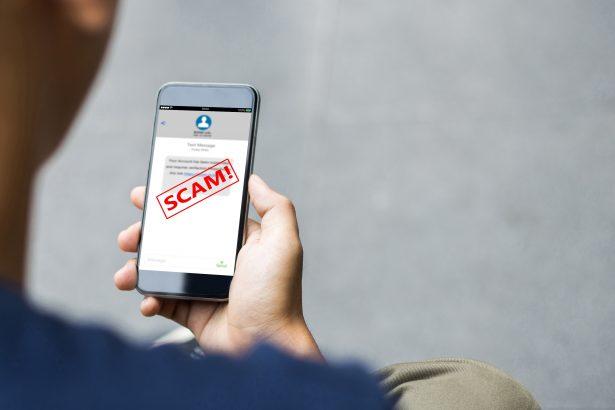
Fake delivery notifications used to steal personal data and payment details
The UPS Ground Text Scam is a deceptive SMS phishing campaign designed to look like an official delivery update. It targets everyday users who are expecting packages, using urgency and fear of missed deliveries to push quick action. The message typically claims there is an issue with a shipment and asks the recipient to click a link to reschedule or confirm delivery details.
Once the victim clicks the link, they are redirected to a fake website that closely resembles a legitimate courier tracking page. From there, scammers attempt to collect personal information, credit card data, or even trick users into installing unwanted software. The simplicity of the scam is what makes it effective—it relies on timing, trust, and routine online shopping behavior.
🧾 UPS Ground Text Scam – Quick Overview
| Category | Details |
|---|---|
| Threat Type | SMS Phishing (Smishing), Fake Delivery Scam |
| Associated Email | Not applicable (SMS-based attack) |
| Detection Names | Phishing SMS Scam, Fake UPS Alert, Smishing Redirect Threat |
| Symptoms | Unexpected delivery texts, urgent tracking links, fake payment requests |
| Damage & Distribution | Identity theft, stolen banking details, malware exposure, financial loss |
| Danger Level | 🔴 High |
| Removal Tool | SpyHunter |
How UPS Ground Text Scam Tricks Users
The UPS Ground Text Scam is engineered around urgency. The message often appears at times when users are most likely to expect deliveries—during holidays, online shopping sales, or after recent purchases.
The text usually claims that a package cannot be delivered due to issues such as an incomplete address, missed delivery attempt, or required confirmation. It then instructs the recipient to click a link to resolve the issue immediately.
Once clicked, the user is taken to a counterfeit website that mimics official delivery tracking pages. These pages are designed to look convincing, using branding, logos, and fake tracking numbers. The goal is to make users believe they are dealing with a real courier service.
On the fake page, victims are typically asked to:
- Confirm personal details such as name, address, and phone number
- Enter payment information for “re-delivery fees” or customs charges
- Verify identity using sensitive information like email or card details
Some variations of the scam also trigger automatic downloads or request browser notification permissions. Once granted, users may begin receiving persistent pop-ups and additional phishing messages.
The scam relies heavily on psychological pressure. Phrases like “final notice,” “urgent action required,” or “your package will be returned” are used to push victims into acting quickly without verifying authenticity.
Full Text of the UPS Ground Text Scam Message
The UPS Ground Text Scam typically follows a predictable format, although wording may vary slightly. A common example looks like this:
“UPS Ground Alert: Your package delivery has been temporarily suspended due to an incomplete address. Please confirm your details here: [malicious link] or your package will be returned.”
Other versions may include:
“We attempted delivery but no one was available. Schedule a redelivery using the link below.”
Or:
“Important: A small shipping fee is required to release your package. Complete payment here to avoid delays.”
These messages are intentionally vague. They do not include specific tracking numbers or verifiable shipment details, which is a key warning sign. Instead, they rely on urgency and fear of losing a package to encourage immediate action.
Scammers often rotate domains and URLs, making it difficult to block all variations. The websites themselves may only exist for a short period before being taken down and replaced with new ones.
What Happens If You Fall for UPS Ground Text Scam
Interacting with the UPS Ground Text Scam can lead to multiple levels of risk depending on how much information is provided.
🔓 Personal Data Theft
If you enter your name, address, or phone number, scammers can use this information for identity fraud or sell it on underground marketplaces. Even partial data can be enough to build targeted scams later.
💳 Financial Loss
The most dangerous outcome occurs when users enter payment details. The scam may process small unauthorized charges first to test the card, followed by larger transactions or recurring fraud.
📱 Device Exploitation
Some scam pages attempt to install malicious files or trick users into enabling browser notifications. Once enabled, the device can become flooded with spam messages, fake alerts, and additional phishing attempts.
🔁 Long-Term Targeting
Victims who engage with the scam may be flagged as “responsive users,” meaning their contact information is shared among other scam networks. This often leads to an increase in spam texts, calls, and emails.
The overall impact extends beyond immediate financial loss. Users may also experience compromised accounts, unauthorized subscriptions, and ongoing privacy risks.
How to Protect Yourself From UPS Ground Text Scam
Avoiding the UPS Ground Text Scam comes down to verification habits:
- Never click links in unexpected delivery messages
- Always check shipment status directly through official courier apps or websites
- Ignore requests for payment via SMS links
- Be cautious of urgent or threatening language in texts
- Block and report suspicious numbers immediately
If you already interacted with the scam:
- Contact your bank or card provider immediately
- Monitor accounts for unauthorized activity
- Change passwords for any related accounts
- Enable two-factor authentication wherever possible
Security tools can also help detect unwanted changes on your device if any suspicious downloads or permissions were triggered.
Conclusion
The UPS Ground Text Scam is a widespread smishing attack that continues to evolve alongside online shopping trends. It succeeds because it blends convenience with urgency, making fake delivery alerts seem believable at first glance. However, legitimate courier services do not request sensitive information or payments through unsolicited text links.
The safest approach is simple: never trust delivery updates that require immediate action through unknown links. Always verify directly through official channels, and treat unexpected messages with caution. A few seconds of verification can prevent serious financial and privacy damage.