


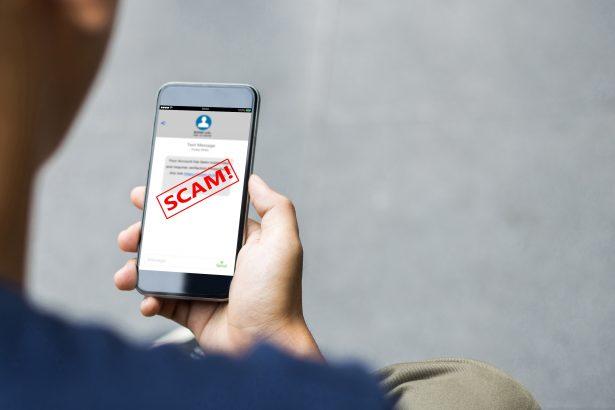
The Binance Text Message Scam starts with a seemingly urgent SMS—often marked as from “BINANCE”—that warns of suspicious login activity or wallet connections. It’s crafted to trigger panic, pushing you to act on impulse. These messages typically nudge you to call a phone number or tap a link, but it’s all a trap to steal your credentials or funds.
Threat Overview
| Category | Details |
|---|---|
| Threat Type | SMS phishing (smishing) impersonating Binance |
| Associated Email/SMS | Spoofed sender ID like “BINANCE”, includes reference codes |
| Detection Names | Binance Text Scam |
| Symptoms | Urgent claims of unauthorized access, wallet setup alerts |
| Damage & Distribution | Credential theft, remote access, fake support calls, fund loss |
| Danger Level | High – preys on urgency and trust |
| Removal Tool | SpyHunter |
How the Binance Text Scam Tricks You
The scam begins with SMS spoofing—fraudsters manipulate your phone to display the message as coming from “BINANCE,” mimicking previous legitimate messages. That gives it an uncanny legitimacy and bypasses fleeting suspicion from users.
The message usually claims there’s a security issue—like a new device login or wallet connection—and urges immediate action via a phone number or link. A “reference number” adds a veneer of authenticity.
In some cases, scammers even trigger a legitimate password reset to bolster the illusion that they represent Binance. They’ll say your account is at risk and must call or click now.
Why You Should Be Worried
Victims have reported these messages showing up in the exact same SMS thread as real Binance alerts—making them extraordinarily convincing. That’s because of SMS spoofing tactics that piggyback on your contact list and messaging history.
There are documented cases where users were duped into transferring their cryptocurrency to scammer-controlled wallets. The scammers often claim to “secure” the funds or move them to a safe location—but instead, they siphon everything off.
Fraudsters also rely on leaked or stolen data—like phone numbers or KYC details—to personalize messages, increasing the likelihood that recipients trust the message.
What Makes This Scam Especially Dangerous
These messages bypass many basic safeguards:
- They don’t trigger phishing detection since they often prompt calls, not broken links.
- The urgency tactic forces quick reactions—most people call without verifying.
- The spoofing of familiar numbers or sender IDs lowers guard rapidly.
What to Do If You Get Such a Message
- Don’t respond or call the number. Binance will never ask you to call or click through text.
- Verify via official channels. Use the Binance app or website directly—not links or phone numbers in SMSs.
- Set up an anti‑phishing code. Binance offers an 8‑character code that appears in every legitimate message. Missing it is a red flag.
- Change your Binance password. If you clicked or responded, reset it immediately using a trusted device and enable 2FA.
- Uninstall any remote access tools. If you granted access through AnyDesk or TeamViewer, remove them and run a full malware scan.
- Report the scam to Binance—even through the official site—and ask for help.
- Report to local law enforcement or cybercrime bodies. Use local reporting services with the reference number you received.
- Spread the word. Warn others—scammers depend on fear and secrecy to succeed.
Conclusion
The Binance Text Message Scam is a high-stakes bait-and-switch that relies on urgency, spoofing, and trust manipulation. Always double-check any message that seems official—especially if it demands action outside Binance’s official channels. Trust your instincts: when in doubt, go straight to the Binance app or website, not your SMS inbox.