

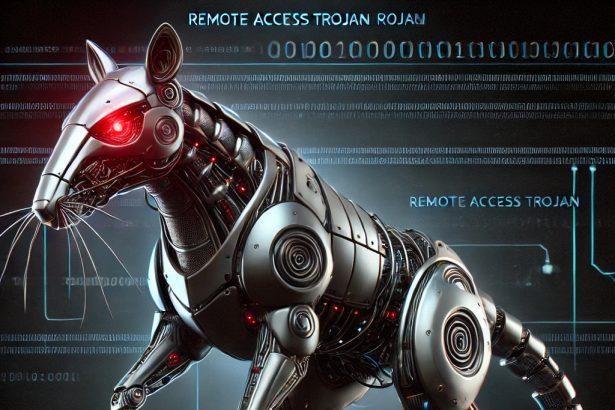
ZeroDayRAT is a powerful Android remote access Trojan (RAT) that gives attackers full control over infected devices, enabling surveillance, credential theft, and financial fraud.
ZeroDayRAT isn’t just another malicious app. It’s a full-featured mobile spyware toolkit designed to hijack Android devices and turn them into remote-controlled surveillance tools. Once installed, it can spy on communications, steal login credentials, monitor financial apps, and even activate your camera and microphone without your knowledge.
If you suspect your device has been compromised, act quickly.
ZeroDayRAT Android Threat Summary
| Feature | Details |
|---|---|
| Threat Type | Android Remote Access Trojan (RAT) |
| Detection Names | Android/Spy.ZeroDayRAT, Trojan.Android.ZeroDayRAT, Android.RAT.Generic |
| Symptoms | Battery drain, overheating, unusual data usage, unknown apps installed, suspicious pop-ups |
| Damage & Distribution | Credential theft, SMS interception, financial fraud, camera/microphone spying; spread via smishing, phishing links, malicious APKs, third-party app stores |
| Danger Level | High |
| SpyHunter Removal Tool | https://www.enigmasoftware.com/products/spyhunter/?ref=ywuxmtf |
How ZeroDayRAT Gets Installed on Android
ZeroDayRAT does not rely on advanced zero-day exploits. Instead, it spreads through deception.
Attackers typically distribute it via:
- SMS phishing messages posing as delivery services or banks
- Fake updates or urgent security alerts
- Malicious APK downloads hosted on unofficial websites
- Links shared through messaging apps or social media
- Third-party app stores offering modified or pirated apps
Once a user installs the malicious APK and grants permissions, the malware immediately begins communicating with a command-and-control server. From there, attackers can issue commands remotely.
This infection chain depends on social engineering. If the user installs the app and approves permissions, the device is exposed.
What ZeroDayRAT Does on Your Phone
After installation, ZeroDayRAT collects extensive device and user data. Its capabilities typically include:
- Reading SMS messages and intercepting one-time passwords (OTP)
- Logging keystrokes and monitoring user activity
- Stealing contact lists and call logs
- Accessing stored files and media
- Monitoring installed financial and cryptocurrency apps
- Manipulating clipboard data to redirect crypto transactions
- Activating the microphone for live audio recording
- Activating the camera for surveillance
- Tracking device location in real time
This makes ZeroDayRAT particularly dangerous for users who rely on mobile banking, digital wallets, or SMS-based two-factor authentication.
Infected devices essentially become remote-controlled spying tools.
Should You Factory Reset After ZeroDayRAT?
In many cases, yes.
Because ZeroDayRAT operates with elevated permissions, simple app removal may not fully eliminate it. If you notice continued suspicious behavior after uninstalling unknown apps, a full factory reset is often the safest option.
Before resetting:
- Back up essential files (avoid backing up apps or suspicious APKs).
- Change passwords for banking, email, and crypto accounts from a clean device.
- Enable stronger authentication methods where possible.
After resetting:
- Install apps only from the official Google Play Store.
- Disable “Install unknown apps” permissions.
- Keep Android updated.
- Use a reputable mobile security tool to scan the device.
If financial information was exposed, contact your bank immediately and monitor accounts for unauthorized transactions.
General Signs Your Android Device Has Malware
- Unusual battery drain
- Sluggish performance or overheating
- Annoying pop-up ads—even when not using a browser
- Unauthorized app installs or unfamiliar apps
- Unexpected spikes in data usage
- Redirects when browsing or locked browser tabs
- Sudden crashes or reboots
- Disabled antivirus or security settings
How to Check for Malware by Device Type
Android Phones & Tablets
Step 1: Boot into Safe Mode
- Hold the Power button until the power menu appears
- Long-press Power off, then tap Reboot to safe mode
- This disables third-party apps temporarily
Step 2: Check App List
- Go to Settings > Apps > See all apps
- Look for:
- Apps you didn’t install
- Apps with generic names (e.g., “Update Service” or “Security Tool”)
- Apps with excessive permissions
Step 3: Use Google Play Protect
- Open Google Play Store
- Tap your profile icon > Play Protect
- Tap Scan
Android TV Devices
Step 1: Check Installed Apps
- Go to Settings > Apps
- Look for unrecognized or recently installed apps
Step 2: Review Sideloaded APKs
- Use a file manager (e.g., X-plore File Manager) to inspect sideloaded apps
- Avoid APKs from sources other than APKMirror or Google Play
Step 3: Scan Using Sideloaded Antivirus
You can install:
- Malwarebytes
- Bitdefender
Use APKMirror to sideload if unavailable in Play Store
Step 4: Factory Reset if Infected
- Go to Settings > Device Preferences > Reset > Factory data reset
Android Emulators (e.g., BlueStacks, NoxPlayer, LDPlayer)
Step 1: Check Installed Apps
- Open emulator > Settings > Apps
- Remove unknown apps or those not installed via Play Store
Step 2: Install Antivirus Inside the Emulator
- Use Google Play in the emulator to install:
- ESET Mobile Security
- Malwarebytes
Step 3: Monitor Network Activity
- On PC: Use tools like Wireshark or GlassWire
- Or install a firewall app within the emulator
Step 4: Reset or Reinstall Emulator
- Reset to a clean snapshot or uninstall and reinstall the emulator
Section 3: Manual Removal Steps (All Devices)
1. Remove Suspicious Apps Manually
- Go to Settings > Apps > [App] > Uninstall
- If app is a device admin:
- Settings > Security > Device admin apps
- Disable admin rights, then uninstall
2. Clear App Data and Cache
- Settings > Storage > Cached data
- Settings > Apps > [App] > Storage > Clear Data & Cache
3. Revoke Dangerous Permissions
- Settings > Privacy > Permission Manager
- Revoke camera, SMS, and location access from unfamiliar apps
4. Check Accessibility & Admin Settings
- Settings > Accessibility > Installed Services
- Settings > Security > Device admin apps
Section 4: Preventing Future Malware Infections
- Avoid third-party app stores unless trusted (e.g., F-Droid, APKMirror)
- Enable Google Play Protect
- Keep system and apps up to date
- Use a VPN on public Wi-Fi
- Do not click unknown links in texts or emails
- Review app permissions before installation
- Enable Two-Factor Authentication (2FA) when available
Section 5: When to Perform a Factory Reset
Do this if:
- A malicious app cannot be removed
- Malware persists after antivirus scans
- Device performance is severely affected
How to Factory Reset:
- Settings > System > Reset > Factory data reset
- Back up important data before proceeding
Summary Checklist
| Action | Device Type | Tools/Notes |
|---|---|---|
| Safe Mode | Phones/Tablets | Isolate third-party apps |
| App Audit | All | Settings > Apps |
| Antivirus Scan | All | Malwarebytes, Bitdefender |
| Factory Reset | All | Last resort step |
| Emulator Cleanup | Emulators | Reset or reinstall software |
| App Permission Review | All | Revoke unnecessary access |
Bonus Tip: Use a Security Suite
For ongoing protection, consider installing a comprehensive mobile security suite that includes:
- Real-time scanning
- Anti-phishing tools
- VPN
- Call and SMS blocking
- App lock features
Conclusion
ZeroDayRAT is not a minor mobile nuisance. It’s a full remote access Trojan designed for surveillance, credential theft, and financial exploitation. It spreads through social engineering rather than technical exploits, meaning awareness and cautious behavior are your first line of defense.
If your Android device shows signs of compromise, remove suspicious apps immediately, scan with trusted security software, and consider a factory reset. The longer it stays active, the greater the risk to your privacy and finances.