

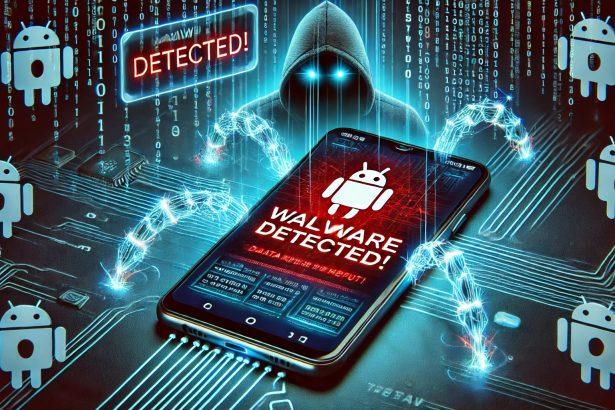
Massiv is a dangerous Android banking trojan that disguises itself as a legitimate IPTV streaming application.Once installed, it quietly gains elevated permissions and begins harvesting sensitive financial information such as banking credentials, authentication codes, and personal data. The malware can even stream your screen and remotely control the device, allowing attackers to carry out fraudulent transactions in real time.
This type of threat is particularly dangerous because victims often believe they installed a harmless streaming app while the malicious payload operates silently in the background.
Massiv Android Trojan Summary
| Category | Details |
|---|---|
| Threat Type | Android Banking Trojan |
| Detection Names | Trojan-Banker.AndroidOS.Massiv, Android/Banker.Massiv, Android.Trojan.Banker |
| Symptoms | Unknown apps installed, suspicious permissions requested, banking logins compromised, unusual SMS activity |
| Damage & Distribution | Steals banking credentials, intercepts SMS codes, remote device control; spread via fake IPTV apps or phishing links |
| Danger Level | High |
| SpyHunter Removal Tool | https://www.enigmasoftware.com/products/spyhunter/?ref=ywuxmtf |
How Massiv Gets Installed on Android
Massiv spreads primarily through social engineering campaigns that trick users into installing malicious APK files.
The most common infection method involves fake IPTV apps. Victims searching for free streaming services are directed to download an APK from a third-party site. The application appears legitimate but secretly acts as a dropper for the Massiv malware.
After installation, the app may show a basic streaming interface or open a webpage to maintain the illusion that it works normally. Meanwhile, the malware runs in the background and requests critical permissions such as:
- Accessibility Service access
- SMS management permissions
- Ability to install unknown applications
- Screen capture permissions
Once these permissions are granted, the attacker gains deep access to the device.
Other infection sources may include:
- SMS phishing messages with malicious download links
- Fake update prompts inside suspicious apps
- APK downloads from unofficial app stores
What Massiv Does on Your Phone
After gaining system permissions, Massiv turns an infected phone into a financial data harvesting platform.
Overlay Attacks
The malware displays fake login screens over legitimate banking or government apps. When a victim enters credentials, those details are sent directly to the attackers.
Keylogging
Massiv captures keystrokes using Android accessibility features, recording passwords, PIN codes, and other sensitive input.
SMS Interception
The trojan reads and intercepts SMS messages, allowing attackers to capture two-factor authentication codes used by banking systems.
Remote Device Control
Using Android screen-capture capabilities, the malware can stream the victim’s screen and allow criminals to control the device remotely.
This enables attackers to:
- Perform fraudulent bank transfers
- Access financial apps directly
- Create new accounts in the victim’s name
- Launder stolen money through compromised identities
Should You Factory Reset After Massiv?
In many cases, yes — a factory reset is the safest way to remove Massiv.
Banking trojans frequently abuse system permissions and persistence mechanisms to survive normal uninstall attempts. Because Massiv heavily relies on accessibility privileges and remote-control capabilities, simply deleting the visible app may not fully remove the infection.
Recommended steps:
- Disconnect the phone from the internet.
- Back up essential data only (avoid backing up apps).
- Boot the device in Safe Mode.
- Remove suspicious apps and revoke administrator privileges.
- Perform a full factory reset if the infection persists.
- Immediately change passwords for banking and financial services.
- Notify your bank if unauthorized activity occurred.
Also review installed apps carefully and avoid restoring suspicious APK files after the reset.
General Signs Your Android Device Has Malware
- Unusual battery drain
- Sluggish performance or overheating
- Annoying pop-up ads—even when not using a browser
- Unauthorized app installs or unfamiliar apps
- Unexpected spikes in data usage
- Redirects when browsing or locked browser tabs
- Sudden crashes or reboots
- Disabled antivirus or security settings
How to Check for Malware by Device Type
Android Phones & Tablets
Step 1: Boot into Safe Mode
- Hold the Power button until the power menu appears
- Long-press Power off, then tap Reboot to safe mode
- This disables third-party apps temporarily
Step 2: Check App List
- Go to Settings > Apps > See all apps
- Look for:
- Apps you didn’t install
- Apps with generic names (e.g., “Update Service” or “Security Tool”)
- Apps with excessive permissions
Step 3: Use Google Play Protect
- Open Google Play Store
- Tap your profile icon > Play Protect
- Tap Scan
Android TV Devices
Step 1: Check Installed Apps
- Go to Settings > Apps
- Look for unrecognized or recently installed apps
Step 2: Review Sideloaded APKs
- Use a file manager (e.g., X-plore File Manager) to inspect sideloaded apps
- Avoid APKs from sources other than APKMirror or Google Play
Step 3: Scan Using Sideloaded Antivirus
You can install:
- Malwarebytes
- Bitdefender
Use APKMirror to sideload if unavailable in Play Store
Step 4: Factory Reset if Infected
- Go to Settings > Device Preferences > Reset > Factory data reset
Android Emulators (e.g., BlueStacks, NoxPlayer, LDPlayer)
Step 1: Check Installed Apps
- Open emulator > Settings > Apps
- Remove unknown apps or those not installed via Play Store
Step 2: Install Antivirus Inside the Emulator
- Use Google Play in the emulator to install:
- ESET Mobile Security
- Malwarebytes
Step 3: Monitor Network Activity
- On PC: Use tools like Wireshark or GlassWire
- Or install a firewall app within the emulator
Step 4: Reset or Reinstall Emulator
- Reset to a clean snapshot or uninstall and reinstall the emulator
Section 3: Manual Removal Steps (All Devices)
1. Remove Suspicious Apps Manually
- Go to Settings > Apps > [App] > Uninstall
- If app is a device admin:
- Settings > Security > Device admin apps
- Disable admin rights, then uninstall
2. Clear App Data and Cache
- Settings > Storage > Cached data
- Settings > Apps > [App] > Storage > Clear Data & Cache
3. Revoke Dangerous Permissions
- Settings > Privacy > Permission Manager
- Revoke camera, SMS, and location access from unfamiliar apps
4. Check Accessibility & Admin Settings
- Settings > Accessibility > Installed Services
- Settings > Security > Device admin apps
Section 4: Preventing Future Malware Infections
- Avoid third-party app stores unless trusted (e.g., F-Droid, APKMirror)
- Enable Google Play Protect
- Keep system and apps up to date
- Use a VPN on public Wi-Fi
- Do not click unknown links in texts or emails
- Review app permissions before installation
- Enable Two-Factor Authentication (2FA) when available
Section 5: When to Perform a Factory Reset
Do this if:
- A malicious app cannot be removed
- Malware persists after antivirus scans
- Device performance is severely affected
How to Factory Reset:
- Settings > System > Reset > Factory data reset
- Back up important data before proceeding
Summary Checklist
| Action | Device Type | Tools/Notes |
|---|---|---|
| Safe Mode | Phones/Tablets | Isolate third-party apps |
| App Audit | All | Settings > Apps |
| Antivirus Scan | All | Malwarebytes, Bitdefender |
| Factory Reset | All | Last resort step |
| Emulator Cleanup | Emulators | Reset or reinstall software |
| App Permission Review | All | Revoke unnecessary access |
Bonus Tip: Use a Security Suite
For ongoing protection, consider installing a comprehensive mobile security suite that includes:
- Real-time scanning
- Anti-phishing tools
- VPN
- Call and SMS blocking
- App lock features
Conclusion
Massiv is a modern Android banking trojan designed for full financial account takeover. By masquerading as an IPTV application, it exploits users searching for free streaming apps and then leverages Android accessibility features to steal credentials, intercept SMS codes, and remotely control infected devices.
Because this malware directly targets banking activity and identity verification systems, the financial impact can be severe. The safest approach is to remove suspicious applications immediately, reset the device if necessary, and avoid installing apps from unofficial sources.