







www.itfunk.orgwww.itfunk.orgwww.itfunk.org
  • Home
  • Tech News
    Tech NewsShow More
    Zero Trust: How a Security Idea Became a Blueprint
    41 Min Read
    Cybersecurity Law Expiration Could Unleash New Ransomware Surge – Former FBI Official Sounds the Alarm
    8 Min Read
    Under the Hood of Microsoft’s May 2025 Patch Tuesday: The CLFS and WinSock Problem Microsoft Can’t Seem to Fix
    7 Min Read
    The Hidden Sabotage: How Malicious Go Modules Quietly Crashed Linux Systems
    6 Min Read
    Agentic AI: The Next Frontier in Cybersecurity Defense and Risk​
    5 Min Read
  • Cyber Threats
    • Malware
    • Ransomware
    • Trojans
    • Adware
    • Browser Hijackers
    • Mac Malware
    • Android Threats
    • iPhone Threats
    • Potentially Unwanted Programs (PUPs)
    • Online Scams
    • Microsoft CVE Vulnerabilities
  • How To Guides
    How To GuidesShow More
    Tasksche.exe Malware
    Nviqri Someq Utils Unwanted Application
    4 Min Read
    How to Deal With Rbx.fund Scam
    4 Min Read
    How to Jailbreak DeepSeek: Unlocking AI Without Restrictions
    4 Min Read
    Why Streaming Services Geo-Restrict Content?
    10 Min Read
  • Product Reviews
    • Hardware
    • Software
  • IT/Cybersecurity Best Practices
    IT/Cybersecurity Best PracticesShow More
    Zero Trust: How a Security Idea Became a Blueprint
    41 Min Read
    Under the Hood of Microsoft’s May 2025 Patch Tuesday: The CLFS and WinSock Problem Microsoft Can’t Seem to Fix
    7 Min Read
    Affordable Endpoint Protection Platforms (EPP) for Small Businesses
    5 Min Read
    Outlaw Malware: A Persistent Threat Exploiting Linux Servers
    4 Min Read
    CVE-2024-48248: Critical NAKIVO Backup & Replication Flaw Actively Exploited—Patch Immediately
    6 Min Read
  • FREE SCAN
  • Cybersecurity for Business
Search
  • ABOUT US
  • TERMS AND SERVICES
  • SITEMAP
  • CONTACT US
© 2023 ITFunk.org. All Rights Reserved.
Reading: “Account Department” Scam: Understanding Phishing Scams and Protecting Your Systems
Share
Notification Show More
Font ResizerAa
www.itfunk.orgwww.itfunk.org
Font ResizerAa
  • Tech News
  • How To Guides
  • Cyber Threats
  • Product Reviews
  • Cybersecurity for Business
  • Free Scan
Search
  • Home
  • Tech News
  • Cyber Threats
    • Malware
    • Ransomware
    • Trojans
    • Adware
    • Browser Hijackers
    • Mac Malware
    • Android Threats
    • iPhone Threats
    • Potentially Unwanted Programs (PUPs)
    • Online Scams
  • How To Guides
  • Product Reviews
    • Hardware
    • Software
  • IT/Cybersecurity Best Practices
  • Cybersecurity for Business
  • FREE SCAN
Follow US
  • ABOUT US
  • TERMS AND SERVICES
  • SITEMAP
  • CONTACT US
© 2023 ITFunk.org All Rights Reserved.
www.itfunk.org > Blog > Cyber Threats > Malware > “Account Department” Scam: Understanding Phishing Scams and Protecting Your Systems
IT/Cybersecurity Best PracticesMalwareOnline Scams

“Account Department” Scam: Understanding Phishing Scams and Protecting Your Systems

itfunk_admin
Last updated: July 25, 2024 9:21 pm
itfunk_admin
Share
phishing email
"Account Department" Scam: Understanding Phishing Scams and Protecting Your Systems
SHARE
Scan Your Computer for Free

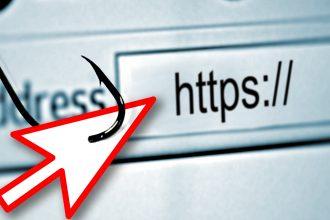
Phishing scams have become increasingly prevalent in today’s digital landscape, posing significant threats to individuals and organizations alike. These scams typically involve fraudulent attempts to obtain sensitive information by masquerading as trustworthy entities. In this article, we will delve into the nature of phishing scams, the dangers they present, and provide a detailed examination of a specific phishing threat as described in the reference article. Additionally, we will offer comprehensive instructions for removing any malware associated with such scams and provide preventative measures to avoid falling victim in the future.

Contents
Introduction to Phishing ScamsHow Phishing Scams Infiltrate SystemsThe Account Department Email ScamCommon Encounters and Similar ThreatsComprehensive Removal GuidePreventative MeasuresConclusion

Introduction to Phishing Scams

Phishing scams are deceptive attempts by cybercriminals to trick individuals into divulging personal information such as passwords, credit card numbers, and other confidential data. These scams often appear in the form of emails, text messages, or fake websites that mimic legitimate sources. The general purpose of phishing scams is to steal sensitive information for financial gain, identity theft, or unauthorized access to secure systems.

How Phishing Scams Infiltrate Systems

Phishing scams typically infiltrate systems through:

  1. Email: Cybercriminals send emails that appear to be from legitimate companies or institutions. These emails often contain malicious links or attachments.
  2. Text Messages: Similar to email phishing, these messages lure individuals into clicking on harmful links.
  3. Fake Websites: Phishing websites mimic legitimate sites to trick users into entering personal information.

Once a system is infiltrated, the malware can steal data, monitor activities, or even control the infected device. The individual whose system is compromised may face severe consequences, including financial loss, identity theft, and unauthorized access to personal and professional accounts.

The Account Department Email Scam

The Account Department email scam involves emails sent from the address “Account.Department@company.com”. The email claims to be from the recipient’s company or a familiar organization, stating that there is an issue with their account that requires immediate attention.

The email instructs recipients to click on a link or download an attachment to resolve the issue. Following these instructions can lead to malware installation on the user’s device, granting cybercriminals access to sensitive information.

The primary purpose of this scam is to deceive individuals into providing their login credentials or financial information, which can be used for unauthorized transactions or identity theft.

Common Encounters and Similar Threats

Recipients might encounter this scam if they:

  • Work in environments where they regularly interact with account departments.
  • Have recently received legitimate communications from their company’s account department.
  • Are generally unaware of phishing threats.

Other similar threats include:

  • Invoice Scams: Fraudulent emails posing as unpaid invoices.
  • Banking Scams: Emails claiming to be from the recipient’s bank, requesting verification of account details.
  • Tech Support Scams: Emails or calls pretending to be tech support, asking for remote access to the user’s device.

Comprehensive Removal Guide

  1. Disconnect from the Internet: This prevents further communication between the malware and the cybercriminals.
  2. Enter Safe Mode: Restart your computer and press F8 (or appropriate key) to enter Safe Mode. This loads only essential system files, limiting the malware’s functionality.
  3. Use Anti-Malware Software:
    • Download and install a reputable anti-malware tool like SpyHunter.
    • Run a full system scan to detect and remove malicious files.
  4. Manual Removal (Advanced Users):
    • Task Manager: Open Task Manager (Ctrl+Shift+Esc), identify suspicious processes, and end them.
    • Control Panel: Go to Control Panel > Programs and Features, and uninstall any unfamiliar programs.
    • Registry Editor: Open Registry Editor (Win+R, type regedit) and carefully delete entries associated with the malware. Be cautious, as incorrect modifications can harm your system.
  5. Clear Browsing Data: Open your browser and clear cookies, cache, and browsing history to remove any remaining traces of the scam.
  6. Update All Software: Ensure your operating system, browsers, and security software are up to date to protect against vulnerabilities.

Preventative Measures

  1. Educate Yourself and Others: Stay informed about common phishing tactics and educate others in your organization.
  2. Verify the Sender: Always verify the authenticity of emails and messages before clicking on links or downloading attachments.
  3. Use Strong, Unique Passwords: Employ complex passwords and update them regularly. Consider using a password manager.
  4. Enable Multi-Factor Authentication (MFA): MFA adds an extra layer of security to your accounts.
  5. Regular Backups: Regularly back up important data to an external drive or cloud storage to prevent data loss.

We highly recommend using SpyHunter, a robust anti-malware tool, to safeguard your system. Download SpyHunter and run a free scan to detect and remove any threats. Keeping your computer secure is crucial in preventing phishing scams and other cyber threats.

Download SpyHunter Now

Conclusion

Phishing scams are a serious threat in today’s digital world, but with the right knowledge and tools, you can protect yourself and your systems. By following the detailed removal guide and implementing preventative measures, you can minimize the risk of falling victim to these scams.

You Might Also Like

Xmegadrive.com Redirects
Itsfuck.top Adware
Trojan.IcedID.ANJ
Reprucally.co.in Hijacker
“Email Address Verification Formal Notice” Scam
TAGGED:Account Department email scamanti-malware toolcomputer virus removalcybersecurityemail scam removalHow to detect phishingmalware removalonline security tipsphishing email threatsphishing scamprevent phishing attacksProtecting personal dataremove malwareSpyHunterSpyHunter review

Sign Up For Daily Newsletter

Be keep up! Get the latest breaking news delivered straight to your inbox.
By signing up, you agree to our Terms of Use and acknowledge the data practices in our Privacy Policy. You may unsubscribe at any time.
Share This Article
Facebook Copy Link Print
Share
Previous Article Claim Ham Scam: Understanding Phishing Scams, Their Nature, and Prevention
Next Article JunctionSpeedForum.co.in Adware: A Growing Digital Threat
Leave a Comment

Leave a Reply Cancel reply

Your email address will not be published. Required fields are marked *

Scan Your System for Malware

Don’t leave your system unprotected. Download SpyHunter today for free, and scan your device for malware, scams, or any other potential threats. Stay Protected!

Download SpyHunter 5
Download SpyHunter for Mac
✅ Free Scan Available • ⭐ Catches malware instantly
//

Check in Daily for the best technology and Cybersecurity based content on the internet.

Quick Link

  • ABOUT US
  • TERMS AND SERVICES
  • SITEMAP
  • CONTACT US

Support

Sign Up for Our Newesletter

Subscribe to our newsletter to get our newest articles instantly!


www.itfunk.orgwww.itfunk.org
© 2023 www.itfunk.org. All Rights Reserved.
  • ABOUT US
  • TERMS AND SERVICES
  • SITEMAP
  • CONTACT US
Welcome Back!

Sign in to your account

Username or Email Address
Password

Lost your password?