
















www.itfunk.orgwww.itfunk.orgwww.itfunk.org
  • Home
  • Tech News
    Tech NewsShow More
    Zero Trust: How a Security Idea Became a Blueprint
    41 Min Read
    Cybersecurity Law Expiration Could Unleash New Ransomware Surge – Former FBI Official Sounds the Alarm
    8 Min Read
    Under the Hood of Microsoft’s May 2025 Patch Tuesday: The CLFS and WinSock Problem Microsoft Can’t Seem to Fix
    7 Min Read
    The Hidden Sabotage: How Malicious Go Modules Quietly Crashed Linux Systems
    6 Min Read
    Agentic AI: The Next Frontier in Cybersecurity Defense and Risk​
    5 Min Read
  • Cyber Threats
    • Malware
    • Ransomware
    • Trojans
    • Adware
    • Browser Hijackers
    • Mac Malware
    • Android Threats
    • iPhone Threats
    • Potentially Unwanted Programs (PUPs)
    • Online Scams
    • Microsoft CVE Vulnerabilities
  • How To Guides
    How To GuidesShow More
    Tasksche.exe Malware
    Nviqri Someq Utils Unwanted Application
    4 Min Read
    How to Deal With Rbx.fund Scam
    4 Min Read
    How to Jailbreak DeepSeek: Unlocking AI Without Restrictions
    4 Min Read
    Why Streaming Services Geo-Restrict Content?
    10 Min Read
  • Product Reviews
    • Hardware
    • Software
  • IT/Cybersecurity Best Practices
    IT/Cybersecurity Best PracticesShow More
    Zero Trust: How a Security Idea Became a Blueprint
    41 Min Read
    Under the Hood of Microsoft’s May 2025 Patch Tuesday: The CLFS and WinSock Problem Microsoft Can’t Seem to Fix
    7 Min Read
    Affordable Endpoint Protection Platforms (EPP) for Small Businesses
    5 Min Read
    Outlaw Malware: A Persistent Threat Exploiting Linux Servers
    4 Min Read
    CVE-2024-48248: Critical NAKIVO Backup & Replication Flaw Actively Exploited—Patch Immediately
    6 Min Read
  • FREE SCAN
  • Cybersecurity for Business
Search
  • ABOUT US
  • TERMS AND SERVICES
  • SITEMAP
  • CONTACT US
© 2023 ITFunk.org. All Rights Reserved.
Reading: DNS Error Email Scam: A Threat Overview
Share
Notification Show More
Font ResizerAa
www.itfunk.orgwww.itfunk.org
Font ResizerAa
  • Tech News
  • How To Guides
  • Cyber Threats
  • Product Reviews
  • Cybersecurity for Business
  • Free Scan
Search
  • Home
  • Tech News
  • Cyber Threats
    • Malware
    • Ransomware
    • Trojans
    • Adware
    • Browser Hijackers
    • Mac Malware
    • Android Threats
    • iPhone Threats
    • Potentially Unwanted Programs (PUPs)
    • Online Scams
  • How To Guides
  • Product Reviews
    • Hardware
    • Software
  • IT/Cybersecurity Best Practices
  • Cybersecurity for Business
  • FREE SCAN
Follow US
  • ABOUT US
  • TERMS AND SERVICES
  • SITEMAP
  • CONTACT US
© 2023 ITFunk.org All Rights Reserved.
www.itfunk.org > Blog > Cyber Threats > Malware > DNS Error Email Scam: A Threat Overview
IT/Cybersecurity Best PracticesMalwareOnline Scams

DNS Error Email Scam: A Threat Overview

ITFunk Research
Last updated: May 15, 2024 11:03 am
ITFunk Research
Share
phishing email
DNS Error Email Scam: A Threat Overview
SHARE

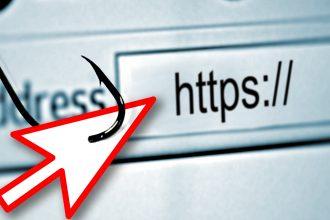
Email scams continue to pose significant risks to users worldwide. One such deceptive tactic that has gained prominence is the DNS Error Email Scam. This scheme operates under the guise of legitimate-looking emails, purporting to be notifications from trusted sources such as internet service providers (ISPs) or domain registrars. However, these emails are cleverly crafted to deceive recipients into taking actions that could compromise their security and privacy.

Contents
Understanding the Actions of the ScamDetection and PreventionRemoval Guide

Understanding the Actions of the Scam

The DNS Error Email Scam typically follows a predictable pattern. Recipients receive an email informing them of purported DNS errors affecting their domain or internet connection. These emails often contain urgent language, compelling users to act swiftly to rectify the supposed issues. To add a veneer of legitimacy, the email may even include logos or branding elements resembling those of legitimate organizations.

Upon closer inspection, users may notice irregularities such as grammatical errors or inconsistencies in the sender’s address. However, in the heat of the moment, many individuals may overlook these red flags, especially if the email triggers a sense of urgency or fear of potential service disruptions.

If unsuspecting recipients fall prey to the DNS Error Email Scam and follow the instructions provided, they may inadvertently expose themselves to various risks. Some common actions urged by these fraudulent emails include clicking on malicious links, downloading attachments containing malware, or divulging sensitive information such as login credentials.

Clicking on embedded links or downloading attachments can lead to the installation of malware on the recipient’s device. This malware may encompass a range of threats, including spyware, ransomware, or keyloggers, each with its own set of detrimental consequences. From data breaches and financial losses to identity theft and system compromise, the ramifications of falling victim to such scams can be severe and far-reaching.

Detection and Prevention

To mitigate the risks posed by DNS Error Email Scams and similar threats, users can employ various detection and prevention measures. Antivirus and antimalware software can help identify and remove malicious software from infected devices. Additionally, users should exercise caution when interacting with unsolicited emails, especially those prompting immediate action or requesting sensitive information.

Regularly updating software and operating systems can also bolster defense mechanisms against evolving cyber threats. Enabling two-factor authentication (2FA) and using strong, unique passwords for online accounts can further fortify security defenses and minimize the likelihood of unauthorized access.

Removal Guide

If you suspect that your device has been compromised by the DNS Error Email Scam or associated malware, follow these steps to remove the threat:

  1. Disconnect from the Internet: Immediately disconnect your device from the internet to prevent further communication with malicious servers.
  2. Enter Safe Mode: Restart your device and boot into Safe Mode to limit the malware’s ability to operate.
  3. Scan for Malware: Use your preferred antivirus or antimalware software to perform a comprehensive scan of your system.
  4. Quarantine or Remove Threats: Follow the software’s prompts to quarantine or remove any detected malware.
  5. Update Security Software: Ensure that your antivirus or antimalware software is up to date to effectively combat emerging threats.
  6. Reset Passwords: If you suspect that your login credentials have been compromised, reset passwords for affected accounts immediately.
  7. Monitor for Suspicious Activity: Regularly monitor your device for any signs of unusual behavior or unauthorized access.

By following these steps and adopting proactive security practices, users can safeguard themselves against the DNS Error Email Scam and other cyber threats.

You Might Also Like

Xmegadrive.com Redirects
Itsfuck.top Adware
Trojan.IcedID.ANJ
Reprucally.co.in Hijacker
“Email Address Verification Formal Notice” Scam
TAGGED:cyber awarenessCyber ThreatCybercrimecybersecurityDetectionDNS Error Email ScamEmail ScamEmail Scamsinternet securityMalwaremalware removalOnline ScamsPhishingPhishing AttacksPhishing Emailsphishing preventionPhishing protectionphishing scamPreventionRemoval Guide

Sign Up For Daily Newsletter

Be keep up! Get the latest breaking news delivered straight to your inbox.
By signing up, you agree to our Terms of Use and acknowledge the data practices in our Privacy Policy. You may unsubscribe at any time.
Share This Article
Facebook Copy Link Print
Share
Previous Article phishing email Credit Agricole Email Scam: How to Identify and Remove this Cyber Threat
Next Article ProgramSource Adware on Mac: Risks, Removal Guide, and Prevention
Leave a Comment

Leave a Reply Cancel reply

Your email address will not be published. Required fields are marked *

Scan Your System for Malware

Don’t leave your system unprotected. Download SpyHunter today for free, and scan your device for malware, scams, or any other potential threats. Stay Protected!

Download SpyHunter 5
Download SpyHunter for Mac
✅ Free Scan Available • ⭐ Catches malware instantly
//

Check in Daily for the best technology and Cybersecurity based content on the internet.

Quick Link

  • ABOUT US
  • TERMS AND SERVICES
  • SITEMAP
  • CONTACT US

Support

Sign Up for Our Newesletter

Subscribe to our newsletter to get our newest articles instantly!


www.itfunk.orgwww.itfunk.org
© 2023 www.itfunk.org. All Rights Reserved.
  • ABOUT US
  • TERMS AND SERVICES
  • SITEMAP
  • CONTACT US
Welcome Back!

Sign in to your account

Username or Email Address
Password

Lost your password?