













www.itfunk.orgwww.itfunk.orgwww.itfunk.org
  • Home
  • Tech News
    Tech NewsShow More
    Zero Trust: How a Security Idea Became a Blueprint
    41 Min Read
    Cybersecurity Law Expiration Could Unleash New Ransomware Surge – Former FBI Official Sounds the Alarm
    8 Min Read
    Under the Hood of Microsoft’s May 2025 Patch Tuesday: The CLFS and WinSock Problem Microsoft Can’t Seem to Fix
    7 Min Read
    The Hidden Sabotage: How Malicious Go Modules Quietly Crashed Linux Systems
    6 Min Read
    Agentic AI: The Next Frontier in Cybersecurity Defense and Risk​
    5 Min Read
  • Cyber Threats
    • Malware
    • Ransomware
    • Trojans
    • Adware
    • Browser Hijackers
    • Mac Malware
    • Android Threats
    • iPhone Threats
    • Potentially Unwanted Programs (PUPs)
    • Online Scams
    • Microsoft CVE Vulnerabilities
  • How To Guides
    How To GuidesShow More
    Tasksche.exe Malware
    Nviqri Someq Utils Unwanted Application
    4 Min Read
    How to Deal With Rbx.fund Scam
    4 Min Read
    How to Jailbreak DeepSeek: Unlocking AI Without Restrictions
    4 Min Read
    Why Streaming Services Geo-Restrict Content?
    10 Min Read
  • Product Reviews
    • Hardware
    • Software
  • IT/Cybersecurity Best Practices
    IT/Cybersecurity Best PracticesShow More
    Zero Trust: How a Security Idea Became a Blueprint
    41 Min Read
    Under the Hood of Microsoft’s May 2025 Patch Tuesday: The CLFS and WinSock Problem Microsoft Can’t Seem to Fix
    7 Min Read
    Affordable Endpoint Protection Platforms (EPP) for Small Businesses
    5 Min Read
    Outlaw Malware: A Persistent Threat Exploiting Linux Servers
    4 Min Read
    CVE-2024-48248: Critical NAKIVO Backup & Replication Flaw Actively Exploited—Patch Immediately
    6 Min Read
  • FREE SCAN
  • Cybersecurity for Business
Search
  • ABOUT US
  • TERMS AND SERVICES
  • SITEMAP
  • CONTACT US
© 2023 ITFunk.org. All Rights Reserved.
Reading: Wikipedtoday.com: Navigating the Hazards of Malicious Websites
Share
Notification Show More
Font ResizerAa
www.itfunk.orgwww.itfunk.org
Font ResizerAa
  • Tech News
  • How To Guides
  • Cyber Threats
  • Product Reviews
  • Cybersecurity for Business
  • Free Scan
Search
  • Home
  • Tech News
  • Cyber Threats
    • Malware
    • Ransomware
    • Trojans
    • Adware
    • Browser Hijackers
    • Mac Malware
    • Android Threats
    • iPhone Threats
    • Potentially Unwanted Programs (PUPs)
    • Online Scams
  • How To Guides
  • Product Reviews
    • Hardware
    • Software
  • IT/Cybersecurity Best Practices
  • Cybersecurity for Business
  • FREE SCAN
Follow US
  • ABOUT US
  • TERMS AND SERVICES
  • SITEMAP
  • CONTACT US
© 2023 ITFunk.org All Rights Reserved.
www.itfunk.org > Blog > IT/Cybersecurity Best Practices > Wikipedtoday.com: Navigating the Hazards of Malicious Websites
IT/Cybersecurity Best Practices

Wikipedtoday.com: Navigating the Hazards of Malicious Websites

ITFunk Research
Last updated: October 19, 2023 4:05 pm
ITFunk Research
Share
malicious website
SHARE

Amidst the expansive digital realm, a shadowy underbelly thrives where websites like Wikipedtoday.com manifest as deceptive entities. These malicious websites employ cunning tactics designed to ensnare unsuspecting users, luring them into a web of compromise and inconvenience. In this essay, we embark on an exploration of Wikipedtoday.com, an exemplar of treacherous websites, delving into the broader landscape of malicious websites, the perils of encountering Wikipedtoday.com, strategies for avoidance, and how to safeguard your system against future perils.

Contents
Malicious Websites: Lurking DangersWikipedtoday.com: The Deceptive SirenDubious ExtensionsPrivacy InvasionFraudulent IntentionsSteering Clear of Wikipedtoday.com and Ensuring Future SafetyCautious BrowsingSecurity SoftwareRegular UpdatesExtension ScrutinyCybersecurity Best PracticesKeep Software UpdatedUse Reputable Security SoftwareSafe Browsing PracticesBeware of Phishing AttemptsScrutinize URLSUse Strong and Unique PasswordsEnable Two-Factor Authentication (2FA)Regularly Back Up DataBrowse Secure SitesKeep Extensions in CheckEducate YourselfRegularly Scan for MalwareImplement a Strong FirewallConfigure Browser Security SettingsReport Suspicious SitesUse a Secure DNS ServiceStay Informed and Remain VigilantConclusion

Malicious Websites: Lurking Dangers

Malicious websites constitute a diverse category of online entities that operate with sinister intent. Their objectives vary, from distributing malware to perpetrating scams or engaging in identity theft. These sites often exploit deceptive tactics to redirect users to harmful domains, where the consequences can be severe, spanning data theft, privacy invasion, and the compromising of system integrity.

Wikipedtoday.com: The Deceptive Siren

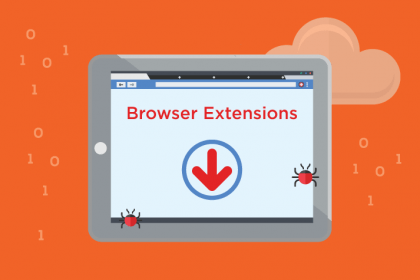
Wikipedtoday.com emerges as a notorious example of a malicious website. It specializes in redirecting users to dubious sites while enticing them into downloading questionable browser extensions. The ramifications of falling prey to these tactics are manifold:

Dubious Extensions

Users, in pursuit of what appears to be benign browser extensions, are ultimately led to extensions that inundate their browsers with unwanted advertisements and, in some cases, tamper with critical browser settings.

Privacy Invasion

Beyond the intrusive advertisements and browser disruptions, these extensions often harbor the capability to collect and exploit user data, leading to the exposure of sensitive and private information.

Fraudulent Intentions

Wikipedtoday.com, among other malicious websites, capitalizes on the allure of convenience and a better online experience. Yet, the extensions they peddle seldom fulfill their promises, making way for various deceptive activities, including privacy violations and the injection of malicious software.

Steering Clear of Wikipedtoday.com and Ensuring Future Safety

To shield your system from the perils posed by Wikipedtoday.com and its ilk, adopt these protective measures:

Cautious Browsing

Exercise unwavering vigilance when traversing the web. Remain skeptical when redirected to unfamiliar sites and cautious when encountering any seemingly beneficial browser extensions.

Security Software

Employ reputable antivirus and anti-malware software to detect and thwart potential threats, including malicious websites like Wikipedtoday.com.

Regular Updates

Keep your operating system, web browsers, and extensions up-to-date to ensure the latest security patches are in place.

Extension Scrutiny

Regularly assess and eliminate unfamiliar or unnecessary browser extensions to maintain browser integrity.

Cybersecurity Best Practices

Dealing with malicious websites like Wikipedtoday.com can be a challenging task, but by following a comprehensive set of best practices, you can safeguard your online experience and protect your digital presence. Here’s a guide to help you navigate the dangers of malicious websites:

Keep Software Updated

Ensure your operating system, web browsers, and security software are up-to-date. Software updates often include patches for known vulnerabilities that can be exploited by malicious websites.

Use Reputable Security Software

Install and regularly update reliable antivirus and anti-malware software to detect and block potential threats from malicious websites.

Safe Browsing Practices

Exercise caution when clicking on links, especially in emails and pop-up ads. Avoid downloading attachments or clicking on links from unknown or suspicious sources.

Beware of Phishing Attempts

Be skeptical of unsolicited emails, especially those requesting personal information or containing links to unfamiliar websites. Verify the sender’s legitimacy before taking any action.

Scrutinize URLS

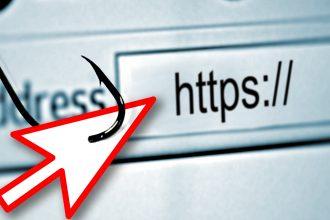
Before visiting a website, carefully examine the URL. Look for misspellings, extra characters, or suspicious domains that might indicate a phishing or malicious site.

Use Strong and Unique Passwords

Maintain robust, unique passwords for your online accounts. Utilize a password manager to generate and store complex passwords for each account.

Enable Two-Factor Authentication (2FA)

Whenever possible, enable 2FA for your online accounts. This additional layer of security helps protect your accounts, even if your password is compromised.

Regularly Back Up Data

Perform regular backups of essential data to minimize data loss in the event of a malware attack or data breach from a malicious website.

Browse Secure Sites

Stick to trusted and well-known websites when shopping, banking, or sharing personal information. Look for the padlock symbol (HTTPS) in your browser’s address bar.

Keep Extensions in Check

Periodically review and remove browser extensions that you no longer use or trust. Some malicious websites disguise themselves as browser extensions.

Educate Yourself

Stay informed about common cybersecurity threats and tactics used by malicious websites. Knowledge is your best defense.

Regularly Scan for Malware

Run full system scans with your antivirus or anti-malware software to detect and remove any malicious software, including browser hijackers.

Implement a Strong Firewall

Enable your computer’s firewall to help block malicious traffic and keep your system safe from online threats.

Configure Browser Security Settings

Take advantage of your browser’s built-in security features, such as pop-up blockers and privacy settings.

Report Suspicious Sites

If you encounter a malicious website, report it to appropriate authorities or organizations that track and combat cyber threats.

Use a Secure DNS Service

Consider using a secure DNS service like OpenDNS or Google’s Public DNS to help protect against malicious websites.

Stay Informed and Remain Vigilant

Cyber threats are ever-evolving. Keep yourself updated on the latest security trends and emerging risks to adapt to new threats effectively.

These cybersecurity practices will serve as your armor against malicious websites like Wikipedtoday.com and reinforce your online defenses. Remember, knowledge is your best ally in the ongoing battle against digital adversaries. Stay safe, stay vigilant, and revel in a secure digital journey.

Conclusion

In the sprawling digital landscape where both opportunity and danger abound, arming yourself with knowledge and protective measures is paramount. Malicious websites like Wikipedtoday.com might seek to exploit your trust and compromise your online security, but by adhering to these best practices, you are poised to navigate the web safely.

In conclusion, the dangers posed by deceptive websites and their malicious extensions are real, but so are your capabilities to thwart them. By remaining vigilant, keeping your software and security tools updated, and practicing safe browsing habits, you empower yourself to guard against cyber threats and enjoy a secure online journey. Cybersecurity is an ongoing endeavor, and by staying informed and proactive, you can keep one step ahead of the shadowy underbelly of the digital world.

Stay Informed! Head to our dedicated section to learn more about the dangers of malicious websites and explore the comprehensive solutions compiled by our experts!

You Might Also Like

Zero Trust: How a Security Idea Became a Blueprint
Under the Hood of Microsoft’s May 2025 Patch Tuesday: The CLFS and WinSock Problem Microsoft Can’t Seem to Fix
Affordable Endpoint Protection Platforms (EPP) for Small Businesses
How to Deal With Coperdayed.com Pop-Ups
How to Remove Hp-quicker
TAGGED:Best PracticesBrowser HijackersHow to guidesMalicious websitesRogue Websitesshady websites

Sign Up For Daily Newsletter

Be keep up! Get the latest breaking news delivered straight to your inbox.
By signing up, you agree to our Terms of Use and acknowledge the data practices in our Privacy Policy. You may unsubscribe at any time.
Share This Article
Facebook Copy Link Print
Share
Previous Article browser hijackers Rain or Shine Browser Hijacker: Unmasking the Deceptive Threat
Next Article phishing email ‘American Express – Account Validation Required’ Email Scam: Unmasking the Deceptive Threat
Leave a Comment

Leave a Reply Cancel reply

Your email address will not be published. Required fields are marked *

Scan Your System for Malware

Don’t leave your system unprotected. Download SpyHunter today for free, and scan your device for malware, scams, or any other potential threats. Stay Protected!

Download SpyHunter 5
Download SpyHunter for Mac
✅ Free Scan Available • ⭐ Catches malware instantly
//

Check in Daily for the best technology and Cybersecurity based content on the internet.

Quick Link

  • ABOUT US
  • TERMS AND SERVICES
  • SITEMAP
  • CONTACT US

Support

Sign Up for Our Newesletter

Subscribe to our newsletter to get our newest articles instantly!


www.itfunk.orgwww.itfunk.org
© 2023 www.itfunk.org. All Rights Reserved.
  • ABOUT US
  • TERMS AND SERVICES
  • SITEMAP
  • CONTACT US
Welcome Back!

Sign in to your account

Username or Email Address
Password

Lost your password?