









www.itfunk.orgwww.itfunk.orgwww.itfunk.org
  • Home
  • Tech News
    Tech NewsShow More
    Automated Remediation Tools
    Google–Wiz Acquisition – Latest Cybersecurity News & Impact
    1 Min Read
    UHMC Cybersecurity Clinic for Small Businesses – Latest Cybersecurity News & Impact
    0 Min Read
    Telus Cybersecurity Incident – Latest Cybersecurity News & Impact
    0 Min Read
    Digital Lifeline: Why 2026 is the Year Healthcare Cybersecurity Became Critical
    5 Min Read
    Zero Trust: How a Security Idea Became a Blueprint
    41 Min Read
  • Cyber Threats
    • Malware
    • Ransomware
    • Trojans
    • Adware
    • Browser Hijackers
    • Mac Malware
    • Android Threats
    • iPhone Threats
    • Potentially Unwanted Programs (PUPs)
    • Online Scams
    • Microsoft CVE Vulnerabilities
  • How To Guides
    How To GuidesShow More
    7 Signs You’ve Been Hacked
    10 Min Read
    10 Best Ways to Stream Movies Online for Free Legally
    10 Best Ways to Stream Movies Online for Free Legally (2026 Guide)
    19 Min Read
    What to Do After a Cyber Attack: A Step-by-Step Business Guide
    7 Min Read
    5 Websites You Should Not Visit in 2026
    5 Websites You Should Not Visit in 2026
    13 Min Read
    Tasksche.exe Malware
  • Product Reviews
    • Hardware
    • Software
  • IT/Cybersecurity Best Practices
    IT/Cybersecurity Best PracticesShow More
    7 Signs You’ve Been Hacked
    10 Min Read
    UHMC Cybersecurity Clinic for Small Businesses – Latest Cybersecurity News & Impact
    0 Min Read
    Log Correlation Engine
    BISO – The Operational Bridge Between Cybersecurity and Business Lines
    0 Min Read
    Digital Lifeline: Why 2026 is the Year Healthcare Cybersecurity Became Critical
    5 Min Read
    Zero Trust: How a Security Idea Became a Blueprint
    41 Min Read
  • FREE SCAN
  • Cybersecurity for Business
Search
  • ABOUT US
  • TERMS AND SERVICES
  • SITEMAP
  • CONTACT US
© 2023 ITFunk.org. All Rights Reserved.
Reading: Trojan:Win32/Cerdigent.A!dha
Share
Notification Show More
Font ResizerAa
www.itfunk.orgwww.itfunk.org
Font ResizerAa
  • Tech News
  • How To Guides
  • Cyber Threats
  • Product Reviews
  • Cybersecurity for Business
  • Free Scan
Search
  • Home
  • Tech News
  • Cyber Threats
    • Malware
    • Ransomware
    • Trojans
    • Adware
    • Browser Hijackers
    • Mac Malware
    • Android Threats
    • iPhone Threats
    • Potentially Unwanted Programs (PUPs)
    • Online Scams
  • How To Guides
  • Product Reviews
    • Hardware
    • Software
  • IT/Cybersecurity Best Practices
  • Cybersecurity for Business
  • FREE SCAN
Follow US
  • ABOUT US
  • TERMS AND SERVICES
  • SITEMAP
  • CONTACT US
© 2023 ITFunk.org All Rights Reserved.
www.itfunk.org > Blog > Cyber Threats > Malware > Trojan:Win32/Cerdigent.A!dha
MalwareTrojans

Trojan:Win32/Cerdigent.A!dha

Cerdigent Malware: A Deep Dive into the Controversial “Trojan:Win32/Cerdigent.A!dha” Threat

ITFunk Research
Last updated: May 6, 2026 7:58 pm
ITFunk Research
Share
Cerdigent Malware: A Deep Dive into the Controversial “Trojan:Win32/Cerdigent.A!dha” Threat
SHARE

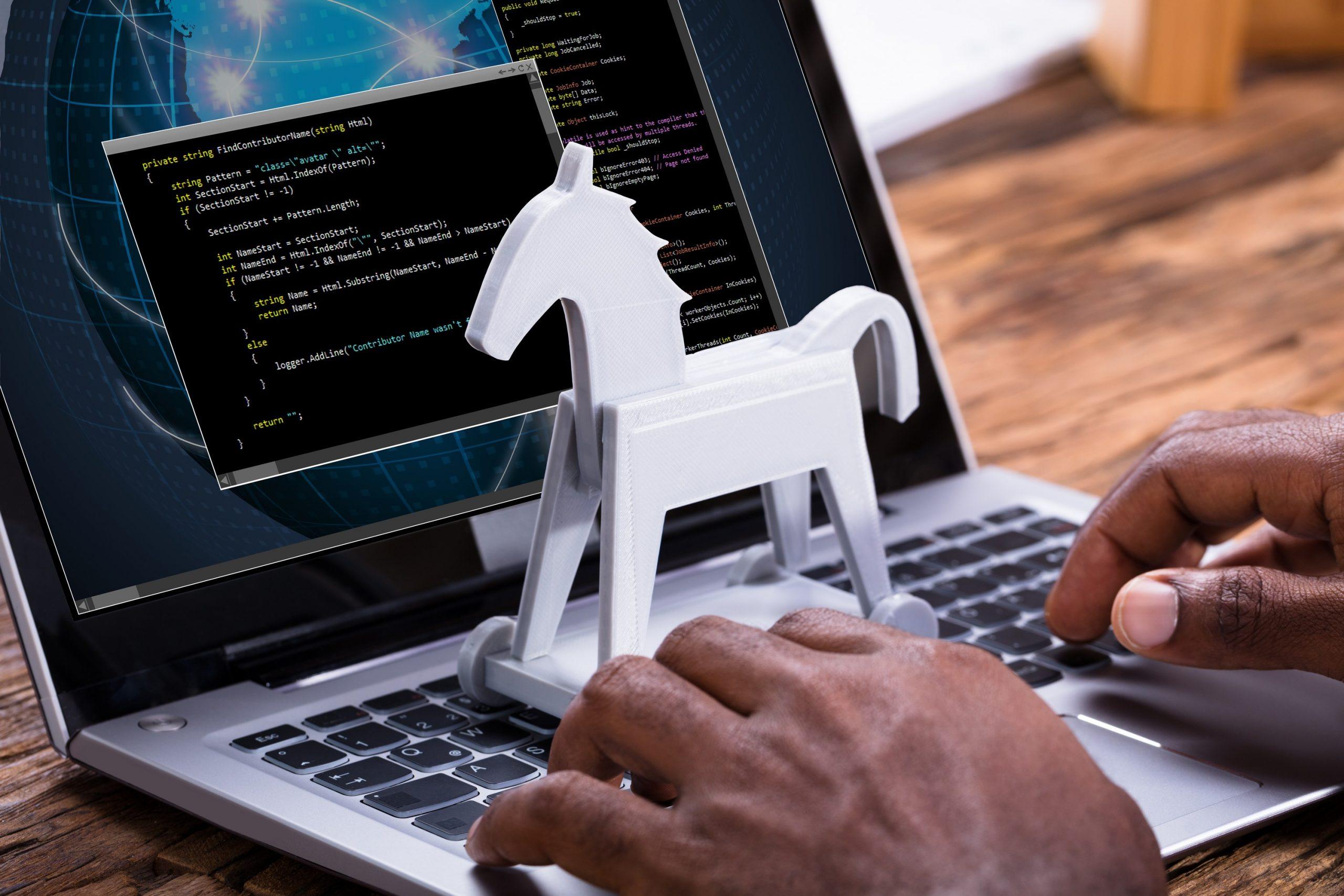
Cerdigent malware refers to a recently detected threat labeled Trojan:Win32/Cerdigent.A!dha, primarily identified by Microsoft Defender in early May 2026. While initially classified as a high-severity Trojan, further investigation revealed a complex situation involving certificate abuse, detection errors, and widespread false positives.

Contents
  • Threat Classification
  • How the Threat Emerged
    • 1. Defender Signature Update Trigger
    • 2. DigiCert Certificate Incident
      • What happened:
    • 3. Chain Reaction: False Positives
  • Technical Behavior (Observed & Theoretical)
    • Potential Malicious Capabilities
    • Observed System Changes
  • Symptoms of Infection (or False Detection)
  • Is Cerdigent a Real Malware Threat?
    • Current Consensus: Mostly False Positive
    • Why It Still Matters
  • Impact of the Incident
    • 1. Enterprise Disruption
    • 2. User Panic
    • 3. Security Implications
  • Mitigation and Removal
    • If the Detection Was a False Positive
    • If a Real Infection Is Suspected
  • Prevention Best Practices
  • Key Takeaways
  • Conclusion
  • Manual Trojan Malware Removal Guide
    • Step 1: Boot into Safe Mode
    • Step 2: Identify and Stop Malicious Processes
    • Step 3: Remove Trojan-Related Files and Folders
    • Step 4: Clean Trojan Malware from Registry
    • Step 5: Reset Browser Settings
      • Google Chrome
      • Mozilla Firefox
      • Microsoft Edge
    • Step 6: Run a Full Windows Defender Scan
    • Step 7: Update Windows and Installed Software
  • Automatic Trojan Removal Using SpyHunter
    • Step 1: Download SpyHunter
    • Step 2: Install SpyHunter
    • Step 3: Scan Your System
    • Step 4: Remove Detected Malware
    • Step 5: Restart Your Computer
  • Tips to Prevent Future Trojan Infections

This incident caused global concern among users and system administrators due to the scale of alerts and the unusual nature of the detection.

Scan Your Your Device for Trojan:Win32/Cerdigent.A!dha

✅ Detects & Removes Malware

🛡️ Protects against infections

Download SpyHunter 5
Download SpyHunter for Mac

✅ Free Scan 

✅13M Scans/Month

Don’t leave your system unprotected. Download SpyHunter today for free, and scan your device for malware, scams, or any other potential threats. Stay Protected!


Threat Classification

  • Name: Trojan:Win32/Cerdigent.A!dha
  • Type: Trojan (potentially) / False Positive (confirmed in many cases)
  • Platform: Windows systems (Windows 10/11, servers)
  • Detection Source: Microsoft Defender Antivirus

Trojans are typically malicious programs disguised as legitimate software that allow attackers to execute unauthorized actions on a victim’s system. In theory, Cerdigent fits this category—but the real-world case is more nuanced.


How the Threat Emerged

1. Defender Signature Update Trigger

The incident began after a Microsoft Defender security intelligence update introduced new detection signatures.

These signatures flagged:

  • Suspicious certificate activity
  • Modified system components
  • Potential privilege escalation behavior

This led to immediate alerts across thousands of systems worldwide.


2. DigiCert Certificate Incident

The root cause of the alerts appears tied to a security incident involving DigiCert, a major certificate authority.

What happened:

  • A DigiCert-related system was compromised
  • Attackers accessed code-signing certificates
  • These certificates were used to sign potentially suspicious binaries
  • Dozens of affected certificates were revoked

3. Chain Reaction: False Positives

Microsoft Defender responded aggressively by:

  • Flagging any file or certificate linked to revoked certificates
  • Misidentifying legitimate system certificates as malicious
  • Triggering alerts even on clean systems

This resulted in widespread false positives, where no actual malware infection existed.


Technical Behavior (Observed & Theoretical)

Although detailed technical documentation is limited, the detection suggests the following possible behaviors:

Potential Malicious Capabilities

If Cerdigent were a real Trojan, it could:

  • Execute arbitrary code with elevated privileges
  • Modify system settings and registry entries
  • Tamper with trusted root certificates
  • Enable interception of encrypted communications

These capabilities align with attacks targeting the Windows certificate store, which is critical for secure HTTPS communication.


Observed System Changes

In flagged systems, Defender reported:

  • Deletion of registry keys related to root certificates
  • Activity from the Defender engine removing suspicious entries
  • Quarantine actions labeled as successful remediation

These actions were part of Defender’s automated cleanup process, not necessarily malicious activity itself.


Symptoms of Infection (or False Detection)

Users reported the following symptoms:

  • System slowdown or instability
  • Unexpected certificate removal
  • Changes in desktop settings
  • Increased storage usage
  • Occasional crashes or freezes

However, many of these symptoms were caused by Defender’s remediation actions, not malware execution.


Is Cerdigent a Real Malware Threat?

Current Consensus: Mostly False Positive

Security analysis indicates:

  • No confirmed large-scale malware campaign using “Cerdigent”
  • Alerts triggered simultaneously across unrelated systems
  • Detection focused on certificates, not executable payloads

This strongly suggests a detection logic issue rather than an active widespread infection.


Why It Still Matters

Even if largely a false alarm, the incident highlights real risks:

  • Compromised certificates can be used to sign real malware
  • Over-aggressive detection can break trust in security tools
  • Misclassification may lead to system instability or unnecessary remediation

Impact of the Incident

1. Enterprise Disruption

  • IT teams received mass alerts across endpoints
  • Automated defenses removed trusted certificates
  • Some systems experienced connectivity issues

2. User Panic

  • Many users believed they were infected
  • Some attempted unnecessary OS reinstalls
  • Confusion spread across forums and communities

3. Security Implications

  • Demonstrated how certificate trust chains can be weaponized
  • Highlighted weaknesses in signature-based detection systems

Mitigation and Removal

If the Detection Was a False Positive

  1. Update Microsoft Defender to the latest definitions
  2. Run a full system scan
  3. Restore removed certificates if needed
  4. Verify system stability

Updated security intelligence versions resolved most of the false detections.


If a Real Infection Is Suspected

Take additional precautions:

  • Disconnect from the network
  • Run multiple antivirus scans
  • Monitor for suspicious processes
  • Reset credentials if compromise is likely

Prevention Best Practices

To protect against similar threats:

  • Keep antivirus definitions up to date
  • Avoid downloading untrusted software
  • Monitor certificate changes in enterprise environments
  • Use endpoint detection and response (EDR) tools
  • Apply least-privilege access policies

Key Takeaways

  • Cerdigent is a controversial threat—initially flagged as malware but largely identified as a false positive.
  • The incident originated from a certificate-related issue and over-aggressive detection logic.
  • While most alerts were not tied to real infections, the situation underscores risks involving certificate abuse and trust systems.
  • Organizations should treat such alerts carefully—neither ignoring them nor overreacting without verification.

Conclusion

The Cerdigent case is a clear example of how modern cybersecurity threats extend beyond traditional malware. It highlights the growing importance of trust infrastructure, certificate security, and accurate detection systems.

Even though the immediate threat may have been overstated, the underlying issue—misuse of trusted certificates—remains a serious concern that requires ongoing vigilance.

Scan Your Your Device for Trojan:Win32/Cerdigent.A!dha

✅ Detects & Removes Malware

🛡️ Protects against infections

Download SpyHunter 5
Download SpyHunter for Mac

✅ Free Scan 

✅13M Scans/Month

Don’t leave your system unprotected. Download SpyHunter today for free, and scan your device for malware, scams, or any other potential threats. Stay Protected!

Manual Trojan Malware Removal Guide

Step 1: Boot into Safe Mode

  1. Restart your computer.
  2. Before Windows starts, press the F8 key (or Shift + F8 on some systems).
  3. Select Safe Mode with Networking from the Advanced Boot Options menu.
  4. Press Enter to boot.

This prevents the Trojan from running and makes it easier to remove.


Step 2: Identify and Stop Malicious Processes

  1. Press Ctrl + Shift + Esc to open Task Manager.
  2. Go to the Processes tab (or Details in Windows 10/11).
  3. Look for suspicious processes using high CPU or memory, or with unfamiliar names.
  4. Right-click on the suspicious process and select Open File Location.
  5. If the file is in a temporary or system folder and looks unfamiliar, it is likely malicious.
  6. Right-click the process and choose End Task.
  7. Delete the associated file in File Explorer.

Step 3: Remove Trojan-Related Files and Folders

  1. Press Win + R, type %temp%, and press Enter.
  2. Delete all files in the Temp folder.
  3. Also check these directories for unfamiliar or recently created files:
    • C:\Users\YourUser\AppData\Local\Temp
    • C:\Windows\Temp
    • C:\Program Files (x86)
    • C:\ProgramData
    • C:\Users\YourUser\AppData\Roaming
  4. Delete suspicious files or folders.

Step 4: Clean Trojan Malware from Registry

  1. Press Win + R, type regedit, and press Enter.
  2. Navigate to the following paths:
    • HKEY_LOCAL_MACHINE\SOFTWARE\Microsoft\Windows\CurrentVersion\Run
    • HKEY_CURRENT_USER\SOFTWARE\Microsoft\Windows\CurrentVersion\Run
  3. Look for entries launching files from suspicious locations.
  4. Right-click and delete any entries you don’t recognize.

Warning: Editing the registry can harm your system if done improperly. Proceed with caution.


Step 5: Reset Browser Settings

Google Chrome

  1. Go to Settings > Reset Settings.
  2. Click Restore settings to their original defaults and confirm.

Mozilla Firefox

  1. Go to Help > More Troubleshooting Information.
  2. Click Refresh Firefox.

Microsoft Edge

  1. Go to Settings > Reset settings.
  2. Click Restore settings to their default values.

Step 6: Run a Full Windows Defender Scan

  1. Open Windows Security via Settings > Update & Security.
  2. Click Virus & threat protection.
  3. Choose Scan options, select Full scan, and click Scan now.

Step 7: Update Windows and Installed Software

  1. Press Win + I, go to Update & Security > Windows Update.
  2. Click Check for updates and install all available updates.

Automatic Trojan Removal Using SpyHunter

Scan Your Your Device for Trojan:Win32/Cerdigent.A!dha

✅ Detects & Removes Malware

🛡️ Protects against infections

Download SpyHunter 5
Download SpyHunter for Mac

✅ Free Scan 

✅13M Scans/Month

Don’t leave your system unprotected. Download SpyHunter today for free, and scan your device for malware, scams, or any other potential threats. Stay Protected!

If manually removing the Trojan seems difficult or time-consuming, using SpyHunter is the recommended method. SpyHunter is an advanced anti-malware tool that detects and eliminates Trojan infections effectively.

Step 1: Download SpyHunter

Use the following official link to download SpyHunter: Download SpyHunter

For full instructions on how to install, follow this page: Official SpyHunter Download Instructions


Step 2: Install SpyHunter

  1. Locate the SpyHunter-Installer.exe file in your Downloads folder.
  2. Double-click the installer to begin setup.
  3. Follow the on-screen prompts to complete the installation.

Step 3: Scan Your System

  1. Open SpyHunter.
  2. Click Start Scan Now.
  3. Let the program detect all threats, including Trojan components.

Step 4: Remove Detected Malware

  1. After the scan, click Fix Threats.
  2. SpyHunter will automatically quarantine and remove all identified malicious components.

Step 5: Restart Your Computer

Restart your system to ensure all changes take effect and the threat is completely removed.


Tips to Prevent Future Trojan Infections

  • Avoid downloading pirated software or opening unknown email attachments.
  • Only visit trusted websites and avoid clicking on suspicious ads or pop-ups.
  • Use a real-time antivirus solution like SpyHunter for ongoing protection.
  • Keep your operating system, browsers, and software up to date.

Scan Your Your Device for Trojan:Win32/Cerdigent.A!dha

✅ Detects & Removes Malware

🛡️ Protects against infections

Download SpyHunter 5
Download SpyHunter for Mac

✅ Free Scan 

✅13M Scans/Month

Don’t leave your system unprotected. Download SpyHunter today for free, and scan your device for malware, scams, or any other potential threats. Stay Protected!

VerifyPrize.com
JDownloader Malware
Trojan:HTML/Redirector
SteamUnlocked Malware
Needle Stealer
TAGGED:Cerdigent Malwarecybersecuritymalware removalMalware removal guideSpyHunterTrojantrojan removalTrojan:Win32/Cerdigent.A!dha detectionTrojan:Win32/Cerdigent.A!dha removal

Sign Up For Daily Newsletter

Be keep up! Get the latest breaking news delivered straight to your inbox.
By signing up, you agree to our Terms of Use and acknowledge the data practices in our Privacy Policy. You may unsubscribe at any time.
Share This Article
Facebook Copy Link Print
Share
Previous Article Start-pageSearch(.)com Browser Hijacker
Next Article Stripchat
Leave a Comment

Leave a Reply Cancel reply

Your email address will not be published. Required fields are marked *

Scan Your System for Malware

Don’t leave your system unprotected. Download SpyHunter today for free, and scan your device for malware, scams, or any other potential threats. Stay Protected!

Download SpyHunter 5
Download SpyHunter for Mac
✅ Free Scan Available • ⭐ Catches malware instantly
//

Check in Daily for the best technology and Cybersecurity based content on the internet.

Quick Link

  • ABOUT US
  • TERMS AND SERVICES
  • SITEMAP
  • CONTACT US

Support

Sign Up for Our Newesletter

Subscribe to our newsletter to get our newest articles instantly!


www.itfunk.orgwww.itfunk.org
© 2023 www.itfunk.org. All Rights Reserved.
  • ABOUT US
  • TERMS AND SERVICES
  • SITEMAP
  • CONTACT US
Welcome Back!

Sign in to your account

Username or Email Address
Password

Lost your password?

TERMS AND SERVICES