

















If your business runs on Windows infrastructure, chances are Active Directory (AD) is at the heart of your operations. It controls user access, authentication, and permissions—making it one of the most critical assets in your IT environment.
Unfortunately, it’s also one of the most targeted. According to recent studies, over 90% of cyberattacks on enterprises involve Active Directory in some way. Attackers know that once they compromise AD, they can move laterally, escalate privileges, and take over entire networks.
That’s why Active Directory hardening isn’t optional—it’s essential.
Cybersecurity for Business
Your business faces constantly evolving cyber threats that can jeopardize sensitive data, disrupt operations, and damage your reputation. Our cybersecurity for business solutions are tailored to meet the unique challenges of companies of all sizes, providing robust protection against malware, phishing, ransomware, and more.
Whether you’re a small startup or a large enterprise, we offer multi-license cybersecurity packages that ensure seamless protection for your entire team, across all devices. With advanced features like real-time threat monitoring, endpoint security, and secure data encryption, you can focus on growing your business while we handle your digital security needs.
Get a Free Quote Today! Safeguard your business with affordable and scalable solutions. Contact us now to request a free quote for multi-license cybersecurity packages designed to keep your company safe and compliant. Don’t wait—protect your business before threats strike!
What Is Active Directory Hardening?
Active Directory hardening is the process of securing your AD environment against unauthorized access, misuse, and cyber threats. It involves tightening configurations, enforcing policies, monitoring activity, and reducing attack surfaces.
Think of AD as your company’s “digital gatekeeper.” Hardening it means:
- Strengthening authentication controls
- Limiting access rights
- Monitoring suspicious behavior
- Preventing privilege escalation
Common Active Directory Security Risks
Before diving into solutions, it’s important to understand where vulnerabilities lie.
1. Weak Password Policies
- Short or reused passwords
- Lack of multi-factor authentication (MFA)
2. Excessive Privileges
- Users or admins with more access than necessary
- “Privilege creep” over time
3. Unpatched Systems
- Outdated domain controllers
- Missing security updates
4. Poor Visibility
- Lack of logging and monitoring
- No alerting for suspicious activity
5. Legacy Protocols
- Use of insecure protocols like NTLM
- Lack of encryption
Key Active Directory Hardening Best Practices
1. Enforce Strong Authentication
Start with identity protection:
- Implement multi-factor authentication (MFA) for all users
- Enforce strong password policies (length, complexity, expiration)
- Use passwordless authentication where possible
2. Apply the Principle of Least Privilege
Limit access rights to only what’s necessary:
- Remove unnecessary admin privileges
- Use role-based access control (RBAC)
- Regularly audit user permissions
3. Secure Domain Controllers
Domain controllers (DCs) are the backbone of AD—protect them aggressively:
- Restrict physical and network access
- Use dedicated admin workstations
- Disable unnecessary services
4. Patch and Update Regularly
Unpatched vulnerabilities are an open door:
- Keep Windows Server and AD components updated
- Automate patch management
- Monitor for known vulnerabilities
5. Disable Legacy Protocols
Older protocols are easier to exploit:
- Disable NTLM where possible
- Enforce Kerberos authentication
- Require SMB signing
6. Monitor and Audit Activity
Visibility is key to stopping attacks early:
- Enable advanced auditing policies
- Monitor login attempts and privilege changes
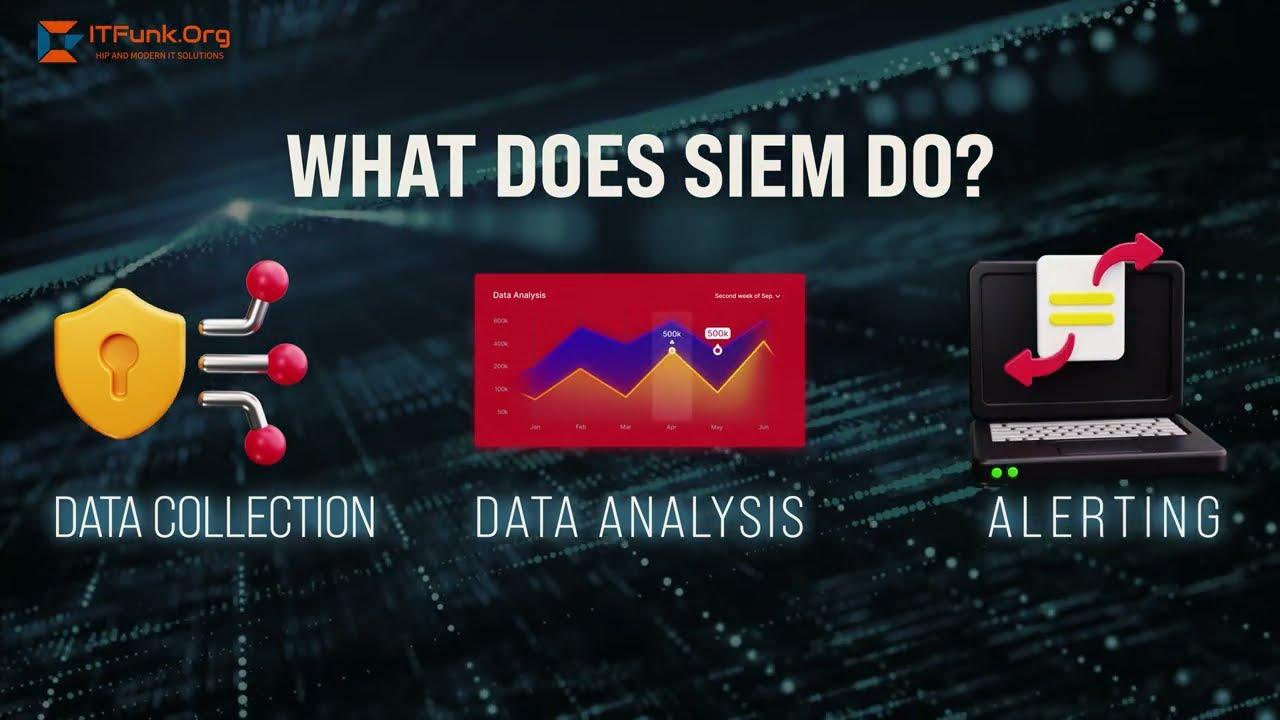
- Use SIEM tools for centralized logging
7. Implement Network Segmentation
Reduce lateral movement:
- Separate critical systems into secure zones
- Limit communication between segments
- Use firewalls and access control lists
8. Protect Against Malware and Ransomware
AD is often the primary target of ransomware attacks. Businesses should deploy robust endpoint protection across all systems connected to AD.
A strong solution is SpyHunter, which offers multi-device protection through its multi-license feature—ideal for businesses managing multiple endpoints.
👉 Secure your business systems here.
Benefits include:
- Centralized malware protection
- Real-time threat detection
- Coverage across multiple devices with one license
Advanced Active Directory Hardening Techniques
Tiered Administration Model
Separate administrative roles into tiers:
- Tier 0: Domain controllers and critical systems
- Tier 1: Servers and applications
- Tier 2: User workstations
This limits the impact of compromised credentials.
Privileged Access Workstations (PAWs)
Use dedicated, hardened systems for administrative tasks:
- No internet browsing
- Restricted software installation
- Strict access controls
Just-In-Time (JIT) Access
Grant admin privileges only when needed:
- Temporary access windows
- Automatic revocation
- Reduced exposure time
Group Policy Hardening
Use Group Policy Objects (GPOs) to enforce:
- Security baselines
- Account lockout policies
- Audit configurations
Active Directory Hardening Checklist
Here’s a quick checklist for businesses:
- ✔ Enable MFA across all accounts
- ✔ Remove unnecessary admin rights
- ✔ Patch systems regularly
- ✔ Disable legacy protocols
- ✔ Monitor AD activity continuously
- ✔ Segment your network
- ✔ Deploy endpoint protection
- ✔ Use tiered administration
- ✔ Audit permissions frequently
Real-World Example
Imagine a small business where an employee falls for a phishing email. Their credentials are stolen.
Without hardening:
- The attacker logs in
- Moves laterally across the network
- Gains admin privileges
- Deploys ransomware
With proper AD hardening:
- MFA blocks the login
- Limited privileges restrict access
- Monitoring detects unusual behavior
- Endpoint protection stops malware
The attack is contained before damage occurs.
Conclusion: Secure Your Business Before It’s Too Late
Active Directory is the backbone of your IT infrastructure—and one of the biggest cybersecurity risks if left unprotected.
By implementing Active Directory hardening best practices, your business can:
- Reduce attack surfaces
- Prevent unauthorized access
- Detect threats early
- Ensure business continuity
Don’t wait for a breach to take action.
👉 Strengthen your defenses today with multi-device protection.
Final Thoughts
Cyber threats are evolving, but so are your defenses. With a proactive approach to Active Directory hardening, even small and medium-sized businesses can achieve enterprise-level security.
Cybersecurity for Business
Your business faces constantly evolving cyber threats that can jeopardize sensitive data, disrupt operations, and damage your reputation. Our cybersecurity for business solutions are tailored to meet the unique challenges of companies of all sizes, providing robust protection against malware, phishing, ransomware, and more.
Whether you’re a small startup or a large enterprise, we offer multi-license cybersecurity packages that ensure seamless protection for your entire team, across all devices. With advanced features like real-time threat monitoring, endpoint security, and secure data encryption, you can focus on growing your business while we handle your digital security needs.
Get a Free Quote Today! Safeguard your business with affordable and scalable solutions. Contact us now to request a free quote for multi-license cybersecurity packages designed to keep your company safe and compliant. Don’t wait—protect your business before threats strike!