














Cyberattacks are no longer a question of if but when. According to recent studies, the majority of data breaches stem from vulnerabilities introduced during software development. For businesses—especially SMEs—this makes the Secure Software Development Lifecycle (SSDLC) a critical defense strategy.
Unlike traditional development, SSDLC integrates security at every stage, reducing risks, protecting sensitive data, and ensuring compliance. In this guide, you’ll learn what SSDLC is, why it matters, and how to implement it effectively in your organization.
Cybersecurity for Business
Your business faces constantly evolving cyber threats that can jeopardize sensitive data, disrupt operations, and damage your reputation. Our cybersecurity for business solutions are tailored to meet the unique challenges of companies of all sizes, providing robust protection against malware, phishing, ransomware, and more.
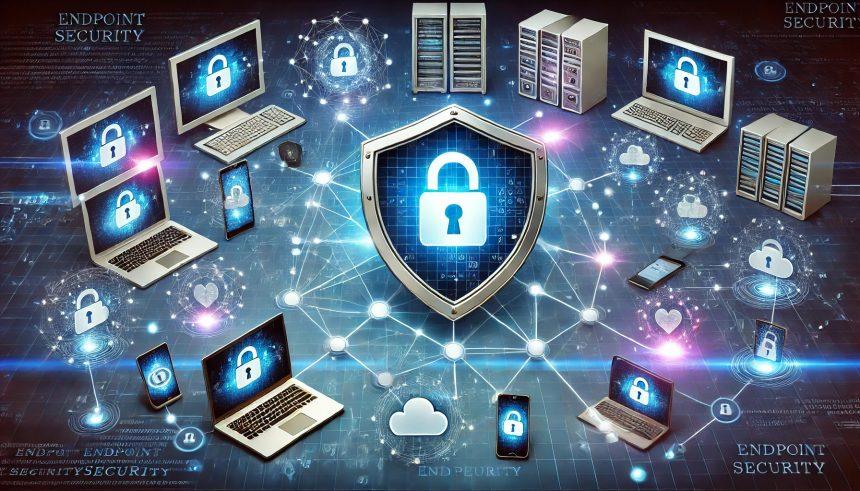
Whether you’re a small startup or a large enterprise, we offer multi-license cybersecurity packages that ensure seamless protection for your entire team, across all devices. With advanced features like real-time threat monitoring, endpoint security, and secure data encryption, you can focus on growing your business while we handle your digital security needs.
Get a Free Quote Today! Safeguard your business with affordable and scalable solutions. Contact us now to request a free quote for multi-license cybersecurity packages designed to keep your company safe and compliant. Don’t wait—protect your business before threats strike!
What Is a Secure Software Development Lifecycle (SSDLC)?
The Secure Software Development Lifecycle (SSDLC) is a structured approach that embeds security practices into every phase of software development—from planning to deployment and maintenance.
Instead of treating security as an afterthought, SSDLC ensures:
- Continuous risk assessment
- Early vulnerability detection
- Secure coding practices
- Ongoing monitoring and improvement
Why SSDLC Matters for Businesses
1. Prevent Costly Data Breaches
Fixing vulnerabilities after deployment is significantly more expensive than addressing them early. SSDLC minimizes exposure by catching issues during development.
2. Ensure Regulatory Compliance
Frameworks like GDPR, HIPAA, and ISO 27001 require strong security controls. SSDLC helps businesses stay compliant and avoid penalties.
3. Protect Brand Reputation
A single breach can damage customer trust. Implementing SSDLC shows commitment to corporate data security.
4. Reduce Long-Term Costs
Proactive security reduces incident response costs and downtime.
Key Phases of the Secure Software Development Lifecycle
1. Planning & Requirements
This phase defines security objectives and identifies potential risks.
Best practices:
- Conduct risk assessments
- Define security requirements
- Identify sensitive data flows
- Align with compliance standards
2. Design
Security architecture is created before coding begins.
Best practices:
- Use threat modeling techniques
- Apply secure design principles (e.g., least privilege)
- Plan for encryption and authentication
3. Development (Secure Coding)
Developers write code following secure coding standards.
Best practices:
- Use code reviews and peer testing
- Avoid common vulnerabilities (e.g., SQL injection, XSS)
- Implement secure libraries and frameworks
4. Testing
Security testing ensures vulnerabilities are identified before release.
Types of testing:
- Static Application Security Testing (SAST)
- Dynamic Application Security Testing (DAST)
- Penetration testing
5. Deployment
Applications are released into production with security controls in place.
Best practices:
- Use secure configurations
- Implement access controls
- Monitor for suspicious activity
6. Maintenance & Monitoring
Security doesn’t stop after deployment.
Best practices:
- Regular patching and updates
- Continuous monitoring
- Incident response planning
Common SSDLC Frameworks and Standards
Businesses often rely on established frameworks to guide implementation:
- NIST Secure Software Development Framework (SSDF)
- OWASP Software Assurance Maturity Model (SAMM)
- ISO/IEC 27034 (Application Security)
These frameworks provide structured approaches to cyber risk management and threat detection and response.
SSDLC Best Practices for SMEs
Implementing SSDLC doesn’t require enterprise-level resources. SMEs can start with these practical steps:
Adopt a Security-First Culture
Train employees and developers on cybersecurity awareness and secure coding practices.
Automate Security Testing
Use tools that integrate with your CI/CD pipeline to detect vulnerabilities early.
Implement Access Controls
Use multi-factor authentication and role-based access to protect systems.
Secure Endpoints
Ensure all development devices are protected with advanced malware protection.
👉 For businesses managing multiple devices, consider using SpyHunter with its multi-license feature, which allows centralized protection across endpoints.
🔗 Purchase here.
Common SSDLC Challenges
Despite its benefits, businesses may face:
- Limited resources: განსაკუთრებით for small teams
- Lack of expertise: امنیت requires specialized knowledge
- Integration issues: Aligning security with agile workflows
- Resistance to change: Teams may prioritize speed over security
Solution: Start small, automate where possible, and gradually mature your SSDLC process.
Real-World Example
Imagine a small e-commerce business launching a new platform:
- Without SSDLC: Vulnerabilities go unnoticed → hackers exploit payment system → data breach
- With SSDLC: Security testing detects flaws early → fixes applied → secure launch
The difference can mean thousands—or millions—in losses.
Tools That Support SSDLC
Businesses can enhance SSDLC with:
- Code analysis tools (e.g., SonarQube)
- Vulnerability scanners
- Endpoint protection solutions
- Security monitoring platforms
Combining these tools creates a layered business cybersecurity solution.
Conclusion
The Secure Software Development Lifecycle (SSDLC) is no longer optional—it’s essential. By integrating security into every stage of development, businesses can prevent breaches, reduce costs, and build trust with customers.
Even small steps—like secure coding practices, automated testing, and endpoint protection—can significantly strengthen your defenses.
👉 Take action today: Protect your development environment and endpoints with SpyHunter’s multi-license solution to ensure comprehensive coverage across your organization.
Cybersecurity for Business
Your business faces constantly evolving cyber threats that can jeopardize sensitive data, disrupt operations, and damage your reputation. Our cybersecurity for business solutions are tailored to meet the unique challenges of companies of all sizes, providing robust protection against malware, phishing, ransomware, and more.
Whether you’re a small startup or a large enterprise, we offer multi-license cybersecurity packages that ensure seamless protection for your entire team, across all devices. With advanced features like real-time threat monitoring, endpoint security, and secure data encryption, you can focus on growing your business while we handle your digital security needs.
Get a Free Quote Today! Safeguard your business with affordable and scalable solutions. Contact us now to request a free quote for multi-license cybersecurity packages designed to keep your company safe and compliant. Don’t wait—protect your business before threats strike!