
















www.itfunk.orgwww.itfunk.orgwww.itfunk.org
  • Home
  • Tech News
    Tech NewsShow More
    Zero Trust: How a Security Idea Became a Blueprint
    41 Min Read
    Cybersecurity Law Expiration Could Unleash New Ransomware Surge – Former FBI Official Sounds the Alarm
    8 Min Read
    Under the Hood of Microsoft’s May 2025 Patch Tuesday: The CLFS and WinSock Problem Microsoft Can’t Seem to Fix
    7 Min Read
    The Hidden Sabotage: How Malicious Go Modules Quietly Crashed Linux Systems
    6 Min Read
    Agentic AI: The Next Frontier in Cybersecurity Defense and Risk​
    5 Min Read
  • Cyber Threats
    • Malware
    • Ransomware
    • Trojans
    • Adware
    • Browser Hijackers
    • Mac Malware
    • Android Threats
    • iPhone Threats
    • Potentially Unwanted Programs (PUPs)
    • Online Scams
    • Microsoft CVE Vulnerabilities
  • How To Guides
    How To GuidesShow More
    Tasksche.exe Malware
    Nviqri Someq Utils Unwanted Application
    4 Min Read
    How to Deal With Rbx.fund Scam
    4 Min Read
    How to Jailbreak DeepSeek: Unlocking AI Without Restrictions
    4 Min Read
    Why Streaming Services Geo-Restrict Content?
    10 Min Read
  • Product Reviews
    • Hardware
    • Software
  • IT/Cybersecurity Best Practices
    IT/Cybersecurity Best PracticesShow More
    Zero Trust: How a Security Idea Became a Blueprint
    41 Min Read
    Under the Hood of Microsoft’s May 2025 Patch Tuesday: The CLFS and WinSock Problem Microsoft Can’t Seem to Fix
    7 Min Read
    Affordable Endpoint Protection Platforms (EPP) for Small Businesses
    5 Min Read
    Outlaw Malware: A Persistent Threat Exploiting Linux Servers
    4 Min Read
    CVE-2024-48248: Critical NAKIVO Backup & Replication Flaw Actively Exploited—Patch Immediately
    6 Min Read
  • FREE SCAN
  • Cybersecurity for Business
Search
  • ABOUT US
  • TERMS AND SERVICES
  • SITEMAP
  • CONTACT US
© 2023 ITFunk.org. All Rights Reserved.
Reading: Understanding CVE-2024-43573 and CVE-2024-43572: An Overview
Share
Notification Show More
Font ResizerAa
www.itfunk.orgwww.itfunk.org
Font ResizerAa
  • Tech News
  • How To Guides
  • Cyber Threats
  • Product Reviews
  • Cybersecurity for Business
  • Free Scan
Search
  • Home
  • Tech News
  • Cyber Threats
    • Malware
    • Ransomware
    • Trojans
    • Adware
    • Browser Hijackers
    • Mac Malware
    • Android Threats
    • iPhone Threats
    • Potentially Unwanted Programs (PUPs)
    • Online Scams
  • How To Guides
  • Product Reviews
    • Hardware
    • Software
  • IT/Cybersecurity Best Practices
  • Cybersecurity for Business
  • FREE SCAN
Follow US
  • ABOUT US
  • TERMS AND SERVICES
  • SITEMAP
  • CONTACT US
© 2023 ITFunk.org All Rights Reserved.
www.itfunk.org > Blog > Cyber Threats > Microsoft CVE Vulnerabilities > Understanding CVE-2024-43573 and CVE-2024-43572: An Overview
Cyber ThreatsIT/Cybersecurity Best PracticesMicrosoft CVE VulnerabilitiesTech News

Understanding CVE-2024-43573 and CVE-2024-43572: An Overview

ITFunk News
Last updated: June 12, 2025 4:18 pm
ITFunk News
Share
Understanding CVE-2024-43573 and CVE-2024-43572: An Overview
SHARE

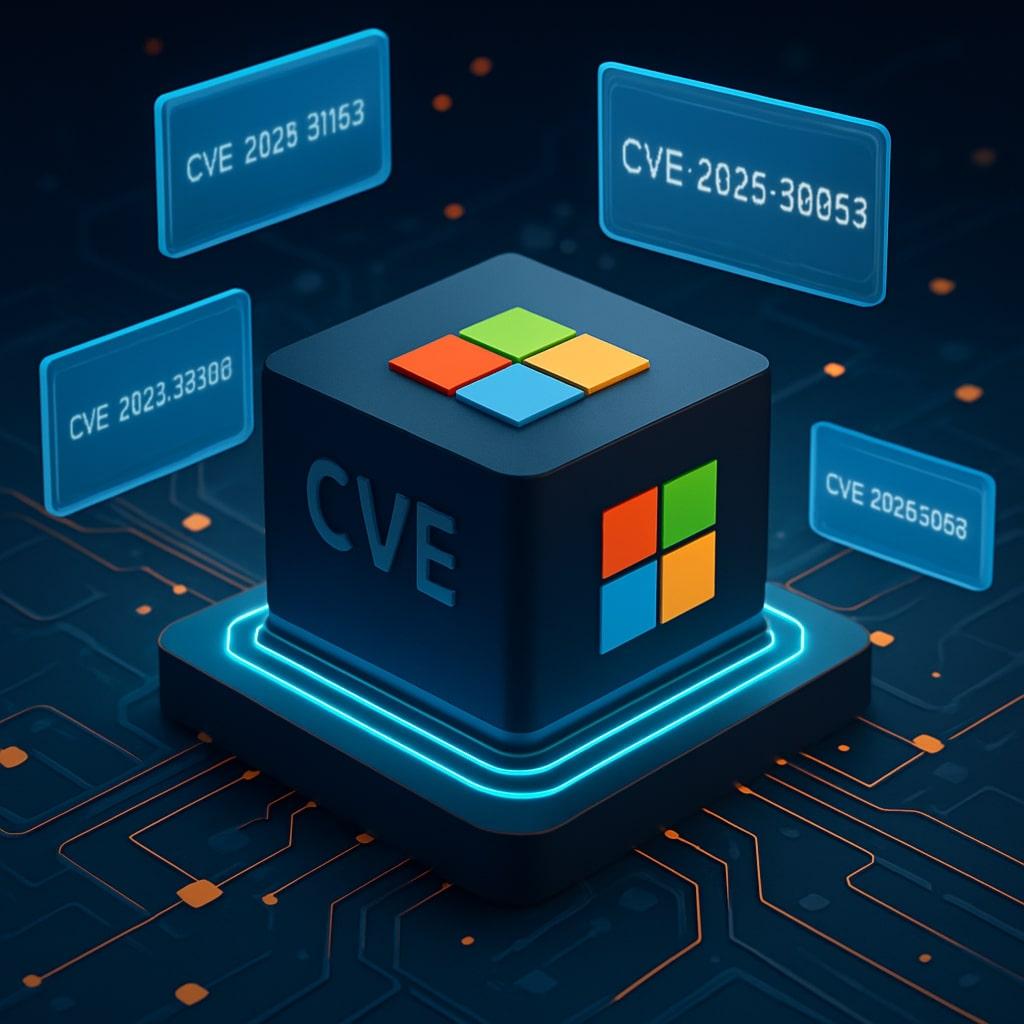
In October 2024, Microsoft released crucial patches addressing a variety of vulnerabilities, among which CVE-2024-43573 and CVE-2024-43572 stand out due to their significant implications for Windows systems. Both vulnerabilities pose a serious threat to users, particularly in enterprise environments, where they can be exploited to gain unauthorized access and control over sensitive data.

Contents
What is CVE-2024-43573?Scan Your Computer for Free with SpyHunterHow Do Cybercriminals Exploit CVE-2024-43573?Symptoms of InfectionRemoving the Threat Using SpyHunterScan Your Computer for Free with SpyHunterPrevention TipsScan Your Computer for Free with SpyHunter

What is CVE-2024-43573?

CVE-2024-43573 is classified as a critical remote code execution vulnerability found in the Windows Local Security Authority (LSA). This flaw enables attackers to execute arbitrary code with elevated privileges, compromising the integrity and confidentiality of the affected systems. By exploiting this vulnerability, an attacker could gain complete control over a system, making it possible to manipulate data, install additional malware, or even use the system as a launchpad for further attacks on other machines within the network.

Remove annoying malware threats like this one in seconds!

Scan Your Computer for Free with SpyHunter

Download SpyHunter now, and scan your computer for this and other cybersecurity threats for free!

Download SpyHunter 5
Download SpyHunter for Mac

How Do Cybercriminals Exploit CVE-2024-43573?

The exploitation of CVE-2024-43573 typically follows a well-defined process:

  1. Delivery Mechanism: Attackers commonly deliver malicious payloads through various methods, including phishing emails, which may contain infected attachments or links to compromised websites. These emails often appear legitimate, tricking users into downloading and executing malicious files.
  2. Execution of Payload: Once the user executes the malware, it leverages the vulnerability in the LSA to escalate its privileges. This escalation allows the malware to execute code at a system level, granting the attacker full control over the operating system and its resources.
  3. Propagation and Data Theft: After successful execution, the malware can carry out several malicious actions, such as:
    • Data Exfiltration: Sensitive data, including usernames, passwords, and proprietary information, can be stolen and sent to the attacker.
    • Lateral Movement: The malware can spread to other systems within the network, infecting additional machines and further compromising the environment.
    • Installation of Backdoors: Attackers may install backdoors to maintain persistent access, enabling them to return to the system even after initial detection and remediation efforts.

Symptoms of Infection

Detecting an infection linked to CVE-2024-43573 can be difficult due to its stealthy nature. However, users and administrators should be vigilant for the following signs:

  • Performance Issues: Users may notice their systems slowing down significantly, as malicious processes consume system resources and bandwidth.
  • Unexpected Crashes: Frequent application crashes, system freezes, or unusual behavior in software can indicate underlying malware activity.
  • Unauthorized Access Attempts: Users may experience unrecognized attempts to access sensitive files or changes in user permissions that they did not authorize.
  • Network Anomalies: Anomalies in network traffic patterns, such as unexplained spikes in outgoing traffic or connections to unfamiliar IP addresses, can signal data exfiltration attempts.

Removing the Threat Using SpyHunter

Remove annoying malware threats like this one in seconds!

Scan Your Computer for Free with SpyHunter

Download SpyHunter now, and scan your computer for this and other cybersecurity threats for free!

Download SpyHunter 5
Download SpyHunter for Mac

To effectively remove malware associated with CVE-2024-43573 using SpyHunter, follow these detailed steps:

  1. Download and Install: Obtain SpyHunter from here or from one of the download buttons on this page.
  2. Run a Full System Scan: Launch the application and initiate a comprehensive scan of your system. SpyHunter will search for known malware signatures, suspicious files, and potential vulnerabilities.
  3. Review Detected Threats: After the scan is complete, carefully review the list of detected threats. SpyHunter provides detailed descriptions, including the type of threat, its severity, and the specific files involved.
  4. Quarantine and Remove: Select the identified threats and opt to quarantine them first, which isolates the files to prevent further damage. After quarantine, follow the prompts to permanently remove the threats from your system.
  5. Restart Your System: Once the removal process is complete, reboot your computer to ensure that all changes take effect and any remaining traces of the malware are eliminated.
Download SpyHunter 5
Download SpyHunter for Mac

Prevention Tips

To enhance your defenses against similar vulnerabilities and cyber threats, consider implementing the following best practices:

  • Regular Updates: Keep your operating system, software applications, and security tools up to date with the latest patches and updates. Regularly applying security updates can significantly reduce the risk of exploitation.
  • Comprehensive Security Solutions: Use reputable antivirus and anti-malware software to detect and block threats proactively. Configure your security software to perform regular system scans and real-time monitoring.
  • User Education and Awareness: Train employees and users to recognize phishing attempts and suspicious emails. Providing guidelines on safe browsing habits can significantly decrease the likelihood of successful attacks.
  • Network Segmentation: Implementing network segmentation can help contain potential breaches by limiting an attacker’s ability to move laterally within the network. By isolating sensitive systems, you can reduce the risk of widespread damage.
  • Data Backup and Recovery: Regularly back up critical data to an external source or secure cloud service. This practice ensures that you can restore your information quickly in the event of a ransomware attack or data compromise.
  • Monitor System Activity: Use intrusion detection systems (IDS) and log analysis tools to monitor for unusual activity. Promptly investigating anomalies can help identify and mitigate threats before they escalate.

By adopting these preventive measures, individuals and organizations can improve their security posture and reduce the likelihood of future infections related to vulnerabilities like CVE-2024-43573 and CVE-2024-43572.

Remove annoying malware threats like this one in seconds!

Scan Your Computer for Free with SpyHunter

Download SpyHunter now, and scan your computer for this and other cybersecurity threats for free!

Download SpyHunter 5
Download SpyHunter for Mac

You Might Also Like

Xmegadrive.com Redirects
Itsfuck.top Adware
Trojan.IcedID.ANJ
Reprucally.co.in Hijacker
“Email Address Verification Formal Notice” Scam
TAGGED:antivirusBackup strategiesCVE-2024-43572CVE-2024-43573cyber hygienecybersecuritydata exfiltrationincident responselateral movementmalicious payloadsMalwaremalware removalMicrosoft vulnerabilitiesnetwork securitynetwork segmentationPatch TuesdayPhishing Attacksprivilege escalationremote code executionsecurity best practicessecurity patchessecurity updatesSpyHuntersystem compromisesystem performance issuesthreat detectionthreat mitigationunauthorized accessuser awarenessuser educationWindows Local Security Authority

Sign Up For Daily Newsletter

Be keep up! Get the latest breaking news delivered straight to your inbox.
By signing up, you agree to our Terms of Use and acknowledge the data practices in our Privacy Policy. You may unsubscribe at any time.
Share This Article
Facebook Copy Link Print
Share
Previous Article Giggle Pop-Up Scam and the Growing Pop-Up Virus Threat
Next Article Camelot Lottery Solutions Phishing Scam
Leave a Comment

Leave a Reply Cancel reply

Your email address will not be published. Required fields are marked *

Scan Your System for Malware

Don’t leave your system unprotected. Download SpyHunter today for free, and scan your device for malware, scams, or any other potential threats. Stay Protected!

Download SpyHunter 5
Download SpyHunter for Mac
✅ Free Scan Available • ⭐ Catches malware instantly
//

Check in Daily for the best technology and Cybersecurity based content on the internet.

Quick Link

  • ABOUT US
  • TERMS AND SERVICES
  • SITEMAP
  • CONTACT US

Support

Sign Up for Our Newesletter

Subscribe to our newsletter to get our newest articles instantly!


www.itfunk.orgwww.itfunk.org
© 2023 www.itfunk.org. All Rights Reserved.
  • ABOUT US
  • TERMS AND SERVICES
  • SITEMAP
  • CONTACT US
Welcome Back!

Sign in to your account

Username or Email Address
Password

Lost your password?