















www.itfunk.orgwww.itfunk.orgwww.itfunk.org
  • Home
  • Tech News
    Tech NewsShow More
    Zero Trust: How a Security Idea Became a Blueprint
    41 Min Read
    Cybersecurity Law Expiration Could Unleash New Ransomware Surge – Former FBI Official Sounds the Alarm
    8 Min Read
    Under the Hood of Microsoft’s May 2025 Patch Tuesday: The CLFS and WinSock Problem Microsoft Can’t Seem to Fix
    7 Min Read
    The Hidden Sabotage: How Malicious Go Modules Quietly Crashed Linux Systems
    6 Min Read
    Agentic AI: The Next Frontier in Cybersecurity Defense and Risk​
    5 Min Read
  • Cyber Threats
    • Malware
    • Ransomware
    • Trojans
    • Adware
    • Browser Hijackers
    • Mac Malware
    • Android Threats
    • iPhone Threats
    • Potentially Unwanted Programs (PUPs)
    • Online Scams
    • Microsoft CVE Vulnerabilities
  • How To Guides
    How To GuidesShow More
    Tasksche.exe Malware
    Nviqri Someq Utils Unwanted Application
    4 Min Read
    How to Deal With Rbx.fund Scam
    4 Min Read
    How to Jailbreak DeepSeek: Unlocking AI Without Restrictions
    4 Min Read
    Why Streaming Services Geo-Restrict Content?
    10 Min Read
  • Product Reviews
    • Hardware
    • Software
  • IT/Cybersecurity Best Practices
    IT/Cybersecurity Best PracticesShow More
    Zero Trust: How a Security Idea Became a Blueprint
    41 Min Read
    Under the Hood of Microsoft’s May 2025 Patch Tuesday: The CLFS and WinSock Problem Microsoft Can’t Seem to Fix
    7 Min Read
    Affordable Endpoint Protection Platforms (EPP) for Small Businesses
    5 Min Read
    Outlaw Malware: A Persistent Threat Exploiting Linux Servers
    4 Min Read
    CVE-2024-48248: Critical NAKIVO Backup & Replication Flaw Actively Exploited—Patch Immediately
    6 Min Read
  • FREE SCAN
  • Cybersecurity for Business
Search
  • ABOUT US
  • TERMS AND SERVICES
  • SITEMAP
  • CONTACT US
© 2023 ITFunk.org. All Rights Reserved.
Reading: MQPOA Ransomware: A Comprehensive Guide to Understanding, Detecting, and Removing the Threat
Share
Notification Show More
Font ResizerAa
www.itfunk.orgwww.itfunk.org
Font ResizerAa
  • Tech News
  • How To Guides
  • Cyber Threats
  • Product Reviews
  • Cybersecurity for Business
  • Free Scan
Search
  • Home
  • Tech News
  • Cyber Threats
    • Malware
    • Ransomware
    • Trojans
    • Adware
    • Browser Hijackers
    • Mac Malware
    • Android Threats
    • iPhone Threats
    • Potentially Unwanted Programs (PUPs)
    • Online Scams
  • How To Guides
  • Product Reviews
    • Hardware
    • Software
  • IT/Cybersecurity Best Practices
  • Cybersecurity for Business
  • FREE SCAN
Follow US
  • ABOUT US
  • TERMS AND SERVICES
  • SITEMAP
  • CONTACT US
© 2023 ITFunk.org All Rights Reserved.
www.itfunk.org > Blog > Cyber Threats > Malware > MQPOA Ransomware: A Comprehensive Guide to Understanding, Detecting, and Removing the Threat
IT/Cybersecurity Best PracticesMalwareRansomware

MQPOA Ransomware: A Comprehensive Guide to Understanding, Detecting, and Removing the Threat

itfunk_admin
Last updated: September 19, 2024 6:53 pm
itfunk_admin
Share
MQPOA Ransomware: A Comprehensive Guide to Understanding, Detecting, and Removing the Threat
SHARE

Ransomware is a type of malicious software that encrypts a victim’s files, rendering them inaccessible until a ransom is paid to the attacker. This form of malware is one of the most dangerous and financially damaging cyber threats. Cybercriminals behind ransomware attacks typically target sensitive personal or business data, knowing that victims may be willing to pay large sums to regain access to their locked files.

Contents
The MQPOA Ransomware ThreatThe Actions and ConsequencesHow Does MQPOA Infiltrate Systems?Symptoms of MQPOA RansomwareDetection NamesSimilar Ransomware ThreatsComprehensive MQPOA Ransomware Removal GuidePreventing Future Infections

The MQPOA Ransomware Threat

MQPOA ransomware is a highly malicious strain of ransomware designed to encrypt files on an infected system, leaving them unusable until the victim pays a ransom to obtain the decryption key. Like other forms of ransomware, MQPOA primarily infiltrates systems through malicious email attachments, software vulnerabilities, or compromised websites.

Once installed, MQPOA begins its encryption process, targeting files with valuable extensions, such as documents, images, videos, and databases. After encryption, each affected file is appended with a unique extension, typically “.mqpoa”. This alteration signifies that the files are now locked and can only be decrypted by the attacker using their private key.

The Actions and Consequences

The installation of MQPOA on a system triggers an immediate encryption process, scrambling data in a way that makes it inaccessible to the user. Aside from the file encryption, MQPOA alters system settings and may disable certain security functions, making it harder for users to detect or remove the threat. It also deletes shadow copies, preventing victims from restoring files through system backups.

The ransomware leaves behind a ransom note, often named “#HowToRecover.txt“, instructing the victim on how to make the payment to retrieve their data. This ransom note typically includes:

  • A description of what has happened to the files.
  • A demand for payment in cryptocurrency, usually Bitcoin.
  • Instructions on how to purchase Bitcoin and where to send the payment.
  • Threats to increase the ransom amount or destroy the files if payment is not made within a specified timeframe.

The general purpose of MQPOA, as with all ransomware, is financial extortion. By locking users out of their valuable data, cybercriminals manipulate victims into paying large sums of money, often without any guarantee of file recovery.

Text presented in the #HowToRecover.txt message:

!!!Your files have been encrypted!!!
To recover them, please contact us via email:
Write the ID in the email subject


ID: –


Email 1: mqpoa123@onionmail.org
Email 2: mqpoa098@onionmail.org


To ensure decryption you can send 1-2 files (less than 1MB) we will decrypt it for free.


IF 48 HOURS PASS WITHOUT YOUR ATTENTION, BRACE YOURSELF FOR A DOUBLED PRICE.
WE DON’T PLAY AROUND HERE, TAKE THE HOURS SERIOUSLY.

How Does MQPOA Infiltrate Systems?

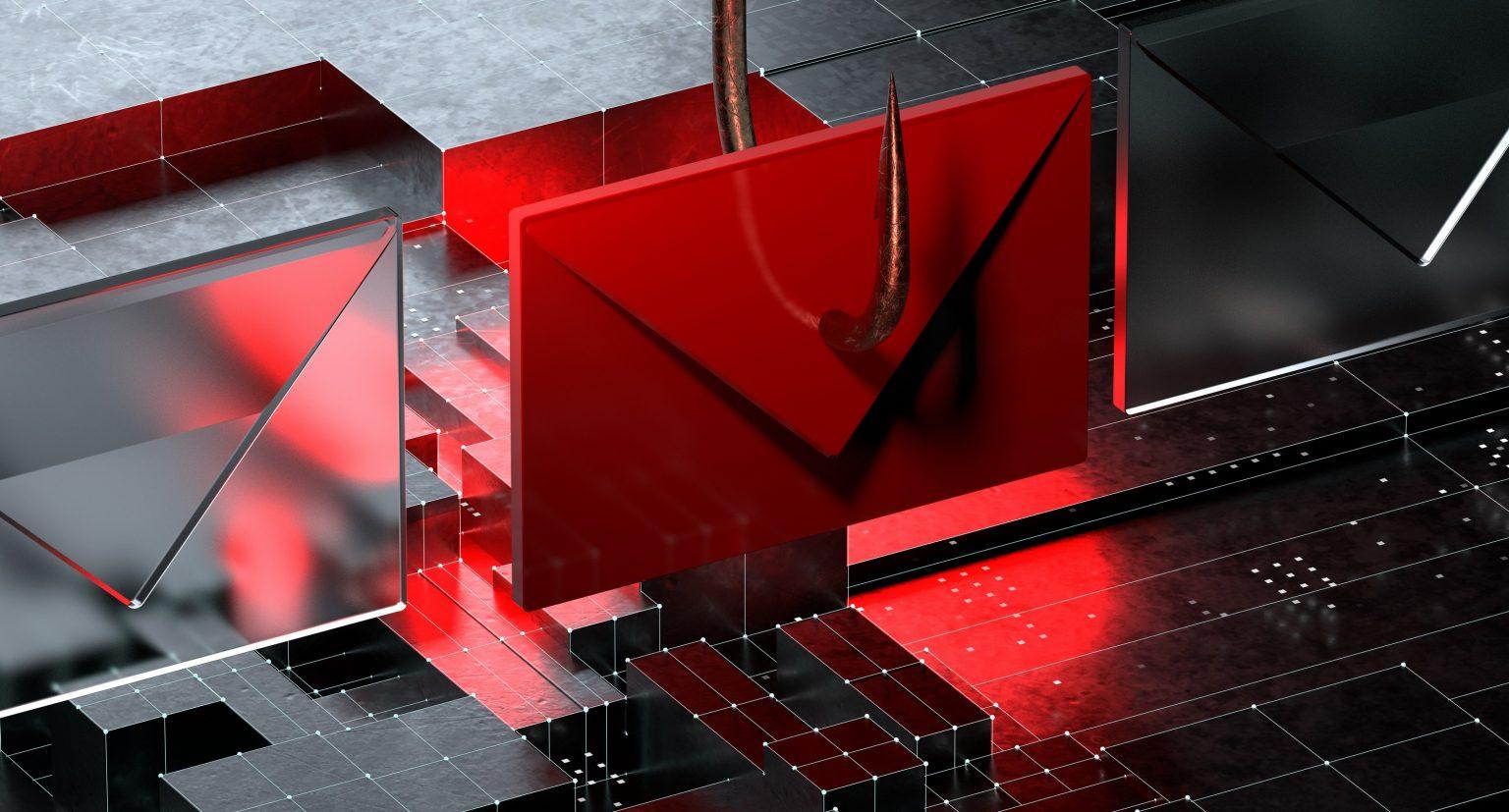
MQPOA ransomware primarily spreads through phishing emails containing malicious attachments or links. It may also be distributed via compromised websites, fake software updates, or bundled with other forms of malware. Once a user opens an infected file or clicks on a malicious link, the ransomware is installed on the system. In some cases, MQPOA can spread through network vulnerabilities, infecting multiple systems within the same network.

The consequences of an MQPOA infection are severe. Victims face not only financial losses due to ransom demands but also the potential loss of sensitive data, business disruption, and long-term system damage.

Symptoms of MQPOA Ransomware

Detecting the presence of MQPOA ransomware on your system can be challenging, but there are common signs that indicate an infection:

  1. Inaccessible files: Files are locked and display a new extension such as “.mqpoa.”
  2. Ransom note: A message is left on the desktop or in multiple folders, typically instructing the user to pay a ransom to regain access to their data.
  3. System slowdown: The encryption process can consume significant system resources, resulting in sluggish performance.
  4. Disabled security software: The ransomware may deactivate antivirus or other protective tools to prevent detection.

Detection Names

Security researchers and antivirus programs use various detection names to identify MQPOA ransomware. Some common detection names include:

  • Trojan.Ransom.MQPOA
  • Ransom.MQPOA.Gen
  • Ransom:Win32/MQPOA.A

Similar Ransomware Threats

Other ransomware variants that operate similarly to MQPOA include:

  • Locky ransomware: A widely known ransomware strain that appends the “.locky” extension to encrypted files.
  • Ryuk ransomware: Known for targeting businesses and demanding large ransoms.
  • Sodinokibi (REvil): A notorious ransomware group that often uses double extortion, threatening to release stolen data if the ransom isn’t paid.

Comprehensive MQPOA Ransomware Removal Guide

Removing MQPOA ransomware requires a careful, step-by-step process to ensure the infection is eradicated without causing further damage to your system.

  1. Disconnect from the Internet: Immediately isolate your computer by disconnecting from the internet to prevent further communication with the ransomware server.
  2. Enter Safe Mode: Reboot your system into Safe Mode. This can often prevent the ransomware from fully executing its malicious processes.
    • Restart your computer and press F8 (or hold Shift + Restart on Windows 10) to access the startup options.
    • Choose “Safe Mode with Networking.”
  3. Install Anti-Malware Software: Download and install a reliable anti-malware tool like SpyHunter. Use another device if necessary to download it and transfer it to the infected system using a USB drive. Perform a full system scan to detect and remove MQPOA ransomware and any related malware files.
  4. Use Decryption Tools: If available, use a decryption tool specifically designed to unlock files encrypted by MQPOA. However, not all ransomware strains have publicly available decryption tools.
  5. Restore from Backup: If you have previously created system backups, restore your files from a clean, unaffected backup source.
  6. Reinstall Operating System: In the worst-case scenario, you may need to completely wipe your system and reinstall the operating system to remove all traces of MQPOA.
Download SpyHunter 5
Download SpyHunter for Mac

Preventing Future Infections

  • Regular Backups: Regularly back up your data to external drives or cloud storage. This ensures that even if ransomware strikes, you can recover your files without paying the ransom.
  • Email Vigilance: Avoid opening attachments or clicking on links in suspicious or unsolicited emails.
  • Security Software: Always use trusted anti-malware software like SpyHunter to protect your system from ransomware and other malicious threats.
  • Keep Software Updated: Regularly update your operating system, browsers, and security software to patch vulnerabilities that can be exploited by ransomware.

SpyHunter is a powerful tool that helps detect and remove malware, including MQPOA ransomware. Download and scan your computer for free to ensure your system is clean and secure.

Download SpyHunter 5
Download SpyHunter for Mac

You Might Also Like

Xmegadrive.com Redirects
Itsfuck.top Adware
Trojan.IcedID.ANJ
Reprucally.co.in Hijacker
SnakeDiskUSB Worm
TAGGED:anti-malware toolsdetect MQPOA ransomwarefere scanfile encryption ransomwareFree ScanMalware removal guideMQPOA ransomwareMQPOA ransomware decryptionphishing ransomware preventionprevent ransomwareransomware attackransomware decryptionransomware detectionransomware encryptionransomware encryption .mqpoaransomware file recoveryransomware preventionransomware protectionransomware removalransomware removal guideransomware symptomsransomware threatransomware threatsremove MQPOA ransomwareSpyHunterSpyHunter free scanSpyHunter Malware Removal

Sign Up For Daily Newsletter

Be keep up! Get the latest breaking news delivered straight to your inbox.
By signing up, you agree to our Terms of Use and acknowledge the data practices in our Privacy Policy. You may unsubscribe at any time.
Share This Article
Facebook Copy Link Print
Share
Previous Article BetterConection.co.in Ads: The Basics and a Closer Look at Adware Threats
Next Article ATRADEST.COM Adware: A Form of Pervasive Malware
Leave a Comment

Leave a Reply Cancel reply

Your email address will not be published. Required fields are marked *

Scan Your System for Malware

Don’t leave your system unprotected. Download SpyHunter today for free, and scan your device for malware, scams, or any other potential threats. Stay Protected!

Download SpyHunter 5
Download SpyHunter for Mac
✅ Free Scan Available • ⭐ Catches malware instantly
//

Check in Daily for the best technology and Cybersecurity based content on the internet.

Quick Link

  • ABOUT US
  • TERMS AND SERVICES
  • SITEMAP
  • CONTACT US

Support

Sign Up for Our Newesletter

Subscribe to our newsletter to get our newest articles instantly!


www.itfunk.orgwww.itfunk.org
© 2023 www.itfunk.org. All Rights Reserved.
  • ABOUT US
  • TERMS AND SERVICES
  • SITEMAP
  • CONTACT US
Welcome Back!

Sign in to your account

Username or Email Address
Password

Lost your password?