












www.itfunk.orgwww.itfunk.orgwww.itfunk.org
  • Home
  • Tech News
    Tech NewsShow More
    Zero Trust: How a Security Idea Became a Blueprint
    41 Min Read
    Cybersecurity Law Expiration Could Unleash New Ransomware Surge – Former FBI Official Sounds the Alarm
    8 Min Read
    Under the Hood of Microsoft’s May 2025 Patch Tuesday: The CLFS and WinSock Problem Microsoft Can’t Seem to Fix
    7 Min Read
    The Hidden Sabotage: How Malicious Go Modules Quietly Crashed Linux Systems
    6 Min Read
    Agentic AI: The Next Frontier in Cybersecurity Defense and Risk​
    5 Min Read
  • Cyber Threats
    • Malware
    • Ransomware
    • Trojans
    • Adware
    • Browser Hijackers
    • Mac Malware
    • Android Threats
    • iPhone Threats
    • Potentially Unwanted Programs (PUPs)
    • Online Scams
    • Microsoft CVE Vulnerabilities
  • How To Guides
    How To GuidesShow More
    Tasksche.exe Malware
    Nviqri Someq Utils Unwanted Application
    4 Min Read
    How to Deal With Rbx.fund Scam
    4 Min Read
    How to Jailbreak DeepSeek: Unlocking AI Without Restrictions
    4 Min Read
    Why Streaming Services Geo-Restrict Content?
    10 Min Read
  • Product Reviews
    • Hardware
    • Software
  • IT/Cybersecurity Best Practices
    IT/Cybersecurity Best PracticesShow More
    Zero Trust: How a Security Idea Became a Blueprint
    41 Min Read
    Under the Hood of Microsoft’s May 2025 Patch Tuesday: The CLFS and WinSock Problem Microsoft Can’t Seem to Fix
    7 Min Read
    Affordable Endpoint Protection Platforms (EPP) for Small Businesses
    5 Min Read
    Outlaw Malware: A Persistent Threat Exploiting Linux Servers
    4 Min Read
    CVE-2024-48248: Critical NAKIVO Backup & Replication Flaw Actively Exploited—Patch Immediately
    6 Min Read
  • FREE SCAN
  • Cybersecurity for Business
Search
  • ABOUT US
  • TERMS AND SERVICES
  • SITEMAP
  • CONTACT US
© 2023 ITFunk.org. All Rights Reserved.
Reading: Cronus Ransomware: An Introduction
Share
Notification Show More
Font ResizerAa
www.itfunk.orgwww.itfunk.org
Font ResizerAa
  • Tech News
  • How To Guides
  • Cyber Threats
  • Product Reviews
  • Cybersecurity for Business
  • Free Scan
Search
  • Home
  • Tech News
  • Cyber Threats
    • Malware
    • Ransomware
    • Trojans
    • Adware
    • Browser Hijackers
    • Mac Malware
    • Android Threats
    • iPhone Threats
    • Potentially Unwanted Programs (PUPs)
    • Online Scams
  • How To Guides
  • Product Reviews
    • Hardware
    • Software
  • IT/Cybersecurity Best Practices
  • Cybersecurity for Business
  • FREE SCAN
Follow US
  • ABOUT US
  • TERMS AND SERVICES
  • SITEMAP
  • CONTACT US
© 2023 ITFunk.org All Rights Reserved.
www.itfunk.org > Blog > Cyber Threats > Malware > Cronus Ransomware: An Introduction
IT/Cybersecurity Best PracticesMalwareTrojans

Cronus Ransomware: An Introduction

itfunk_admin
Last updated: July 30, 2024 11:36 pm
itfunk_admin
Share
Cronus Ransomware: An Introduction
SHARE

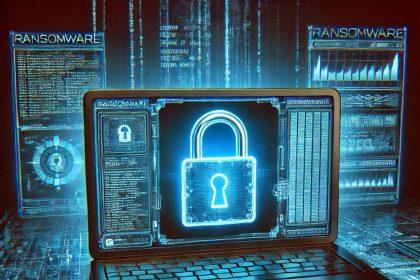
Ransomware is a type of malicious software designed to block access to a computer system or data until a sum of money is paid. This form of malware has become increasingly prevalent and sophisticated, targeting individuals and organizations alike. By encrypting files and demanding a ransom for the decryption key, ransomware can cause significant disruption and financial loss.

Contents
The Cronus Ransomware ThreatInstallation and OperationConsequences of InfectionRansom Note DetailsSymptoms of Cronus Ransomware InfectionDetection and Similar ThreatsComprehensive Removal GuidePreventing Future Infections

The Cronus Ransomware Threat

Cronus ransomware is one such threat that exemplifies the destructive potential of ransomware attacks. This specific malware operates by infiltrating a system, encrypting critical files, and demanding a ransom for their release.

Installation and Operation

Cronus ransomware typically gets installed on a system through deceptive methods, such as phishing emails with malicious attachments, compromised software downloads, or exploiting vulnerabilities in the system’s security. Once installed, it performs several actions to ensure its presence and efficacy:

  1. File Encryption: Cronus encrypts a wide range of files on the infected system, rendering them inaccessible to the user. The encrypted files often have a distinct extension added to their original filenames. For instance, a file named “document.docx” might be renamed to “document.docx.cronus” after encryption.
  2. Ransom Note Delivery: After encryption, Cronus drops a ransom note on the infected system, typically in the form of a text file or HTML document. This note contains instructions on how to pay the ransom and retrieve the decryption key. The note usually demands payment in cryptocurrency to maintain the anonymity of the attackers.

Consequences of Infection

The presence of Cronus ransomware on a system can have severe consequences:

  • Data Loss: Encrypted files become unusable without the decryption key, leading to potential loss of critical data.
  • Financial Loss: Victims may feel compelled to pay the ransom to regain access to their files, resulting in direct financial loss.
  • Operational Disruption: For businesses, ransomware can cause significant downtime and disrupt operations, impacting productivity and revenue.

Ransom Note Details

The ransom note left by Cronus is explicit in its demands and instructions. It typically includes:

  • A statement indicating that the files have been encrypted.
  • Instructions on how to obtain the decryption key. This often involves visiting a specific website or contacting the attackers via email.
  • Payment instructions, usually demanding cryptocurrency like Bitcoin for anonymity.
  • A warning about the consequences of not complying within a specified timeframe, such as the permanent deletion of the decryption key.

Symptoms of Cronus Ransomware Infection

Detecting the presence of Cronus ransomware on a system involves looking for specific symptoms, such as:

  • Inaccessibility of files: Files that have been encrypted and renamed with a new extension (e.g., .cronus).
  • Appearance of ransom notes: Text or HTML files with ransom demands.
  • System slowdowns: The encryption process may cause noticeable slowdowns or crashes.
  • Unauthorized network activity: Suspicious outbound traffic as the ransomware communicates with its command and control server.

Detection and Similar Threats

To determine if Cronus ransomware is installed on a system, users can look for detection names used by various anti-malware tools, such as:

  • Win32/Cronus.A!rfn
  • Ransom.Cronus
  • Trojan.Crypt.Cronus

Similar ransomware threats include:

  • WannaCry: Known for its rapid spread and significant impact on global systems.
  • Locky: A notorious ransomware that encrypts files and demands Bitcoin payments.
  • Petya: Encrypts the master boot record, rendering the entire system unusable without the decryption key.

Comprehensive Removal Guide

Removing Cronus ransomware requires a methodical approach. Here’s a step-by-step guide:

  1. Isolate the Infected System: Disconnect the infected device from the network to prevent the ransomware from spreading.
  2. Boot in Safe Mode: Restart the computer and press F8 or the appropriate key to enter Safe Mode.
  3. Use Anti-Malware Software: Download and install a reputable anti-malware tool like SpyHunter. Perform a full system scan to detect and remove Cronus ransomware.
  4. Restore Files from Backup: If you have a recent backup, restore your files from it. Ensure the backup is clean before restoring.
  5. Decrypt Files: If no backup is available, you might need to use decryption tools if they exist or seek professional help.

Preventing Future Infections

To protect your system from future ransomware attacks:

  • Keep Software Updated: Regularly update your operating system and all installed software to patch vulnerabilities.
  • Use Anti-Malware Tools: Install and maintain a reliable anti-malware tool like SpyHunter.
  • Regular Backups: Regularly back up your data to an external drive or cloud storage.
  • Be Cautious with Emails: Avoid opening attachments or clicking links in unsolicited emails.
  • Educate Users: Ensure that all users are aware of the dangers of ransomware and the importance of cybersecurity practices.

You Might Also Like

Xmegadrive.com Redirects
Itsfuck.top Adware
Trojan.IcedID.ANJ
Reprucally.co.in Hijacker
SnakeDiskUSB Worm
TAGGED:anti-malware toolCronus ransom noteCronus ransomwareCronus ransomware extensioncybersecurity tipsdecrypt Cronus filesdetect Cronus ransomwarefile encryption ransomwarehow to remove ransomwareMalware removal guideprevent ransomware attacksprotect against ransomwareransomware detectionransomware infection signsransomware protectionransomware removalransomware symptomsransomware threatsrestore encrypted filesSpyHunter download

Sign Up For Daily Newsletter

Be keep up! Get the latest breaking news delivered straight to your inbox.
By signing up, you agree to our Terms of Use and acknowledge the data practices in our Privacy Policy. You may unsubscribe at any time.
Share This Article
Facebook Copy Link Print
Share
Previous Article NodeResolution Adware: Removing Annoying Ads
Next Article BadPack Android Malware: A Growing Cyber Threat
Leave a Comment

Leave a Reply Cancel reply

Your email address will not be published. Required fields are marked *

Scan Your System for Malware

Don’t leave your system unprotected. Download SpyHunter today for free, and scan your device for malware, scams, or any other potential threats. Stay Protected!

Download SpyHunter 5
Download SpyHunter for Mac
✅ Free Scan Available • ⭐ Catches malware instantly
//

Check in Daily for the best technology and Cybersecurity based content on the internet.

Quick Link

  • ABOUT US
  • TERMS AND SERVICES
  • SITEMAP
  • CONTACT US

Support

Sign Up for Our Newesletter

Subscribe to our newsletter to get our newest articles instantly!


www.itfunk.orgwww.itfunk.org
© 2023 www.itfunk.org. All Rights Reserved.
  • ABOUT US
  • TERMS AND SERVICES
  • SITEMAP
  • CONTACT US
Welcome Back!

Sign in to your account

Username or Email Address
Password

Lost your password?