

















www.itfunk.orgwww.itfunk.orgwww.itfunk.org
  • Home
  • Tech News
    Tech NewsShow More
    Zero Trust: How a Security Idea Became a Blueprint
    41 Min Read
    Cybersecurity Law Expiration Could Unleash New Ransomware Surge – Former FBI Official Sounds the Alarm
    8 Min Read
    Under the Hood of Microsoft’s May 2025 Patch Tuesday: The CLFS and WinSock Problem Microsoft Can’t Seem to Fix
    7 Min Read
    The Hidden Sabotage: How Malicious Go Modules Quietly Crashed Linux Systems
    6 Min Read
    Agentic AI: The Next Frontier in Cybersecurity Defense and Risk​
    5 Min Read
  • Cyber Threats
    • Malware
    • Ransomware
    • Trojans
    • Adware
    • Browser Hijackers
    • Mac Malware
    • Android Threats
    • iPhone Threats
    • Potentially Unwanted Programs (PUPs)
    • Online Scams
    • Microsoft CVE Vulnerabilities
  • How To Guides
    How To GuidesShow More
    Tasksche.exe Malware
    Nviqri Someq Utils Unwanted Application
    4 Min Read
    How to Deal With Rbx.fund Scam
    4 Min Read
    How to Jailbreak DeepSeek: Unlocking AI Without Restrictions
    4 Min Read
    Why Streaming Services Geo-Restrict Content?
    10 Min Read
  • Product Reviews
    • Hardware
    • Software
  • IT/Cybersecurity Best Practices
    IT/Cybersecurity Best PracticesShow More
    Zero Trust: How a Security Idea Became a Blueprint
    41 Min Read
    Under the Hood of Microsoft’s May 2025 Patch Tuesday: The CLFS and WinSock Problem Microsoft Can’t Seem to Fix
    7 Min Read
    Affordable Endpoint Protection Platforms (EPP) for Small Businesses
    5 Min Read
    Outlaw Malware: A Persistent Threat Exploiting Linux Servers
    4 Min Read
    CVE-2024-48248: Critical NAKIVO Backup & Replication Flaw Actively Exploited—Patch Immediately
    6 Min Read
  • FREE SCAN
  • Cybersecurity for Business
Search
  • ABOUT US
  • TERMS AND SERVICES
  • SITEMAP
  • CONTACT US
© 2023 ITFunk.org. All Rights Reserved.
Reading: “Managed by Your Organization” Malware: A Comprehensive Guide to Detection, Removal, and Prevention
Share
Notification Show More
Font ResizerAa
www.itfunk.orgwww.itfunk.org
Font ResizerAa
  • Tech News
  • How To Guides
  • Cyber Threats
  • Product Reviews
  • Cybersecurity for Business
  • Free Scan
Search
  • Home
  • Tech News
  • Cyber Threats
    • Malware
    • Ransomware
    • Trojans
    • Adware
    • Browser Hijackers
    • Mac Malware
    • Android Threats
    • iPhone Threats
    • Potentially Unwanted Programs (PUPs)
    • Online Scams
  • How To Guides
  • Product Reviews
    • Hardware
    • Software
  • IT/Cybersecurity Best Practices
  • Cybersecurity for Business
  • FREE SCAN
Follow US
  • ABOUT US
  • TERMS AND SERVICES
  • SITEMAP
  • CONTACT US
© 2023 ITFunk.org All Rights Reserved.
www.itfunk.org > Blog > Cyber Threats > Browser Hijackers > “Managed by Your Organization” Malware: A Comprehensive Guide to Detection, Removal, and Prevention
Browser HijackersIT/Cybersecurity Best PracticesMalware

“Managed by Your Organization” Malware: A Comprehensive Guide to Detection, Removal, and Prevention

ITFunk Research
Last updated: June 19, 2024 5:45 pm
ITFunk Research
Share
malware, adware
"Managed by Your Organization" Malware: A Comprehensive Guide to Detection, Removal, and Prevention
SHARE

The “Managed by Your Organization” malware has emerged as a significant concern for many users. This malicious software alters browser settings, making it appear as though certain configurations are controlled by an organization. This deceptive practice can lead to a host of security and privacy issues, making it crucial to understand the nature of this threat, its potential consequences, and the steps necessary to remove it and prevent future infections.

Contents
Understanding the “Managed by Your Organization” MalwareActions and Consequences of the MalwareDetection Names and Similar ThreatsComprehensive Removal GuideStep 1: Reset Browser SettingsStep 2: Remove Suspicious ExtensionsStep 3: Check and Remove Malicious ProgramsStep 4: Edit Windows Registry (Advanced)Best Practices for Preventing Future Infections

Understanding the “Managed by Your Organization” Malware

The “Managed by Your Organization” malware is a browser hijacker that typically targets Google Chrome, but can also affect other browsers. It manipulates the browser’s settings and introduces policies that can redirect users to potentially harmful websites, display intrusive ads, and compromise the overall browsing experience. This malware often disguises itself under the guise of legitimate browser management, making detection challenging for the average user.

Actions and Consequences of the Malware

Once installed, the “Managed by Your Organization” malware can perform several actions that compromise the security and functionality of the affected browser:

  1. Altered Browser Settings: The malware modifies various browser settings, including the homepage, search engine, and new tab page. These changes are locked and presented as policies managed by an organization, making manual adjustments difficult.
  2. Redirects and Pop-ups: Users may experience frequent redirects to dubious websites and an increase in pop-up advertisements, which can lead to further infections or expose sensitive information.
  3. Data Collection: The malware can collect browsing data, including search queries, visited websites, and potentially sensitive personal information. This data is often sold to third parties or used for targeted advertising.
  4. System Performance: The presence of this malware can slow down the browser and overall system performance, leading to a frustrating user experience.

Detection Names and Similar Threats

The “Managed by Your Organization” malware is recognized by various names depending on the security software detecting it. Some common detection names include:

  • BrowserModifier:Win32/SettingsModifier
  • PUA:Win32/BrowserHijack
  • Adware/BrowserHijack

Similar threats that operate in a comparable manner include:

  • Conduit Search: A browser hijacker that changes browser settings to conduit.com.
  • Ask Toolbar: A potentially unwanted program that modifies the default search engine and homepage.
  • MyWay Search: A browser hijacker that redirects searches and alters browser settings.

Comprehensive Removal Guide

Step 1: Reset Browser Settings

  1. Google Chrome:
    • Open Chrome and click on the three-dot menu in the upper-right corner.
    • Select “Settings” and scroll down to “Advanced”.
    • Under “Reset and clean up”, click “Restore settings to their original defaults”.
    • Confirm by clicking “Reset settings”.
  2. Mozilla Firefox:
    • Click the menu button (three horizontal lines) and select “Help”.
    • Choose “Troubleshooting Information”.
    • Click “Refresh Firefox” and confirm.
  3. Microsoft Edge:
    • Open Edge and click the three-dot menu.
    • Select “Settings” > “Reset settings”.
    • Click “Restore settings to their default values” and confirm by clicking “Reset”.

Step 2: Remove Suspicious Extensions

  1. Google Chrome:
    • Open Chrome and click the three-dot menu.
    • Go to “More tools” > “Extensions”.
    • Locate and remove any suspicious extensions by clicking “Remove”.
  2. Mozilla Firefox:
    • Click the menu button and select “Add-ons”.
    • Go to “Extensions” and remove any unwanted extensions.
  3. Microsoft Edge:
    • Open Edge and click the three-dot menu.
    • Go to “Extensions” and remove any suspicious extensions.

Step 3: Check and Remove Malicious Programs

  1. Windows:
    • Open “Control Panel” and go to “Programs and Features”.
    • Look for any unfamiliar programs, right-click, and select “Uninstall”.
  2. Mac:
    • Open “Finder” and go to the “Applications” folder.
    • Look for any unfamiliar applications and move them to the Trash.

Step 4: Edit Windows Registry (Advanced)

  • Press Win + R, type regedit, and press Enter.
  • Navigate to HKEY_LOCAL_MACHINE\SOFTWARE\Policies\Google\Chrome.
  • Delete the “Chrome” key if it exists.
  • Navigate to HKEY_CURRENT_USER\Software\Policies\Google\Chrome and delete the “Chrome” key if it exists.
  • Restart your computer to apply changes.

Best Practices for Preventing Future Infections

  1. Regular Updates: Keep your operating system and all software, especially your web browser, up to date with the latest security patches.
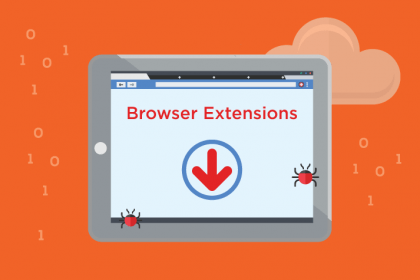
  2. Browser Extensions: Be cautious when installing browser extensions. Only use extensions from trusted sources and check user reviews.
  3. Downloads: Avoid downloading software from unofficial or suspicious websites. Always download from the official website or a reputable source.
  4. Security Software: Use reputable antivirus and anti-malware software to regularly scan your computer for threats.
  5. Phishing Awareness: Be wary of clicking on links or downloading attachments from unknown or unsolicited emails.

By following this guide, users can effectively remove the “Managed by Your Organization” malware and take steps to protect their systems from similar threats in the future. Staying informed and vigilant is key to maintaining a secure and efficient digital environment.

You Might Also Like

Xmegadrive.com Redirects
Itsfuck.top Adware
Trojan.IcedID.ANJ
Reprucally.co.in Hijacker
SnakeDiskUSB Worm
TAGGED:"Managed by Your Organization" malwarebrowser hijacker removalbrowser settings altered malwarebrowser settings resetcybersecurity threatdata collection malwareGoogle Chrome hijackermalicious programs removalmalware infection preventionphishing awarenessremove browser malware

Sign Up For Daily Newsletter

Be keep up! Get the latest breaking news delivered straight to your inbox.
By signing up, you agree to our Terms of Use and acknowledge the data practices in our Privacy Policy. You may unsubscribe at any time.
Share This Article
Facebook Copy Link Print
Share
Previous Article Metogthr.com Ads: Threat Analysis and Removal Guide
Next Article cybersecurity, malware removal, ransomware protection, antivirus software, phishing attack, spyware detection, trojan virus, online security, endpoint protection, data breach, network security, adware removal, identity theft prevention, computer virus, cybersecurity threats, zero-day exploit, firewall protection, cyber attack, internet safety, malware scanner, secure browsing, malicious software, virus protection, threat detection, information security, security breach, encrypted malware, cybersecurity tools, system vulnerability, push notification scam, browser hijacker, notification spam, adware infection removal, mobile adware attack, desktop spam ads, Fecullan.co.in Ads: A Comprehensive Guide to Securing Your System
Leave a Comment

Leave a Reply Cancel reply

Your email address will not be published. Required fields are marked *

Scan Your System for Malware

Don’t leave your system unprotected. Download SpyHunter today for free, and scan your device for malware, scams, or any other potential threats. Stay Protected!

Download SpyHunter 5
Download SpyHunter for Mac
✅ Free Scan Available • ⭐ Catches malware instantly
//

Check in Daily for the best technology and Cybersecurity based content on the internet.

Quick Link

  • ABOUT US
  • TERMS AND SERVICES
  • SITEMAP
  • CONTACT US

Support

Sign Up for Our Newesletter

Subscribe to our newsletter to get our newest articles instantly!


www.itfunk.orgwww.itfunk.org
© 2023 www.itfunk.org. All Rights Reserved.
  • ABOUT US
  • TERMS AND SERVICES
  • SITEMAP
  • CONTACT US
Welcome Back!

Sign in to your account

Username or Email Address
Password

Lost your password?