















www.itfunk.orgwww.itfunk.orgwww.itfunk.org
  • Home
  • Tech News
    Tech NewsShow More
    Zero Trust: How a Security Idea Became a Blueprint
    41 Min Read
    Cybersecurity Law Expiration Could Unleash New Ransomware Surge – Former FBI Official Sounds the Alarm
    8 Min Read
    Under the Hood of Microsoft’s May 2025 Patch Tuesday: The CLFS and WinSock Problem Microsoft Can’t Seem to Fix
    7 Min Read
    The Hidden Sabotage: How Malicious Go Modules Quietly Crashed Linux Systems
    6 Min Read
    Agentic AI: The Next Frontier in Cybersecurity Defense and Risk​
    5 Min Read
  • Cyber Threats
    • Malware
    • Ransomware
    • Trojans
    • Adware
    • Browser Hijackers
    • Mac Malware
    • Android Threats
    • iPhone Threats
    • Potentially Unwanted Programs (PUPs)
    • Online Scams
    • Microsoft CVE Vulnerabilities
  • How To Guides
    How To GuidesShow More
    Tasksche.exe Malware
    Nviqri Someq Utils Unwanted Application
    4 Min Read
    How to Deal With Rbx.fund Scam
    4 Min Read
    How to Jailbreak DeepSeek: Unlocking AI Without Restrictions
    4 Min Read
    Why Streaming Services Geo-Restrict Content?
    10 Min Read
  • Product Reviews
    • Hardware
    • Software
  • IT/Cybersecurity Best Practices
    IT/Cybersecurity Best PracticesShow More
    Zero Trust: How a Security Idea Became a Blueprint
    41 Min Read
    Under the Hood of Microsoft’s May 2025 Patch Tuesday: The CLFS and WinSock Problem Microsoft Can’t Seem to Fix
    7 Min Read
    Affordable Endpoint Protection Platforms (EPP) for Small Businesses
    5 Min Read
    Outlaw Malware: A Persistent Threat Exploiting Linux Servers
    4 Min Read
    CVE-2024-48248: Critical NAKIVO Backup & Replication Flaw Actively Exploited—Patch Immediately
    6 Min Read
  • FREE SCAN
  • Cybersecurity for Business
Search
  • ABOUT US
  • TERMS AND SERVICES
  • SITEMAP
  • CONTACT US
© 2023 ITFunk.org. All Rights Reserved.
Reading: MalwareMage Ransomware: A Comprehensive Guide to Understanding and Removing the Threat
Share
Notification Show More
Font ResizerAa
www.itfunk.orgwww.itfunk.org
Font ResizerAa
  • Tech News
  • How To Guides
  • Cyber Threats
  • Product Reviews
  • Cybersecurity for Business
  • Free Scan
Search
  • Home
  • Tech News
  • Cyber Threats
    • Malware
    • Ransomware
    • Trojans
    • Adware
    • Browser Hijackers
    • Mac Malware
    • Android Threats
    • iPhone Threats
    • Potentially Unwanted Programs (PUPs)
    • Online Scams
  • How To Guides
  • Product Reviews
    • Hardware
    • Software
  • IT/Cybersecurity Best Practices
  • Cybersecurity for Business
  • FREE SCAN
Follow US
  • ABOUT US
  • TERMS AND SERVICES
  • SITEMAP
  • CONTACT US
© 2023 ITFunk.org All Rights Reserved.
www.itfunk.org > Blog > Cyber Threats > Malware > MalwareMage Ransomware: A Comprehensive Guide to Understanding and Removing the Threat
IT/Cybersecurity Best PracticesMalwareRansomware

MalwareMage Ransomware: A Comprehensive Guide to Understanding and Removing the Threat

ITFunk Research
Last updated: June 11, 2024 3:52 pm
ITFunk Research
Share
MalwareMage Ransomware: A Comprehensive Guide to Understanding and Removing the Threat
SHARE

Ransomware continues to be a significant cybersecurity threat, with attackers constantly developing new variants to exploit unsuspecting victims. One such variant, MalwareMage ransomware, has gained attention for its insidious methods and devastating consequences. This article delves into the details of MalwareMage ransomware, its actions and repercussions, detection names, similar threats, and offers a thorough guide for removal and prevention.

Contents
Understanding MalwareMage RansomwareActions and ConsequencesMage Ransomware Ransom NoteDetection Names and Similar ThreatsRemoval GuideStep 1: Isolate the Infected SystemStep 2: Boot into Safe ModeStep 3: Delete Temporary FilesStep 4: Identify and Terminate Malicious ProcessesStep 5: Remove Ransomware FilesStep 6: Restore from BackupStep 7: Use Decryption ToolsStep 8: Update and Scan with Antivirus SoftwareBest Practices for Preventing Future Infections

Understanding MalwareMage Ransomware

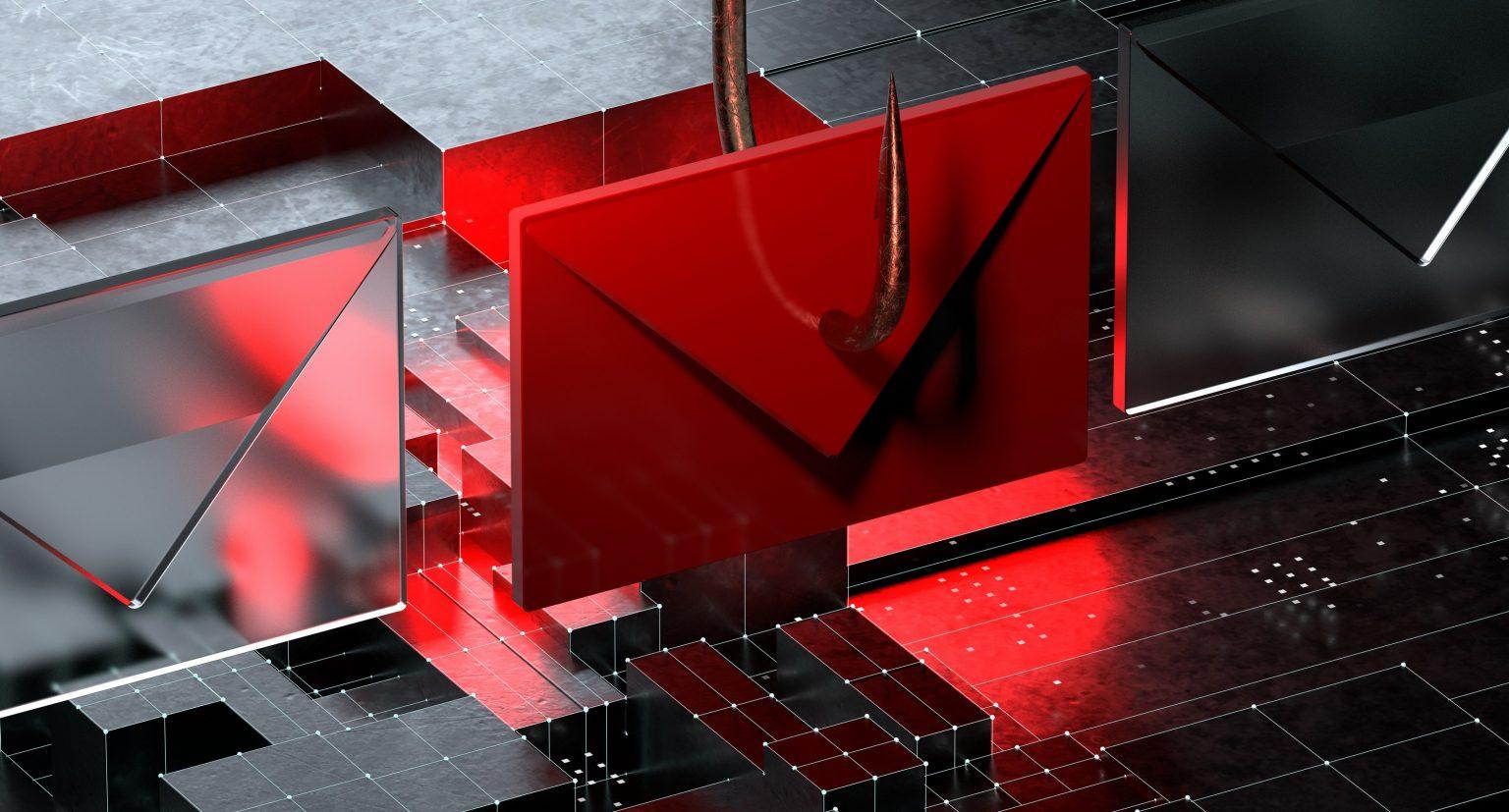
MalwareMage ransomware is a type of malicious software designed to encrypt files on the victim’s computer, rendering them inaccessible until a ransom is paid. Typically distributed through phishing emails, malicious downloads, or exploit kits, MalwareMage can infiltrate systems through various vulnerabilities.

Actions and Consequences

Once MalwareMage ransomware infiltrates a system, it initiates a series of malicious actions:

  1. Encryption of Files: MalwareMage scans the system for commonly used file types, including documents, images, videos, and databases, and encrypts them using a strong encryption algorithm.
  2. Ransom Note: After encryption, the ransomware drops a ransom note on the victim’s desktop and other affected folders. This note provides instructions on how to pay the ransom, often demanding payment in cryptocurrency to ensure anonymity.
  3. Threats and Deadlines: The ransom note typically includes threats of permanent data loss if the ransom is not paid within a specified timeframe. Some variants may also threaten to increase the ransom amount or delete files incrementally if payment is delayed.
  4. System Modifications: MalwareMage may alter system settings, disable antivirus programs, and create persistence mechanisms to ensure it remains active and difficult to remove.

The consequences of a MalwareMage ransomware attack can be severe:

  • Data Loss: Victims lose access to critical files, leading to potential data loss if backups are unavailable.
  • Financial Loss: Paying the ransom can be costly, and there’s no guarantee that attackers will provide the decryption key.
  • Downtime: Businesses can suffer significant operational downtime, affecting productivity and revenue.
  • Reputation Damage: A ransomware attack can damage an organization’s reputation, especially if sensitive data is compromised.

Mage Ransomware Ransom Note

The ransom note generated by the Mage Ransomware reads:

‘Malware Mage
YOUR FILES HAVE BEEN ENCRYPTED!

The important files on your computer have been encrypted with military grade AES-256 bit encryption.

Your documents, videos, images and other forms of data are now inaccessible, and cannot be unlocked without the decryption key. This key is currently being stored on a remote server.

To acquire this key, transfer the Bitcoin Fee to the specified wallet address before the time runs out.

If you fail to take action within this time window, the decryption key will be destroyed and access to your files will be permanently lost.

WALLET ADDRESS: 12mdKVNfAhLbRDLtRWQFhQgydgU6bUMjay
BITCOIN FEE: 0.08134′

Detection Names and Similar Threats

Cybersecurity companies use various detection names for MalwareMage ransomware. Some common names include:

  • Ransom:Win32/MalwareMage
  • Trojan-Ransom.MSIL.MalwareMage
  • Mal/Mage-R

Similar ransomware threats include:

  • Ryuk: Known for targeting large organizations and demanding high ransoms.
  • Dharma: A ransomware family with numerous variants, often spread through compromised RDP connections.
  • Sodinokibi (REvil): Notorious for its double extortion tactics, threatening to release stolen data if the ransom is not paid.

Removal Guide

Step 1: Isolate the Infected System

Immediately disconnect the infected system from the network to prevent the ransomware from spreading to other devices. If possible, turn off Wi-Fi, unplug network cables, and disable any shared drives.

Step 2: Boot into Safe Mode

Reboot the system in Safe Mode to prevent MalwareMage ransomware from running. For Windows:

  1. Restart the computer.
  2. Press and hold the F8 key during startup until the Advanced Boot Options menu appears.
  3. Select Safe Mode with Networking and press Enter.

Step 3: Delete Temporary Files

Deleting temporary files can help remove some of the malicious files associated with the ransomware:

  1. Open the Start menu and type Disk Cleanup.
  2. Select the drive you want to clean (typically the C: drive).
  3. Check the boxes for Temporary files and other unnecessary files, then click OK and Delete Files.

Step 4: Identify and Terminate Malicious Processes

Use Task Manager to identify and terminate suspicious processes:

  1. Press Ctrl + Shift + Esc to open Task Manager.
  2. Look for unfamiliar or suspicious processes (you can search online for any process you do not recognize).
  3. Right-click the suspicious process and select End Task.

Step 5: Remove Ransomware Files

Search for and delete the ransomware files manually:

  1. Open File Explorer and navigate to common locations where ransomware files may reside (e.g., Downloads, Desktop, AppData, Temp).
  2. Delete any files or folders associated with MalwareMage ransomware.
  3. Check for any suspicious files in startup locations (C:\ProgramData\Microsoft\Windows\Start Menu\Programs\Startup and C:\Users\[Username]\AppData\Roaming\Microsoft\Windows\Start Menu\Programs\Startup).

Step 6: Restore from Backup

If you have a recent backup, restore your files to recover any encrypted data. Ensure the backup is clean and not infected before restoring.

Step 7: Use Decryption Tools

Search for a decryption tool specific to MalwareMage ransomware. Cybersecurity organizations and antivirus vendors often release free decryption tools for known ransomware variants.

Step 8: Update and Scan with Antivirus Software

Ensure your antivirus software is up to date and perform a full system scan to remove any remaining malicious files. Enable real-time protection to prevent future infections.

Best Practices for Preventing Future Infections

  1. Regular Backups: Regularly back up your data to an external drive or cloud service. Ensure backups are not connected to your network.
  2. Security Updates: Keep your operating system, software, and antivirus programs up to date with the latest security patches.
  3. Email Security: Be cautious with email attachments and links, especially from unknown senders. Use email filtering solutions to block phishing attempts.
  4. User Education: Educate employees and users about the risks of ransomware and safe online practices.
  5. Access Controls: Implement strict access controls and limit administrative privileges to reduce the attack surface.
  6. Network Segmentation: Segment your network to contain potential infections and prevent lateral movement.
  7. Incident Response Plan: Develop and regularly update an incident response plan to quickly address and mitigate ransomware attacks.

By following these steps and best practices, you can significantly reduce the risk of ransomware infections and protect your valuable data from threats like MalwareMage ransomware.

You Might Also Like

Hardware Security Modules (HSM): A Critical Layer of Cybersecurity for Businesses
Xmegadrive.com Redirects
Itsfuck.top Adware
Trojan.IcedID.ANJ
Reprucally.co.in Hijacker
TAGGED:Cybersecurity threatsdata encryptionMalwareMalwareMage ransomwareRansomwareransomware backupransomware decryptionransomware detectionransomware preventionransomware protectionransomware recoveryransomware removal

Sign Up For Daily Newsletter

Be keep up! Get the latest breaking news delivered straight to your inbox.
By signing up, you agree to our Terms of Use and acknowledge the data practices in our Privacy Policy. You may unsubscribe at any time.
Share This Article
Facebook Copy Link Print
Share
Previous Article Search.8ing.co Redirect: Removal Guide and Prevention
Next Article cybersecurity, malware removal, ransomware protection, antivirus software, phishing attack, spyware detection, trojan virus, online security, endpoint protection, data breach, network security, adware removal, identity theft prevention, computer virus, cybersecurity threats, zero-day exploit, firewall protection, cyber attack, internet safety, malware scanner, secure browsing, malicious software, virus protection, threat detection, information security, security breach, encrypted malware, cybersecurity tools, system vulnerability, push notification scam, browser hijacker, notification spam, adware infection removal, mobile adware attack, desktop spam ads, Theamovies.com Ads Malware
Leave a Comment

Leave a Reply Cancel reply

Your email address will not be published. Required fields are marked *

Scan Your System for Malware

Don’t leave your system unprotected. Download SpyHunter today for free, and scan your device for malware, scams, or any other potential threats. Stay Protected!

Download SpyHunter 5
Download SpyHunter for Mac
✅ Free Scan Available • ⭐ Catches malware instantly
//

Check in Daily for the best technology and Cybersecurity based content on the internet.

Quick Link

  • ABOUT US
  • TERMS AND SERVICES
  • SITEMAP
  • CONTACT US

Support

Sign Up for Our Newesletter

Subscribe to our newsletter to get our newest articles instantly!


www.itfunk.orgwww.itfunk.org
© 2023 www.itfunk.org. All Rights Reserved.
  • ABOUT US
  • TERMS AND SERVICES
  • SITEMAP
  • CONTACT US
Welcome Back!

Sign in to your account

Username or Email Address
Password

Lost your password?