




www.itfunk.orgwww.itfunk.orgwww.itfunk.org
  • Home
  • Tech News
    Tech NewsShow More
    Zero Trust: How a Security Idea Became a Blueprint
    41 Min Read
    Cybersecurity Law Expiration Could Unleash New Ransomware Surge – Former FBI Official Sounds the Alarm
    8 Min Read
    Under the Hood of Microsoft’s May 2025 Patch Tuesday: The CLFS and WinSock Problem Microsoft Can’t Seem to Fix
    7 Min Read
    The Hidden Sabotage: How Malicious Go Modules Quietly Crashed Linux Systems
    6 Min Read
    Agentic AI: The Next Frontier in Cybersecurity Defense and Risk​
    5 Min Read
  • Cyber Threats
    • Malware
    • Ransomware
    • Trojans
    • Adware
    • Browser Hijackers
    • Mac Malware
    • Android Threats
    • iPhone Threats
    • Potentially Unwanted Programs (PUPs)
    • Online Scams
    • Microsoft CVE Vulnerabilities
  • How To Guides
    How To GuidesShow More
    Tasksche.exe Malware
    Nviqri Someq Utils Unwanted Application
    4 Min Read
    How to Deal With Rbx.fund Scam
    4 Min Read
    How to Jailbreak DeepSeek: Unlocking AI Without Restrictions
    4 Min Read
    Why Streaming Services Geo-Restrict Content?
    10 Min Read
  • Product Reviews
    • Hardware
    • Software
  • IT/Cybersecurity Best Practices
    IT/Cybersecurity Best PracticesShow More
    Zero Trust: How a Security Idea Became a Blueprint
    41 Min Read
    Under the Hood of Microsoft’s May 2025 Patch Tuesday: The CLFS and WinSock Problem Microsoft Can’t Seem to Fix
    7 Min Read
    Affordable Endpoint Protection Platforms (EPP) for Small Businesses
    5 Min Read
    Outlaw Malware: A Persistent Threat Exploiting Linux Servers
    4 Min Read
    CVE-2024-48248: Critical NAKIVO Backup & Replication Flaw Actively Exploited—Patch Immediately
    6 Min Read
  • FREE SCAN
  • Cybersecurity for Business
Search
  • ABOUT US
  • TERMS AND SERVICES
  • SITEMAP
  • CONTACT US
© 2023 ITFunk.org. All Rights Reserved.
Reading: 14mrxnsqhq7lqsfkpmsesdjsepfdymcmmg Malware
Share
Notification Show More
Font ResizerAa
www.itfunk.orgwww.itfunk.org
Font ResizerAa
  • Tech News
  • How To Guides
  • Cyber Threats
  • Product Reviews
  • Cybersecurity for Business
  • Free Scan
Search
  • Home
  • Tech News
  • Cyber Threats
    • Malware
    • Ransomware
    • Trojans
    • Adware
    • Browser Hijackers
    • Mac Malware
    • Android Threats
    • iPhone Threats
    • Potentially Unwanted Programs (PUPs)
    • Online Scams
  • How To Guides
  • Product Reviews
    • Hardware
    • Software
  • IT/Cybersecurity Best Practices
  • Cybersecurity for Business
  • FREE SCAN
Follow US
  • ABOUT US
  • TERMS AND SERVICES
  • SITEMAP
  • CONTACT US
© 2023 ITFunk.org All Rights Reserved.
www.itfunk.org > Blog > Cyber Threats > Malware > 14mrxnsqhq7lqsfkpmsesdjsepfdymcmmg Malware
IT/Cybersecurity Best PracticesMalwareTrojans

14mrxnsqhq7lqsfkpmsesdjsepfdymcmmg Malware

ITFunk Research
Last updated: May 28, 2024 6:55 pm
ITFunk Research
Share
14mrxnsqhq7lqsfkpmsesdjsepfdymcmmg Malware
SHARE

14mrxnsqhq7lqsfkpmsesdjsepfdymcmmg malware represents a significant danger to both individual users and organizations. This malicious software, part of a broader category of harmful programs, can infiltrate systems, compromise sensitive data, and disrupt normal operations. Understanding the nature of this malware, its effects, and how to effectively remove it is crucial for maintaining cybersecurity.

Contents
Actions and Consequences of the MalwareDetection Names for the MalwareSimilar ThreatsThorough Removal GuideStep 1: Disconnect from the InternetStep 2: Boot into Safe ModeStep 3: Terminate Malicious ProcessesStep 4: Delete Temporary FilesStep 5: Remove Malware from System FilesStep 6: Use Windows DefenderStep 7: Restore from BackupStep 8: Reconnect to the Internet and Update SoftwareBest Practices for Preventing Future Infections

Actions and Consequences of the Malware

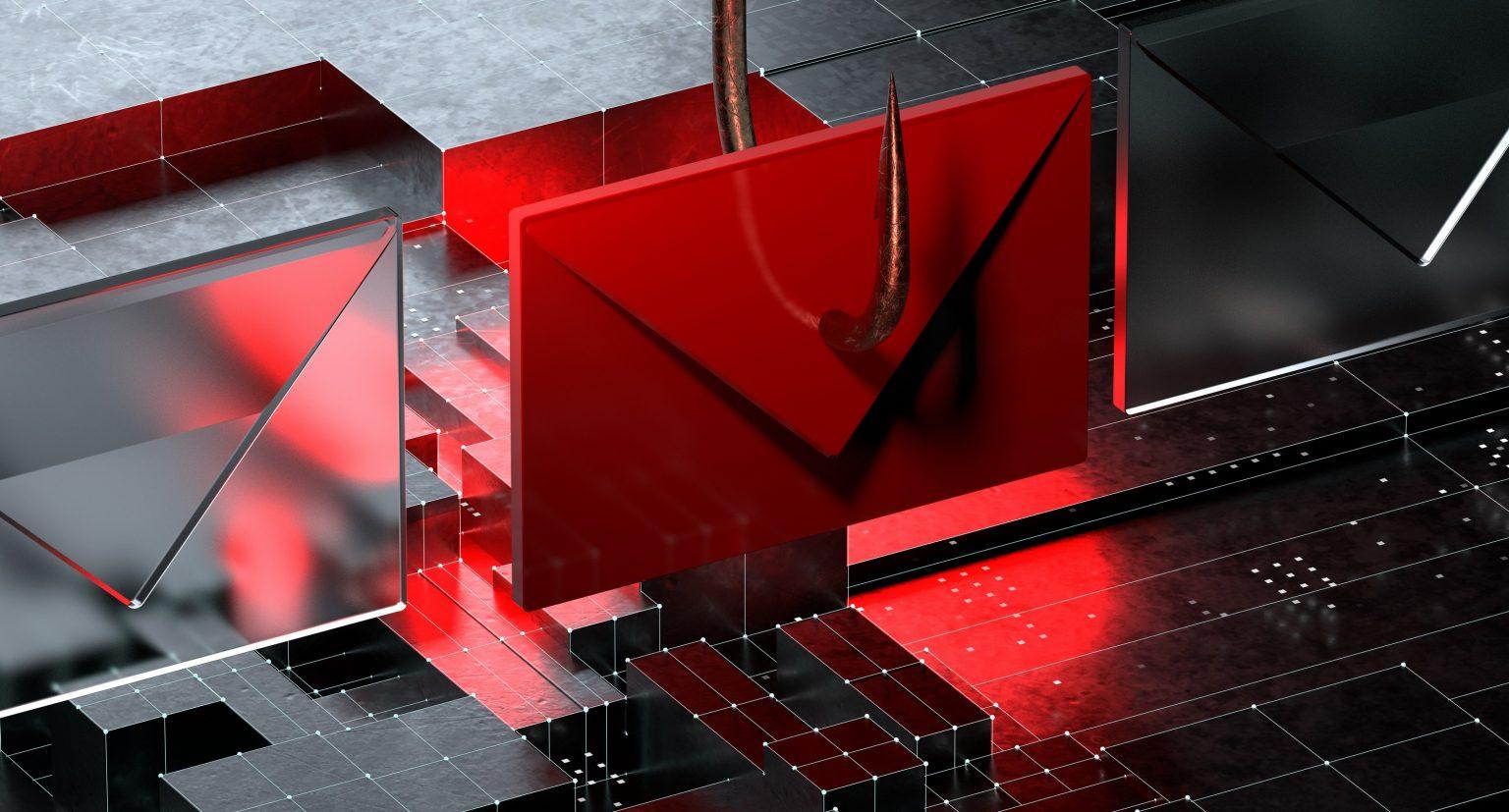
The 14mrxnsqhq7lqsfkpmsesdjsepfdymcmmg malware operates stealthily, often entering systems through phishing emails, malicious downloads, or security vulnerabilities in outdated software. Once inside, it can perform a variety of harmful actions, including:

  1. Data Theft: The malware can harvest personal information, login credentials, financial data, and other sensitive information, which can then be used for identity theft or sold on the dark web.
  2. System Disruption: It may interfere with system operations, leading to slow performance, frequent crashes, or the inability to access certain programs or files.
  3. Unauthorized Access: The malware can create backdoors, allowing cybercriminals to remotely access and control the infected system.
  4. Spreading Infection: It can propagate itself to other systems on the same network, increasing the scope of the damage.

The consequences of these actions can be severe, ranging from financial loss and privacy violations to significant downtime and damage to an organization’s reputation.

Detection Names for the Malware

Security vendors often assign different names to the same malware. Some of the detection names for 14mrxnsqhq7lqsfkpmsesdjsepfdymcmmg include:

  • Trojan.Win32.Generic
  • Backdoor.MSIL.Agent
  • Malware.GenericKD.33692237
  • Trojan:Win32/Occamy.C

These varied names reflect the diverse methods used by different cybersecurity companies to identify and categorize threats.

Similar Threats

Other similar malware threats that users should be aware of include:

  • Emotet: A notorious banking Trojan that can steal sensitive information and act as a delivery mechanism for other malware.
  • TrickBot: Initially a banking Trojan, TrickBot has evolved into a modular malware used for a variety of malicious purposes.
  • Ryuk: A ransomware that encrypts files on the infected system, demanding a ransom payment for decryption.
  • Zeus: A Trojan horse malware that targets Windows systems, primarily for financial fraud.

Thorough Removal Guide

Removing the 14mrxnsqhq7lqsfkpmsesdjsepfdymcmmg malware involves several critical steps:

Step 1: Disconnect from the Internet

To prevent further data theft or malware communication, disconnect your computer from the internet. This limits the malware’s ability to spread or receive commands from its controller.

Step 2: Boot into Safe Mode

  1. Restart your computer.
  2. Press F8 (or the designated key for your system) before Windows starts to load.
  3. Select “Safe Mode with Networking” from the Advanced Boot Options menu.

Step 3: Terminate Malicious Processes

  1. Press Ctrl+Shift+Esc to open the Task Manager.
  2. Look for suspicious processes that could be associated with the malware. Common signs include unfamiliar names or processes consuming excessive resources.
  3. Right-click on these processes and select “End Task.”

Step 4: Delete Temporary Files

  1. Press Win+R, type temp, and press Enter.
  2. Delete all files in the temporary folder.
  3. Repeat with %temp% and C:\Windows\Temp.

Step 5: Remove Malware from System Files

  1. Open the Run dialog by pressing Win+R, type regedit, and press Enter.
  2. Navigate to HKEY_CURRENT_USER\Software and HKEY_LOCAL_MACHINE\SOFTWARE.
  3. Look for suspicious entries that could be linked to the malware and delete them.

Step 6: Use Windows Defender

  1. Open Windows Security by clicking the shield icon in the taskbar.
  2. Go to “Virus & threat protection.”
  3. Click “Quick scan” and wait for the scan to complete. For a more thorough scan, select “Full scan.”

Step 7: Restore from Backup

If the above steps do not completely remove the malware, restoring your system from a backup made prior to the infection may be necessary.

Step 8: Reconnect to the Internet and Update Software

Once the malware is removed, reconnect to the internet and ensure all your software, including the operating system, is up-to-date to close any security vulnerabilities.

Best Practices for Preventing Future Infections

  1. Keep Software Updated: Regularly update your operating system, browsers, and other software to protect against known vulnerabilities.
  2. Use Strong Passwords: Employ complex passwords and change them regularly. Consider using a password manager.
  3. Be Cautious with Emails: Avoid opening attachments or clicking links in unsolicited emails. Verify the sender’s identity before interacting.
  4. Regular Backups: Maintain regular backups of important data and store them in a secure, offline location.
  5. Enable Firewalls: Use a firewall to monitor incoming and outgoing traffic and block suspicious activity.
  6. Educate Users: Ensure all users understand the basics of cybersecurity and the importance of following best practices.

By following these steps and best practices, users can effectively combat the 14mrxnsqhq7lqsfkpmsesdjsepfdymcmmg malware and enhance their overall cybersecurity posture.

You Might Also Like

Xmegadrive.com Redirects
Itsfuck.top Adware
Trojan.IcedID.ANJ
Reprucally.co.in Hijacker
SnakeDiskUSB Worm
TAGGED:14mrxnsqhq7lqsfkpmsesdjsepfdymcmmg malwareCyber ThreatcybersecurityData theftMalicious processesMalware Detectionmalware preventionmalware removalPhishing protectionprevent malware infectionssafe modesystem backupsystem disruptionvirus removal guideWindows Defender

Sign Up For Daily Newsletter

Be keep up! Get the latest breaking news delivered straight to your inbox.
By signing up, you agree to our Terms of Use and acknowledge the data practices in our Privacy Policy. You may unsubscribe at any time.
Share This Article
Facebook Copy Link Print
Share
Previous Article OpenFunction Adware: Remove the Threat from Your Mac
Next Article Understanding the ShrinkLocker Ransomware Threat
Leave a Comment

Leave a Reply Cancel reply

Your email address will not be published. Required fields are marked *

Scan Your System for Malware

Don’t leave your system unprotected. Download SpyHunter today for free, and scan your device for malware, scams, or any other potential threats. Stay Protected!

Download SpyHunter 5
Download SpyHunter for Mac
✅ Free Scan Available • ⭐ Catches malware instantly
//

Check in Daily for the best technology and Cybersecurity based content on the internet.

Quick Link

  • ABOUT US
  • TERMS AND SERVICES
  • SITEMAP
  • CONTACT US

Support

Sign Up for Our Newesletter

Subscribe to our newsletter to get our newest articles instantly!


www.itfunk.orgwww.itfunk.org
© 2023 www.itfunk.org. All Rights Reserved.
  • ABOUT US
  • TERMS AND SERVICES
  • SITEMAP
  • CONTACT US
Welcome Back!

Sign in to your account

Username or Email Address
Password

Lost your password?