










www.itfunk.orgwww.itfunk.orgwww.itfunk.org
  • Home
  • Tech News
    Tech NewsShow More
    Zero Trust: How a Security Idea Became a Blueprint
    41 Min Read
    Cybersecurity Law Expiration Could Unleash New Ransomware Surge – Former FBI Official Sounds the Alarm
    8 Min Read
    Under the Hood of Microsoft’s May 2025 Patch Tuesday: The CLFS and WinSock Problem Microsoft Can’t Seem to Fix
    7 Min Read
    The Hidden Sabotage: How Malicious Go Modules Quietly Crashed Linux Systems
    6 Min Read
    Agentic AI: The Next Frontier in Cybersecurity Defense and Risk​
    5 Min Read
  • Cyber Threats
    • Malware
    • Ransomware
    • Trojans
    • Adware
    • Browser Hijackers
    • Mac Malware
    • Android Threats
    • iPhone Threats
    • Potentially Unwanted Programs (PUPs)
    • Online Scams
    • Microsoft CVE Vulnerabilities
  • How To Guides
    How To GuidesShow More
    Tasksche.exe Malware
    Nviqri Someq Utils Unwanted Application
    4 Min Read
    How to Deal With Rbx.fund Scam
    4 Min Read
    How to Jailbreak DeepSeek: Unlocking AI Without Restrictions
    4 Min Read
    Why Streaming Services Geo-Restrict Content?
    10 Min Read
  • Product Reviews
    • Hardware
    • Software
  • IT/Cybersecurity Best Practices
    IT/Cybersecurity Best PracticesShow More
    Zero Trust: How a Security Idea Became a Blueprint
    41 Min Read
    Under the Hood of Microsoft’s May 2025 Patch Tuesday: The CLFS and WinSock Problem Microsoft Can’t Seem to Fix
    7 Min Read
    Affordable Endpoint Protection Platforms (EPP) for Small Businesses
    5 Min Read
    Outlaw Malware: A Persistent Threat Exploiting Linux Servers
    4 Min Read
    CVE-2024-48248: Critical NAKIVO Backup & Replication Flaw Actively Exploited—Patch Immediately
    6 Min Read
  • FREE SCAN
  • Cybersecurity for Business
Search
  • ABOUT US
  • TERMS AND SERVICES
  • SITEMAP
  • CONTACT US
© 2023 ITFunk.org. All Rights Reserved.
Reading: USAVServer Malware: A Comprehensive Guide to Detection and Removal
Share
Notification Show More
Font ResizerAa
www.itfunk.orgwww.itfunk.org
Font ResizerAa
  • Tech News
  • How To Guides
  • Cyber Threats
  • Product Reviews
  • Cybersecurity for Business
  • Free Scan
Search
  • Home
  • Tech News
  • Cyber Threats
    • Malware
    • Ransomware
    • Trojans
    • Adware
    • Browser Hijackers
    • Mac Malware
    • Android Threats
    • iPhone Threats
    • Potentially Unwanted Programs (PUPs)
    • Online Scams
  • How To Guides
  • Product Reviews
    • Hardware
    • Software
  • IT/Cybersecurity Best Practices
  • Cybersecurity for Business
  • FREE SCAN
Follow US
  • ABOUT US
  • TERMS AND SERVICES
  • SITEMAP
  • CONTACT US
© 2023 ITFunk.org All Rights Reserved.
www.itfunk.org > Blog > Cyber Threats > Malware > USAVServer Malware: A Comprehensive Guide to Detection and Removal
Cyber ThreatsMalwareTrojans

USAVServer Malware: A Comprehensive Guide to Detection and Removal

ITFunk Research
Last updated: May 3, 2024 10:34 pm
ITFunk Research
Share
USAVServer Malware: A Comprehensive Guide to Detection and Removal
SHARE

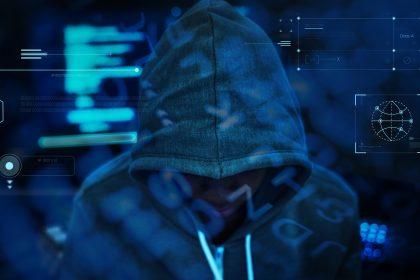
In the ever-evolving landscape of cybersecurity threats, one particularly notorious malware that has been causing havoc is USAVServer. This insidious piece of malware has been identified as a significant threat by security experts due to its stealthy infiltration techniques and destructive capabilities. In this article, we’ll delve into the details of USAVServer, its actions, consequences, detection names, removal guide, and best practices for preventing future infections.

Contents
Introduction to USAVServer Malware:Actions and ConsequencesDetection Names and Similar ThreatsUSAVServer Removal GuidePreventing Future Infections

Introduction to USAVServer Malware:

USAVServer is a sophisticated malware variant that operates as a backdoor, allowing unauthorized access to infected systems. It is primarily spread through malicious email attachments, compromised websites, or bundled with pirated software. Once it infiltrates a system, USAVServer establishes a connection with remote command and control servers, enabling cybercriminals to execute various malicious tasks without the user’s knowledge.

Actions and Consequences

Upon infecting a system, USAVServer can perform a range of malicious activities, including but not limited to:

  1. Data Theft: USAVServer is capable of stealing sensitive information such as login credentials, financial data, and personal files, which can be exploited for nefarious purposes like identity theft or financial fraud.
  2. System Hijacking: The malware can take full control of the infected system, allowing cybercriminals to execute arbitrary commands, install additional malware, or launch distributed denial-of-service (DDoS) attacks.
  3. Spying and Surveillance: USAVServer can covertly monitor user activities, capture keystrokes, record audio/video, and take screenshots, compromising user privacy and confidentiality.
  4. Propagation: It can self-replicate and spread across networks, infecting other connected devices and perpetuating the malware’s proliferation.

The consequences of a USAVServer infection can be severe, ranging from financial losses and data breaches to reputational damage and legal repercussions.

Detection Names and Similar Threats

USAVServer may be detected by various antivirus programs under different names, including:

  • Trojan.USAVServer
  • Backdoor.USAVServer
  • Win32/USAVServer
  • W32/USAVServer

Similar threats to USAVServer include other Trojan backdoors like TrickBot, Emotet, and Zeus, which share similar infection vectors and malicious functionalities.

USAVServer Removal Guide

Removing USAVServer from an infected system requires a systematic approach to ensure complete eradication. Here’s a step-by-step removal guide:

  1. Disconnect from the Internet: Immediately disconnect the infected device from the internet to prevent further communication with command and control servers.
  2. Enter Safe Mode: Restart the infected computer and boot into Safe Mode to prevent USAVServer from running alongside essential system processes.
  3. Identify Malicious Processes: Use Task Manager or a reputable anti-malware tool to identify and terminate any suspicious processes associated with USAVServer.
  4. Delete Malicious Files: Locate and delete all files and folders related to USAVServer. Be cautious not to delete essential system files.
  5. Remove Registry Entries: Use the Registry Editor to remove any registry entries created by USAVServer. Exercise caution as incorrect modifications can damage the system.
  6. Reset Browser Settings: If the malware has tampered with browser settings, reset them to default to remove any malicious extensions or configurations.
  7. Scan with Antivirus Software: Perform a full system scan using reliable antivirus software to detect and remove any remaining traces of USAVServer or other malware.
  8. Update Security Software: Ensure that your antivirus software and operating system are up-to-date to guard against known vulnerabilities and emerging threats.
  9. Change Passwords: As a precautionary measure, change all passwords for online accounts accessed from the infected device to prevent unauthorized access.
  10. Monitor for Anomalies: Regularly monitor system activity and network traffic for any suspicious behavior that could indicate a lingering infection or potential re-infection.

Preventing Future Infections

To minimize the risk of future USAVServer infections or similar threats, consider implementing the following best practices:

  • Exercise Caution Online: Avoid clicking on suspicious links, downloading attachments from unknown sources, or visiting untrustworthy websites.
  • Keep Software Updated: Regularly update your operating system, software applications, and antivirus definitions to patch security vulnerabilities and protect against known exploits.
  • Enable Firewall Protection: Activate and configure a firewall to monitor and filter incoming and outgoing network traffic, blocking unauthorized access attempts.
  • Practice Email Hygiene: Be wary of unsolicited emails, especially those containing attachments or links, and verify the sender’s authenticity before taking any action.
  • Use Strong Authentication: Implement multi-factor authentication (MFA) wherever possible to add an extra layer of security to your accounts and devices.

By adopting these proactive measures and staying vigilant against emerging threats, you can effectively safeguard your systems and data against USAVServer and other malicious entities.

You Might Also Like

Xmegadrive.com Redirects
Itsfuck.top Adware
Trojan.IcedID.ANJ
Reprucally.co.in Hijacker
“Email Address Verification Formal Notice” Scam
TAGGED:antivirusBackdoorBest Practicesbrowser settingsCyber Threatcybersecuritycybersecurity hygieneData theftDetectionfirewall protectionmalicious filesMalwaremulti-factor authenticationPreventionpropagationregistry entriesRemoval Guidesafe modeSpywaresurveillancesystem hijackingTrojanTrojansUSAVServer

Sign Up For Daily Newsletter

Be keep up! Get the latest breaking news delivered straight to your inbox.
By signing up, you agree to our Terms of Use and acknowledge the data practices in our Privacy Policy. You may unsubscribe at any time.
Share This Article
Facebook Copy Link Print
Share
Previous Article malware, adware WPTHRIVEHYPE: A Comprehensive Guide to Understanding and Removing This Cyber Threat
Next Article Wappo: Removing Malware from Your Mac
Leave a Comment

Leave a Reply Cancel reply

Your email address will not be published. Required fields are marked *

Scan Your System for Malware

Don’t leave your system unprotected. Download SpyHunter today for free, and scan your device for malware, scams, or any other potential threats. Stay Protected!

Download SpyHunter 5
Download SpyHunter for Mac
✅ Free Scan Available • ⭐ Catches malware instantly
//

Check in Daily for the best technology and Cybersecurity based content on the internet.

Quick Link

  • ABOUT US
  • TERMS AND SERVICES
  • SITEMAP
  • CONTACT US

Support

Sign Up for Our Newesletter

Subscribe to our newsletter to get our newest articles instantly!


www.itfunk.orgwww.itfunk.org
© 2023 www.itfunk.org. All Rights Reserved.
  • ABOUT US
  • TERMS AND SERVICES
  • SITEMAP
  • CONTACT US
Welcome Back!

Sign in to your account

Username or Email Address
Password

Lost your password?