













www.itfunk.orgwww.itfunk.orgwww.itfunk.org
  • Home
  • Tech News
    Tech NewsShow More
    Zero Trust: How a Security Idea Became a Blueprint
    41 Min Read
    Cybersecurity Law Expiration Could Unleash New Ransomware Surge – Former FBI Official Sounds the Alarm
    8 Min Read
    Under the Hood of Microsoft’s May 2025 Patch Tuesday: The CLFS and WinSock Problem Microsoft Can’t Seem to Fix
    7 Min Read
    The Hidden Sabotage: How Malicious Go Modules Quietly Crashed Linux Systems
    6 Min Read
    Agentic AI: The Next Frontier in Cybersecurity Defense and Risk​
    5 Min Read
  • Cyber Threats
    • Malware
    • Ransomware
    • Trojans
    • Adware
    • Browser Hijackers
    • Mac Malware
    • Android Threats
    • iPhone Threats
    • Potentially Unwanted Programs (PUPs)
    • Online Scams
    • Microsoft CVE Vulnerabilities
  • How To Guides
    How To GuidesShow More
    Tasksche.exe Malware
    Nviqri Someq Utils Unwanted Application
    4 Min Read
    How to Deal With Rbx.fund Scam
    4 Min Read
    How to Jailbreak DeepSeek: Unlocking AI Without Restrictions
    4 Min Read
    Why Streaming Services Geo-Restrict Content?
    10 Min Read
  • Product Reviews
    • Hardware
    • Software
  • IT/Cybersecurity Best Practices
    IT/Cybersecurity Best PracticesShow More
    Zero Trust: How a Security Idea Became a Blueprint
    41 Min Read
    Under the Hood of Microsoft’s May 2025 Patch Tuesday: The CLFS and WinSock Problem Microsoft Can’t Seem to Fix
    7 Min Read
    Affordable Endpoint Protection Platforms (EPP) for Small Businesses
    5 Min Read
    Outlaw Malware: A Persistent Threat Exploiting Linux Servers
    4 Min Read
    CVE-2024-48248: Critical NAKIVO Backup & Replication Flaw Actively Exploited—Patch Immediately
    6 Min Read
  • FREE SCAN
  • Cybersecurity for Business
Search
  • ABOUT US
  • TERMS AND SERVICES
  • SITEMAP
  • CONTACT US
© 2023 ITFunk.org. All Rights Reserved.
Reading: Royal Mail Package Scam: Protecting Your Device from Malware
Share
Notification Show More
Font ResizerAa
www.itfunk.orgwww.itfunk.org
Font ResizerAa
  • Tech News
  • How To Guides
  • Cyber Threats
  • Product Reviews
  • Cybersecurity for Business
  • Free Scan
Search
  • Home
  • Tech News
  • Cyber Threats
    • Malware
    • Ransomware
    • Trojans
    • Adware
    • Browser Hijackers
    • Mac Malware
    • Android Threats
    • iPhone Threats
    • Potentially Unwanted Programs (PUPs)
    • Online Scams
  • How To Guides
  • Product Reviews
    • Hardware
    • Software
  • IT/Cybersecurity Best Practices
  • Cybersecurity for Business
  • FREE SCAN
Follow US
  • ABOUT US
  • TERMS AND SERVICES
  • SITEMAP
  • CONTACT US
© 2023 ITFunk.org All Rights Reserved.
www.itfunk.org > Blog > Cyber Threats > Online Scams > Royal Mail Package Scam: Protecting Your Device from Malware
How To GuidesIT/Cybersecurity Best PracticesOnline Scams

Royal Mail Package Scam: Protecting Your Device from Malware

ITFunk Research
Last updated: March 21, 2024 8:59 pm
ITFunk Research
Share
Royal Mail Package Scam: Protecting Your Device from Malware
SHARE

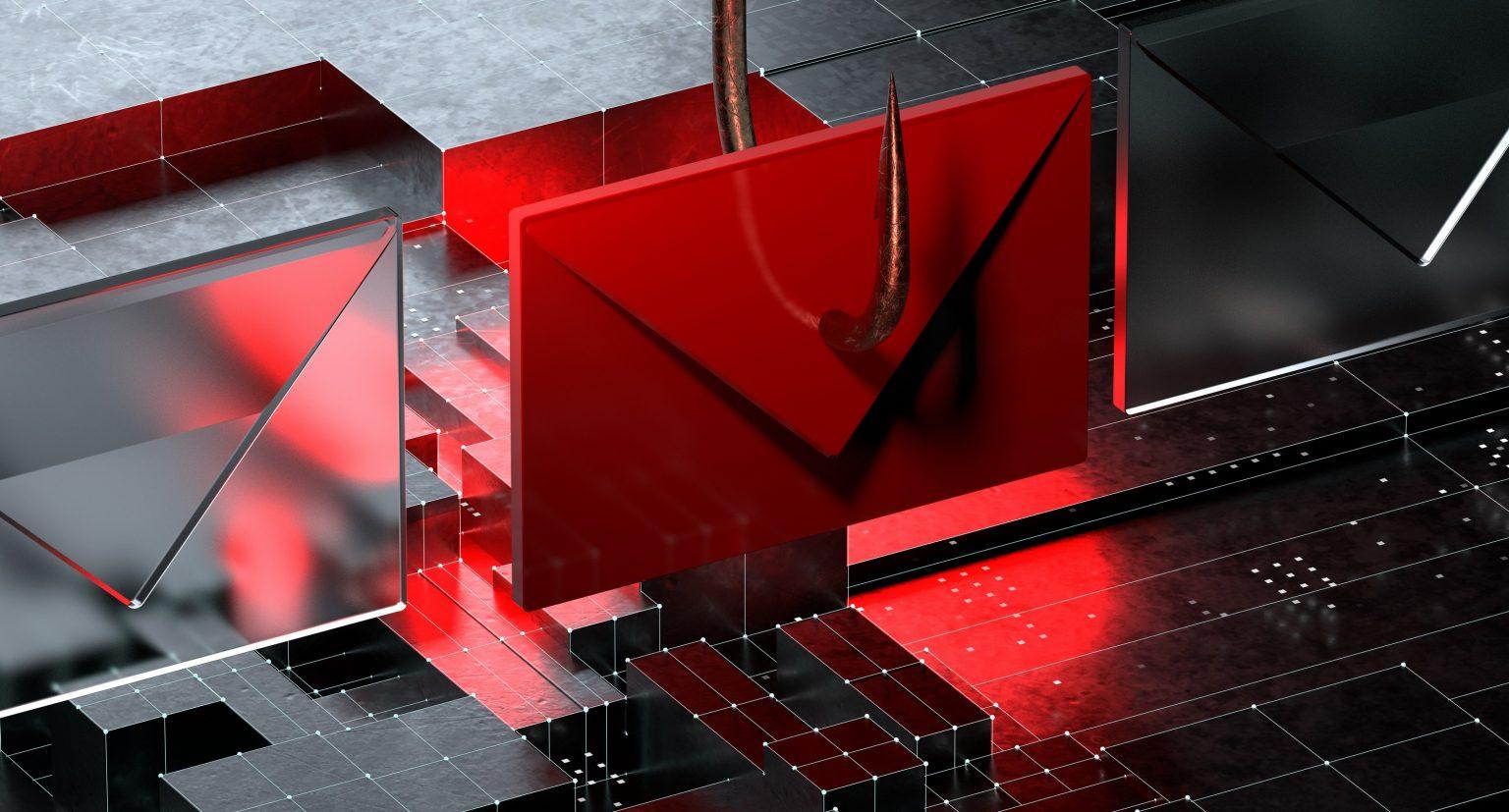
In the ever-evolving landscape of cyber threats, one particular scam has recently surfaced, targeting iPhone users under the guise of a seemingly innocuous notification from Royal Mail. The “Royal Mail Package Has Arrived” scam, while appearing to be a routine message regarding a package delivery, is in fact a sophisticated ploy designed to compromise your device’s security and extract personal information. In this article, we delve into the intricacies of this scam, its potential consequences, and most importantly, how to safeguard your device from such malicious attacks.

Contents
Understanding the Royal Mail Package ScamComprehensive Removal GuidePreventative Measures for Future Protection

Understanding the Royal Mail Package Scam

At first glance, receiving a message indicating a pending delivery from a reputable courier service like Royal Mail may not raise immediate red flags. However, upon closer inspection, the true nature of this communication becomes apparent. The message typically alerts recipients to an undelivered package due to incomplete address information and prompts them to click on a provided link for further details or to confirm their address.

Engaging with this fraudulent message can have dire consequences for unsuspecting users. Clicking on the provided link may lead to the installation of adware, browser hijackers, or even trojans on your device. These malicious entities can compromise your device’s security, harvest sensitive information such as login credentials or financial data, and even render your device vulnerable to further cyber attacks.

Detection and Similar Threats

Various security experts have identified this scam under different detection names, including adware, browser hijackers, and trojans. While the specific detection names may vary, the underlying threat remains consistent – the unauthorized access and exploitation of your device for nefarious purposes.

Similar threats to the “Royal Mail Package Has Arrived” scam include phishing emails masquerading as notifications from other reputable organizations, such as banks or government agencies. These emails often employ similar tactics to deceive recipients into divulging sensitive information or clicking on malicious links.

Comprehensive Removal Guide

If you suspect that your device has been compromised by the “Royal Mail Package Has Arrived” scam or similar malware, it’s crucial to take immediate action to mitigate the threat and safeguard your digital assets. Follow these comprehensive steps to remove the malware from your device:

  1. Disconnect from the Internet: Immediately disconnect your device from any network to prevent further communication with the attacker’s servers.
  2. Restart Your Device in Safe Mode: Boot your iPhone into Safe Mode to prevent any malicious processes from running in the background.
  3. Review Installed Apps: Carefully review the list of installed apps on your device and uninstall any unfamiliar or suspicious applications that may have been installed without your consent.
  4. Clear Browser Cache and Data: If you interacted with the scam message via a web browser, clear your browser’s cache and data to remove any traces of the malicious activity.
  5. Reset Browser Settings: Resetting your browser settings to their default configurations can help eliminate any unauthorized changes made by the malware.
  6. Update iOS and Apps: Ensure that your iPhone’s operating system and all installed apps are up to date with the latest security patches and bug fixes.
  7. Change Passwords: As a precautionary measure, change the passwords for any online accounts that may have been compromised during the security breach.
  8. Monitor Device Activity: Regularly monitor your device for any unusual activity or unauthorized access attempts, and report any suspicious findings to your device manufacturer or security provider.

Preventative Measures for Future Protection

Preventing future infections requires a proactive approach to device security and online hygiene. Implement the following best practices to reduce the risk of falling victim to similar scams in the future:

  1. Exercise Caution with Unsolicited Messages: Approach unsolicited messages, especially those requesting personal information or containing suspicious links, with caution. Verify the legitimacy of the sender before taking any action.
  2. Enable Spam Filters: Utilize spam filters on your messaging apps and email accounts to automatically detect and block suspicious messages before they reach your inbox.
  3. Stay Informed: Stay abreast of the latest cyber threats and scam tactics to recognize and avoid potential dangers effectively.
  4. Educate Yourself and Others: Educate yourself and others about common cyber threats, phishing techniques, and best practices for online safety to build a more resilient and security-conscious community.
  5. Regularly Backup Data: Regularly backup your device’s data to a secure, offline location to mitigate the impact of potential security breaches or data loss incidents.
  6. Enable Two-Factor Authentication (2FA): Implement two-factor authentication (2FA) wherever possible to add an extra layer of security to your online accounts and transactions.

In conclusion, the “Royal Mail Package Has Arrived” scam serves as a stark reminder of the persistent threats lurking in the digital landscape. By remaining vigilant, staying informed, and implementing robust security measures, you can effectively protect your device and personal information from falling prey to such malicious schemes. Remember, proactive prevention is always preferable to reactive mitigation when it comes to safeguarding your digital assets and maintaining online safety.

You Might Also Like

“Email Address Verification Formal Notice” Scam
Parasail Giveaway Scam
CloudSync Scam
Rezdax Crypto Scam
With Matchain (MAT) Airdrop Scam
TAGGED:Email ScamsPhishing Emails

Sign Up For Daily Newsletter

Be keep up! Get the latest breaking news delivered straight to your inbox.
By signing up, you agree to our Terms of Use and acknowledge the data practices in our Privacy Policy. You may unsubscribe at any time.
Share This Article
Facebook Copy Link Print
Share
Previous Article Searchokay.com: Unraveling the Browser Hijacker Threat
Next Article Alsxw.co.in: A Browser Hijacker Threat
Leave a Comment

Leave a Reply Cancel reply

Your email address will not be published. Required fields are marked *

Scan Your System for Malware

Don’t leave your system unprotected. Download SpyHunter today for free, and scan your device for malware, scams, or any other potential threats. Stay Protected!

Download SpyHunter 5
Download SpyHunter for Mac
✅ Free Scan Available • ⭐ Catches malware instantly
//

Check in Daily for the best technology and Cybersecurity based content on the internet.

Quick Link

  • ABOUT US
  • TERMS AND SERVICES
  • SITEMAP
  • CONTACT US

Support

Sign Up for Our Newesletter

Subscribe to our newsletter to get our newest articles instantly!


www.itfunk.orgwww.itfunk.org
© 2023 www.itfunk.org. All Rights Reserved.
  • ABOUT US
  • TERMS AND SERVICES
  • SITEMAP
  • CONTACT US
Welcome Back!

Sign in to your account

Username or Email Address
Password

Lost your password?