












www.itfunk.orgwww.itfunk.orgwww.itfunk.org
  • Home
  • Tech News
    Tech NewsShow More
    Zero Trust: How a Security Idea Became a Blueprint
    41 Min Read
    Cybersecurity Law Expiration Could Unleash New Ransomware Surge – Former FBI Official Sounds the Alarm
    8 Min Read
    Under the Hood of Microsoft’s May 2025 Patch Tuesday: The CLFS and WinSock Problem Microsoft Can’t Seem to Fix
    7 Min Read
    The Hidden Sabotage: How Malicious Go Modules Quietly Crashed Linux Systems
    6 Min Read
    Agentic AI: The Next Frontier in Cybersecurity Defense and Risk​
    5 Min Read
  • Cyber Threats
    • Malware
    • Ransomware
    • Trojans
    • Adware
    • Browser Hijackers
    • Mac Malware
    • Android Threats
    • iPhone Threats
    • Potentially Unwanted Programs (PUPs)
    • Online Scams
    • Microsoft CVE Vulnerabilities
  • How To Guides
    How To GuidesShow More
    Tasksche.exe Malware
    Nviqri Someq Utils Unwanted Application
    4 Min Read
    How to Deal With Rbx.fund Scam
    4 Min Read
    How to Jailbreak DeepSeek: Unlocking AI Without Restrictions
    4 Min Read
    Why Streaming Services Geo-Restrict Content?
    10 Min Read
  • Product Reviews
    • Hardware
    • Software
  • IT/Cybersecurity Best Practices
    IT/Cybersecurity Best PracticesShow More
    Zero Trust: How a Security Idea Became a Blueprint
    41 Min Read
    Under the Hood of Microsoft’s May 2025 Patch Tuesday: The CLFS and WinSock Problem Microsoft Can’t Seem to Fix
    7 Min Read
    Affordable Endpoint Protection Platforms (EPP) for Small Businesses
    5 Min Read
    Outlaw Malware: A Persistent Threat Exploiting Linux Servers
    4 Min Read
    CVE-2024-48248: Critical NAKIVO Backup & Replication Flaw Actively Exploited—Patch Immediately
    6 Min Read
  • FREE SCAN
  • Cybersecurity for Business
Search
  • ABOUT US
  • TERMS AND SERVICES
  • SITEMAP
  • CONTACT US
© 2023 ITFunk.org. All Rights Reserved.
Reading: “Deactivation Countdown” Email Scam: A Comprehensive Analysis and Removal Guide
Share
Notification Show More
Font ResizerAa
www.itfunk.orgwww.itfunk.org
Font ResizerAa
  • Tech News
  • How To Guides
  • Cyber Threats
  • Product Reviews
  • Cybersecurity for Business
  • Free Scan
Search
  • Home
  • Tech News
  • Cyber Threats
    • Malware
    • Ransomware
    • Trojans
    • Adware
    • Browser Hijackers
    • Mac Malware
    • Android Threats
    • iPhone Threats
    • Potentially Unwanted Programs (PUPs)
    • Online Scams
  • How To Guides
  • Product Reviews
    • Hardware
    • Software
  • IT/Cybersecurity Best Practices
  • Cybersecurity for Business
  • FREE SCAN
Follow US
  • ABOUT US
  • TERMS AND SERVICES
  • SITEMAP
  • CONTACT US
© 2023 ITFunk.org All Rights Reserved.
www.itfunk.org > Blog > Cyber Threats > Online Scams > “Deactivation Countdown” Email Scam: A Comprehensive Analysis and Removal Guide
How To GuidesIT/Cybersecurity Best PracticesOnline Scams

“Deactivation Countdown” Email Scam: A Comprehensive Analysis and Removal Guide

ITFunk Research
Last updated: February 14, 2024 4:21 pm
ITFunk Research
Share
phishing email
"Deactivation Countdown" Email Scam: A Comprehensive Analysis and Removal Guide
SHARE

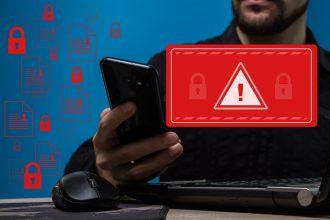
In the ever-evolving landscape of cyber threats, phishing scams continue to pose a significant risk to individuals and organizations. One such deceptive campaign that has recently gained traction is the “Deactivation Countdown” email scam. Disguised as a legitimate account termination notification, this phishing attack preys on unsuspecting users, attempting to trick them into revealing sensitive information. In this article, we’ll delve into the details of this cyber threat, exploring its actions, consequences, and providing a thorough removal guide to protect users from falling victim to its malicious intent.

Contents
Actions and ConsequencesSimilar ThreatsRemoval GuidePreventive Measures

Actions and Consequences

The “Deactivation Countdown” email scam employs social engineering tactics to create a sense of urgency and panic among recipients. Claiming that a request to deactivate the user’s account has been received, the email urges users to click on a “Remove Email Address” button to prevent the impending deactivation. However, this is a ruse, and clicking the button redirects users to a phishing site designed to mimic the login page of their email account.

Once on the fraudulent site, users are prompted to enter their login credentials. Unbeknownst to the victim, these credentials are recorded and sent directly to the scammers. The potential consequences of falling victim to this scam are severe and far-reaching. Stolen email accounts may be exploited to engage in unauthorized online purchases, change account passwords, commit identity theft, or gain illegal access to the victim’s computer.

Moreover, the compromised accounts can be used to register and access other online platforms, exposing victims to the risk of blackmail, spreading malware, and fraudulent transactions. The domino effect of a successful attack could lead to financial losses, privacy invasion, and even further instances of identity theft.

Similar Threats

Identifying the “Deactivation Countdown” email scam is crucial for users to protect themselves from falling prey to its deceptive tactics. While specific detection names may vary, security experts commonly categorize such threats as phishing, social engineering, fraud, and scams. Similar threats in the phishing landscape include campaigns with subject lines like “American Express – Call to Reset Your Account,” “Western Union Money Transfer,” “OneDrive – You Received Some Files,” and “Price And Stock Availability.”

Removal Guide

If you’ve received the “Deactivation Countdown” email or suspect a phishing attempt, follow these steps to mitigate the threat:

  1. Do Not Click on Suspicious Links:
    Avoid clicking on any links or buttons in the email. Hover over links to inspect their destination URLs before interacting.
  2. Verify the Legitimacy:
    Contact the official support channels of the service mentioned in the email to verify the legitimacy of the account deactivation claim.
  3. Change Passwords Immediately:
    If you’ve entered your login credentials on the phishing site, change the passwords of all possibly exposed accounts without delay.
  4. Use Two-Factor Authentication:
    Enable two-factor authentication on your accounts to add an extra layer of security.
  5. Educate Yourself:
    Stay informed about common phishing tactics and always scrutinize unexpected emails for signs of phishing.
  6. Regularly Update Software:
    Keep your software, especially antivirus programs and email clients, up to date to ensure the latest security patches are applied.

Preventive Measures

To prevent future infections and safeguard against phishing attacks:

  1. Be Skeptical:
    Exercise caution with unexpected emails, especially those claiming urgent actions. Verify the legitimacy of such communications through official channels.
  2. Secure Passwords:
    Use strong, unique passwords for each account, and avoid using easily guessable information.
  3. Educate Employees:
    In organizational settings, provide cybersecurity training to employees to recognize and avoid phishing attempts.
  4. Update Security Software:
    Regularly update and use reputable security software to detect and prevent phishing attacks.
  5. Stay Informed:
    Stay abreast of the latest phishing tactics and scams to recognize potential threats.

By staying vigilant and following these removal and preventive measures, users can significantly reduce their vulnerability to phishing scams like the “Deactivation Countdown” email.

You Might Also Like

“Email Address Verification Formal Notice” Scam
Parasail Giveaway Scam
CloudSync Scam
Rezdax Crypto Scam
With Matchain (MAT) Airdrop Scam
TAGGED:Email ScamsPhishingPhishing Emails

Sign Up For Daily Newsletter

Be keep up! Get the latest breaking news delivered straight to your inbox.
By signing up, you agree to our Terms of Use and acknowledge the data practices in our Privacy Policy. You may unsubscribe at any time.
Share This Article
Facebook Copy Link Print
Share
Previous Article browser hijacker Queryquickly: A Stealthy Browser Hijacker
Next Article Ask AI Browser: The Browser Hijacker Threat
Leave a Comment

Leave a Reply Cancel reply

Your email address will not be published. Required fields are marked *

Scan Your System for Malware

Don’t leave your system unprotected. Download SpyHunter today for free, and scan your device for malware, scams, or any other potential threats. Stay Protected!

Download SpyHunter 5
Download SpyHunter for Mac
✅ Free Scan Available • ⭐ Catches malware instantly
//

Check in Daily for the best technology and Cybersecurity based content on the internet.

Quick Link

  • ABOUT US
  • TERMS AND SERVICES
  • SITEMAP
  • CONTACT US

Support

Sign Up for Our Newesletter

Subscribe to our newsletter to get our newest articles instantly!


www.itfunk.orgwww.itfunk.org
© 2023 www.itfunk.org. All Rights Reserved.
  • ABOUT US
  • TERMS AND SERVICES
  • SITEMAP
  • CONTACT US
Welcome Back!

Sign in to your account

Username or Email Address
Password

Lost your password?