
















www.itfunk.orgwww.itfunk.orgwww.itfunk.org
  • Home
  • Tech News
    Tech NewsShow More
    Zero Trust: How a Security Idea Became a Blueprint
    41 Min Read
    Cybersecurity Law Expiration Could Unleash New Ransomware Surge – Former FBI Official Sounds the Alarm
    8 Min Read
    Under the Hood of Microsoft’s May 2025 Patch Tuesday: The CLFS and WinSock Problem Microsoft Can’t Seem to Fix
    7 Min Read
    The Hidden Sabotage: How Malicious Go Modules Quietly Crashed Linux Systems
    6 Min Read
    Agentic AI: The Next Frontier in Cybersecurity Defense and Risk​
    5 Min Read
  • Cyber Threats
    • Malware
    • Ransomware
    • Trojans
    • Adware
    • Browser Hijackers
    • Mac Malware
    • Android Threats
    • iPhone Threats
    • Potentially Unwanted Programs (PUPs)
    • Online Scams
    • Microsoft CVE Vulnerabilities
  • How To Guides
    How To GuidesShow More
    Tasksche.exe Malware
    Nviqri Someq Utils Unwanted Application
    4 Min Read
    How to Deal With Rbx.fund Scam
    4 Min Read
    How to Jailbreak DeepSeek: Unlocking AI Without Restrictions
    4 Min Read
    Why Streaming Services Geo-Restrict Content?
    10 Min Read
  • Product Reviews
    • Hardware
    • Software
  • IT/Cybersecurity Best Practices
    IT/Cybersecurity Best PracticesShow More
    Zero Trust: How a Security Idea Became a Blueprint
    41 Min Read
    Under the Hood of Microsoft’s May 2025 Patch Tuesday: The CLFS and WinSock Problem Microsoft Can’t Seem to Fix
    7 Min Read
    Affordable Endpoint Protection Platforms (EPP) for Small Businesses
    5 Min Read
    Outlaw Malware: A Persistent Threat Exploiting Linux Servers
    4 Min Read
    CVE-2024-48248: Critical NAKIVO Backup & Replication Flaw Actively Exploited—Patch Immediately
    6 Min Read
  • FREE SCAN
  • Cybersecurity for Business
Search
  • ABOUT US
  • TERMS AND SERVICES
  • SITEMAP
  • CONTACT US
© 2023 ITFunk.org. All Rights Reserved.
Reading: Ryderd: Unveiling the Intricacies of Mac Browser Hijackers
Share
Notification Show More
Font ResizerAa
www.itfunk.orgwww.itfunk.org
Font ResizerAa
  • Tech News
  • How To Guides
  • Cyber Threats
  • Product Reviews
  • Cybersecurity for Business
  • Free Scan
Search
  • Home
  • Tech News
  • Cyber Threats
    • Malware
    • Ransomware
    • Trojans
    • Adware
    • Browser Hijackers
    • Mac Malware
    • Android Threats
    • iPhone Threats
    • Potentially Unwanted Programs (PUPs)
    • Online Scams
  • How To Guides
  • Product Reviews
    • Hardware
    • Software
  • IT/Cybersecurity Best Practices
  • Cybersecurity for Business
  • FREE SCAN
Follow US
  • ABOUT US
  • TERMS AND SERVICES
  • SITEMAP
  • CONTACT US
© 2023 ITFunk.org All Rights Reserved.
www.itfunk.org > Blog > Cyber Threats > Adware > Ryderd: Unveiling the Intricacies of Mac Browser Hijackers
AdwareBrowser HijackersMac Malware

Ryderd: Unveiling the Intricacies of Mac Browser Hijackers

ITFunk Research
Last updated: November 24, 2023 4:24 pm
ITFunk Research
Share
Ryderd: Unveiling the Intricacies of Mac Browser Hijackers
SHARE

In the realm of cybersecurity, the infiltration of unwanted software continues to be a persistent concern, with browser hijackers representing a notable threat to Mac users. Ryderd, a prevalent example of this software breed, stealthily infiltrates Mac-compatible web browsers, triggering a cascade of alterations to the browser’s settings. While Ryderd itself may not directly inflict damage on your system, its presence poses a significant security risk by inundating browsing sessions with a deluge of advertisements and redirecting users to potentially hazardous online domains.

Contents
Unveiling the Nature of RyderdSimilar ThreatsRemovalStep 1: Identify Ryderd ComponentsStep 2: Terminate Ryderd ProcessesStep 3: Remove Ryderd from ApplicationsStep 4: Eliminate Browser ExtensionsStep 5: Clear Browser SettingsStep 6: Run Antivirus and Malware ScansStep 7: Restart Your MacStep 8: Regular System MaintenanceTips for Prevention of Future InfectionsInstall Reputable Antivirus SoftwareBe Cautious with DownloadsKeep Software UpdatedExercise Caution with Email and LinksUse Strong and Unique PasswordsEnable Firewall ProtectionEducate Yourself and Stay InformedImplement Browser Security MeasuresBe Mindful of PermissionsBackup Data RegularlyEnable Two-Factor Authentication (2FA)Implement Network Security MeasuresConclusion

Unveiling the Nature of Ryderd

Ryderd, a representative of the adware family, targets Mac users by infiltrating their web browsers, including Chrome, Firefox, Safari, among others. This form of software operates as a browser hijacker, manipulating browser configurations by altering homepages and default search engines. Its primary objective? Funneling web traffic to specific sites, generating revenue for its developers through Pay Per Click models.

Unlike conventional viruses, Ryderd doesn’t directly harm the computer. However, its intrusive actions lead to an onslaught of pop-up ads and messages, disrupting the user experience. These ads vary in form, from intrusive pop-ups to subtle in-text links, making it challenging to navigate without inadvertently clicking on them. Each click further fuels the developers’ profits.

Ryderd for Mac is engineered to flood browsing sessions with advertisements. To personalize these ads, it collects browsing data without explicit user consent. The clandestine nature of this data collection raises concerns about potential misuse or unauthorized sale to third parties, compromising user privacy and security.

While not classified as malware, Ryderd qualifies as potentially unwanted software due to its disruptive nature. Its presence triggers incessant page redirects, exposing users to dubious websites, some of which might harbor malicious code, including Trojans or ransomware viruses.

Ultimately, the key risk posed by Ryderd lies in its ability to inundate browsing sessions with unwanted ads and the potential exposure to unsafe web destinations. Removal of Ryderd and its components is advised to mitigate these risks, though this process may prove challenging without proper guidance.

Similar Threats

There are a great number of variants of this type of malware, and the number keeps multiplying every day. For your safety and convenience, we have compiled a list of similar threats to Ryderd, along with their detection names:

  1. ConnectionCachefld – Adware
  2. standardboostd – Adware
  3. cleanparameterd – Adware
  4. skilledobjectd – Adware
  5. RecordMapperd – Adware
  6. manageranalogd – Adware
  7. InitialProgramd – Adware
  8. ProtocolPort – Adware
  9. ActivityInputd – Adware
  10. initialskilld – Adware
  11. dominantpartitiond – Adware
  12. OriginalModuled – Adware
  13. OperativeMachined – Adware
  14. unithandlerd – Adware
  15. protocolstatus – Adware
  16. elementarytyped – Adware
  17. standartproductd – Adware
  18. configtyped – Adware
  19. Analyzerwindowd – Adware
  20. ExtendedSprintd – Adware
  21. LauncherSetup – Adware
  22. TrustedAnalogd – Adware

These threats operate similarly to Ryderd, belonging to the adware category and aiming to manipulate browser configurations, flood browsing sessions with ads, and potentially compromise user privacy and security. Vigilance and timely removal of such adware are crucial in safeguarding against their disruptive and intrusive activities.

Removal

Step 1: Identify Ryderd Components

Access your Mac’s applications folder and review installed programs. Look for suspicious or unfamiliar software, including Ryderd or any related applications mentioned in the threat description.

Step 2: Terminate Ryderd Processes

Open “Activity Monitor” (accessible via Applications > Utilities) and search for any processes related to Ryderd or adware-like behavior. Select the suspicious process and click “Quit Process” or “Force Quit.”

Step 3: Remove Ryderd from Applications

Go to “Applications” in Finder and drag the suspicious applications (e.g., Ryderd or any related ones) to the Trash bin.

Step 4: Eliminate Browser Extensions

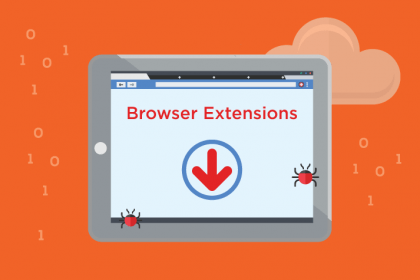
  • Launch your web browser (e.g., Safari, Chrome, Firefox) and navigate to the Extensions or Add-ons section.
  • Look for any suspicious extensions installed without your consent. Remove or disable these extensions.

Step 5: Clear Browser Settings

  • In your browser settings, reset the homepage to your preferred choice.
  • Restore the default search engine settings to eliminate any alterations caused by Ryderd.

Step 6: Run Antivirus and Malware Scans

  • Utilize reputable antivirus software specifically designed for Mac systems.
  • Perform a full system scan to detect and eliminate any remaining traces of Ryderd or related adware.

Step 7: Restart Your Mac

Restart your computer to ensure all changes take effect and to refresh your system.

Step 8: Regular System Maintenance

  • Keep your operating system and applications updated to prevent vulnerabilities that could be exploited by such threats.
  • Avoid downloading software from untrustworthy sources and be cautious of clicking on suspicious links or pop-ups while browsing.

By following these steps, you can effectively remove Ryderd and its components from your Mac, enhancing your online security and restoring a smoother browsing experience.

Tips for Prevention of Future Infections

To prevent future infiltrations of similar nature to Ryderd, follow the provided guidelines:

Install Reputable Antivirus Software

Choose a robust antivirus program specifically designed for your operating system. Regularly update and schedule system scans to detect and eliminate potential threats before they cause harm.

Be Cautious with Downloads

Obtain software and applications from official websites or trusted app stores. Avoid downloading from suspicious or unverified sources, as they may contain bundled adware or malware.

Keep Software Updated

Regularly update your operating system, browsers, and applications to patch security vulnerabilities. Enable automatic updates for seamless protection against emerging threats.

Exercise Caution with Email and Links

Be vigilant with email attachments and links, especially from unknown or unsolicited sources. Avoid clicking on suspicious links or downloading attachments from untrustworthy emails.

Use Strong and Unique Passwords

Create strong, unique passwords for all your accounts. Consider using a reliable password manager to securely store and manage passwords.

Enable Firewall Protection

Activate the firewall on your system to add an extra layer of defense against unauthorized access and potential threats.

Educate Yourself and Stay Informed

Stay updated on the latest cybersecurity threats and trends. Regularly educate yourself and your team about potential risks and best practices for online safety.

Implement Browser Security Measures

Configure browser settings to enhance security and privacy. Enable pop-up blockers, disable unnecessary plugins or extensions, and regularly clear cache and browsing history.

Be Mindful of Permissions

Review and manage app permissions on your devices. Limit access to sensitive data and grant permissions only to trusted applications.

Backup Data Regularly

Maintain regular backups of important files and data. In case of a security breach or ransomware attack, having backups ensures you can restore your information without paying a ransom.

Enable Two-Factor Authentication (2FA)

Whenever possible, enable two-factor authentication for your accounts. This adds an extra layer of security by requiring a secondary verification step.

Implement Network Security Measures

Secure your network with encryption protocols, strong passwords for Wi-Fi access, and use Virtual Private Networks (VPNs) when connecting to public Wi-Fi networks.

By implementing these best practices, you fortify your defenses against potential threats similar to Ryderd, enhancing your overall cybersecurity posture and safeguarding your digital environment.

Conclusion

Protecting your digital ecosystem against threats akin to Ryderd requires a multifaceted approach and proactive measures. Cybersecurity is an ongoing process, and staying one step ahead of potential threats is key to maintaining a secure online presence.

By following these comprehensive best practices—ranging from installing robust antivirus software to cultivating cautious browsing habits—you fortify your defenses and reduce the likelihood of falling victim to intrusive adware, malware, or browser hijackers. Vigilance, education, and proactive security measures are the pillars upon which a resilient digital fortress is built.

Remember, the digital landscape is ever-evolving, with new threats emerging regularly. Staying informed, adapting security protocols, and remaining diligent in your digital interactions serve as essential armor against the evolving cyber threat landscape.

With these practices in place, you empower yourself to navigate the online world with confidence, ensuring a safer and more secure digital experience for yourself and your devices. Stay informed, stay vigilant, and safeguard your digital realm against potential threats.

You Might Also Like

Xmegadrive.com Redirects
Itsfuck.top Adware
Reprucally.co.in Hijacker
CloudSync Scam
Visishized.com Adware
TAGGED:AdwareBrowser HijackersMac AdwarePUPs

Sign Up For Daily Newsletter

Be keep up! Get the latest breaking news delivered straight to your inbox.
By signing up, you agree to our Terms of Use and acknowledge the data practices in our Privacy Policy. You may unsubscribe at any time.
Share This Article
Facebook Copy Link Print
Share
Previous Article STOP/Djvu Ransomware How to Battle the IICC Ransomware Infection?
Next Article Localbeautyclub.com Ads: A Guide to Removal and Prevention
Leave a Comment

Leave a Reply Cancel reply

Your email address will not be published. Required fields are marked *

Scan Your System for Malware

Don’t leave your system unprotected. Download SpyHunter today for free, and scan your device for malware, scams, or any other potential threats. Stay Protected!

Download SpyHunter 5
Download SpyHunter for Mac
✅ Free Scan Available • ⭐ Catches malware instantly
//

Check in Daily for the best technology and Cybersecurity based content on the internet.

Quick Link

  • ABOUT US
  • TERMS AND SERVICES
  • SITEMAP
  • CONTACT US

Support

Sign Up for Our Newesletter

Subscribe to our newsletter to get our newest articles instantly!


www.itfunk.orgwww.itfunk.org
© 2023 www.itfunk.org. All Rights Reserved.
  • ABOUT US
  • TERMS AND SERVICES
  • SITEMAP
  • CONTACT US
Welcome Back!

Sign in to your account

Username or Email Address
Password

Lost your password?