







www.itfunk.orgwww.itfunk.orgwww.itfunk.org
  • Home
  • Tech News
    Tech NewsShow More
    Zero Trust: How a Security Idea Became a Blueprint
    41 Min Read
    Cybersecurity Law Expiration Could Unleash New Ransomware Surge – Former FBI Official Sounds the Alarm
    8 Min Read
    Under the Hood of Microsoft’s May 2025 Patch Tuesday: The CLFS and WinSock Problem Microsoft Can’t Seem to Fix
    7 Min Read
    The Hidden Sabotage: How Malicious Go Modules Quietly Crashed Linux Systems
    6 Min Read
    Agentic AI: The Next Frontier in Cybersecurity Defense and Risk​
    5 Min Read
  • Cyber Threats
    • Malware
    • Ransomware
    • Trojans
    • Adware
    • Browser Hijackers
    • Mac Malware
    • Android Threats
    • iPhone Threats
    • Potentially Unwanted Programs (PUPs)
    • Online Scams
    • Microsoft CVE Vulnerabilities
  • How To Guides
    How To GuidesShow More
    Tasksche.exe Malware
    Nviqri Someq Utils Unwanted Application
    4 Min Read
    How to Deal With Rbx.fund Scam
    4 Min Read
    How to Jailbreak DeepSeek: Unlocking AI Without Restrictions
    4 Min Read
    Why Streaming Services Geo-Restrict Content?
    10 Min Read
  • Product Reviews
    • Hardware
    • Software
  • IT/Cybersecurity Best Practices
    IT/Cybersecurity Best PracticesShow More
    Zero Trust: How a Security Idea Became a Blueprint
    41 Min Read
    Under the Hood of Microsoft’s May 2025 Patch Tuesday: The CLFS and WinSock Problem Microsoft Can’t Seem to Fix
    7 Min Read
    Affordable Endpoint Protection Platforms (EPP) for Small Businesses
    5 Min Read
    Outlaw Malware: A Persistent Threat Exploiting Linux Servers
    4 Min Read
    CVE-2024-48248: Critical NAKIVO Backup & Replication Flaw Actively Exploited—Patch Immediately
    6 Min Read
  • FREE SCAN
  • Cybersecurity for Business
Search
  • ABOUT US
  • TERMS AND SERVICES
  • SITEMAP
  • CONTACT US
© 2023 ITFunk.org. All Rights Reserved.
Reading: Truist Online Banking Profile Phishing Scam: Unmasking the Threat
Share
Notification Show More
Font ResizerAa
www.itfunk.orgwww.itfunk.org
Font ResizerAa
  • Tech News
  • How To Guides
  • Cyber Threats
  • Product Reviews
  • Cybersecurity for Business
  • Free Scan
Search
  • Home
  • Tech News
  • Cyber Threats
    • Malware
    • Ransomware
    • Trojans
    • Adware
    • Browser Hijackers
    • Mac Malware
    • Android Threats
    • iPhone Threats
    • Potentially Unwanted Programs (PUPs)
    • Online Scams
  • How To Guides
  • Product Reviews
    • Hardware
    • Software
  • IT/Cybersecurity Best Practices
  • Cybersecurity for Business
  • FREE SCAN
Follow US
  • ABOUT US
  • TERMS AND SERVICES
  • SITEMAP
  • CONTACT US
© 2023 ITFunk.org All Rights Reserved.
www.itfunk.org > Blog > Cyber Threats > Online Scams > Truist Online Banking Profile Phishing Scam: Unmasking the Threat
Online Scams

Truist Online Banking Profile Phishing Scam: Unmasking the Threat

ITFunk Research
Last updated: November 12, 2023 4:42 pm
ITFunk Research
Share
phishing email
Truist Online Banking Profile Phishing Scam: Unmasking the Threat
SHARE

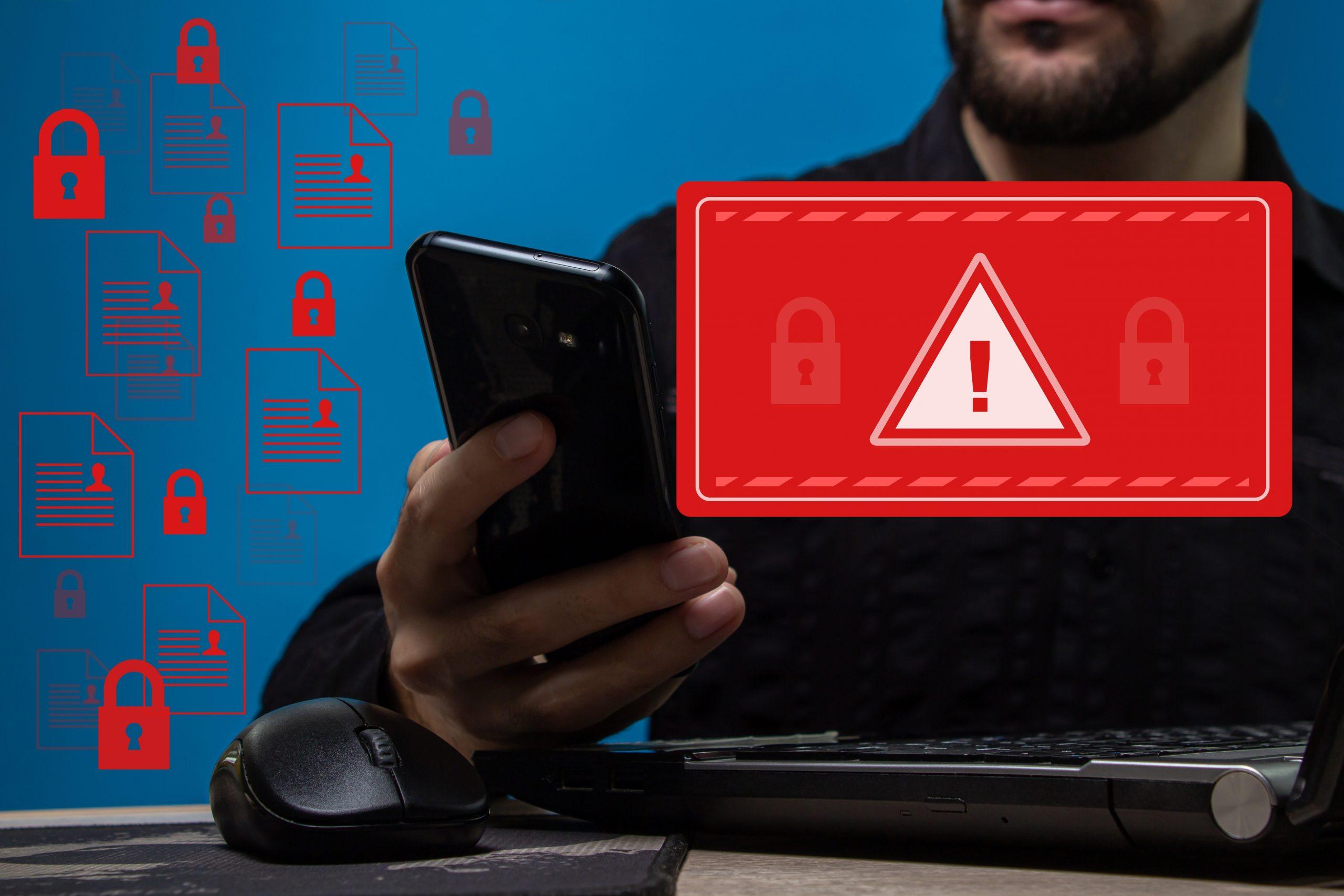
In the realm of cybersecurity, the “Truist Online Banking Profile” phishing scam stands out as a deceptive attempt by cybercriminals to exploit unsuspecting recipients. This fraudulent communication disguises itself as a crucial security update from Truist bank, aiming to trick users into divulging sensitive information. The attackers leverage the urgency of a supposed global update, pressuring recipients to confirm their email address and phone number within 24 hours to prevent the cancellation of financial transactions.

Contents
Symptoms and Risks of the Truist Phishing ScamText of the Scam EmailMitigation and Prevention StrategiesConclusion: Strengthening Digital Resilience

This phishing email manifests typical characteristics of scams, employing a combination of urgency, false claims, and an attachment (in this case, “Truist_online_security_alert.html”) designed to deceive recipients. The attached file, bearing a resemblance to a legitimate bank login form, is the linchpin of the scam. Once opened, it prompts users to enter their user ID and password, unknowingly providing cybercriminals with the keys to unauthorized transactions, identity theft, and potential control over their entire bank account.

Symptoms and Risks of the Truist Phishing Scam

Victims of this phishing scam may experience unauthorized online purchases, altered account passwords, and the profound impact of identity theft. The threat goes beyond compromising personal data; it extends to the manipulation of financial assets and the potential takeover of a victim’s bank account. The disguise of legitimacy in the form of a seemingly official Truist bank update adds an extra layer of danger, emphasizing the importance of recognizing the signs of phishing scams.

Text of the Scam Email

Subject: Action Required: Secure Your Account

Truist

Dear ********
An update on your Online Banking profile
This is an automated message. Please do not reply directly to this email.
Important Security Update.

We need you to confirm your email address and phone number for up to date account information details to reduce identity theft.

Failure to do this within 24 hours may lead to cancellation of incoming and outgoing transactions until you do so.

Please download and open the secure attachment file to verify identity.

This is a global update, as we need to verifying all Truist customers information to protect you from identity theft

Text presented in the “Truist Online Banking Profile” email letter:

Mitigation and Prevention Strategies

To counteract the Truist Online Banking Profile phishing scam and similar threats, users must adopt a proactive cybersecurity stance. Vigilance against suspicious emails, especially those requesting sensitive information, is paramount. Avoiding interactions with unexpected attachments or links in emails from unknown sources can prevent falling victim to phishing schemes. Furthermore, regular updates of operating systems, software, and antivirus solutions contribute to maintaining a resilient defense against evolving cyber threats.

All in all, preventing falling prey to phishing scams and similar cyber threats involves a combination of awareness, caution, and security practices. Here are some of the best ways to protect yourself:

  1. Verify the Sender:
    • Always check the sender’s email address. Legitimate organizations usually have official domain names.
    • Be cautious if the email is from an unknown or suspicious-looking address.
  2. Examine Email Content:
    • Look for signs of phishing, such as generic greetings, spelling errors, or grammatical mistakes.
    • Be wary of urgent or threatening language that pressures you to take immediate action.
  3. Avoid Clicking on Suspicious Links:
    • Hover over links to preview the actual URL before clicking. Ensure it matches the official website.
    • Don’t click on links in emails that seem unexpected, especially those urging you to provide sensitive information.
  4. Check Email Signatures and Logos:
    • Legitimate organizations often have consistent email signatures and logos.
    • Be cautious if these elements look inconsistent or different from what you normally receive.
  5. Use Two-Factor Authentication (2FA):
    • Enable 2FA whenever possible. It adds an extra layer of security, even if your credentials are compromised.
  6. Keep Software Updated:
    • Regularly update your operating system, antivirus software, and applications to patch vulnerabilities.
  7. Educate Yourself:
    • Stay informed about common phishing tactics and the latest scams.
    • Be skeptical of unexpected emails asking for personal or financial information.
  8. Use Security Software:
    • Install reputable antivirus and anti-malware software to detect and block phishing attempts.
  9. Verify Requests for Personal Information:
    • Legitimate organizations won’t ask for sensitive information via email. Verify such requests through official channels.
  10. Be Wary of Pop-Ups and Attachments:
    • Avoid opening unexpected attachments or downloading files from unknown sources.
    • Be cautious of pop-up windows, especially those requesting personal information.
  11. Trust Your Instincts:
    • If something feels off or too good to be true, it probably is. Trust your instincts and verify before taking any action.
  12. Regularly Back Up Your Data:
    • Ensure you have regular backups of your important data. This can mitigate the impact of ransomware attacks.

By incorporating these practices into your online habits, you significantly reduce the risk of falling victim to phishing scams and enhance your overall cybersecurity posture. Always prioritize caution and skepticism, especially when dealing with unexpected or unsolicited communication.

Conclusion: Strengthening Digital Resilience

As cyber threats continue to evolve in sophistication, understanding the modus operandi of phishing scams like the Truist Online Banking Profile becomes crucial for digital safety. By cultivating a culture of skepticism, staying informed about common tactics employed by cybercriminals, and implementing robust security practices, individuals can fortify their defenses against phishing attempts. In an era where cyber threats are omnipresent, user awareness and proactive cybersecurity measures are key to safeguarding personal and financial information from malicious actors.

You Might Also Like

“Email Address Verification Formal Notice” Scam
Parasail Giveaway Scam
CloudSync Scam
Rezdax Crypto Scam
With Matchain (MAT) Airdrop Scam
TAGGED:Email ScamsOnline ScamsPhishingPhishing Emails

Sign Up For Daily Newsletter

Be keep up! Get the latest breaking news delivered straight to your inbox.
By signing up, you agree to our Terms of Use and acknowledge the data practices in our Privacy Policy. You may unsubscribe at any time.
Share This Article
Facebook Copy Link Print
Share
Previous Article browser hijacker Naturey New Tab: Uncovering the Browser Hijacker Threat
Next Article Beware of Phishing Scam: “Increase Your Mail Box Storage Capacity”
Leave a Comment

Leave a Reply Cancel reply

Your email address will not be published. Required fields are marked *

Scan Your System for Malware

Don’t leave your system unprotected. Download SpyHunter today for free, and scan your device for malware, scams, or any other potential threats. Stay Protected!

Download SpyHunter 5
Download SpyHunter for Mac
✅ Free Scan Available • ⭐ Catches malware instantly
//

Check in Daily for the best technology and Cybersecurity based content on the internet.

Quick Link

  • ABOUT US
  • TERMS AND SERVICES
  • SITEMAP
  • CONTACT US

Support

Sign Up for Our Newesletter

Subscribe to our newsletter to get our newest articles instantly!


www.itfunk.orgwww.itfunk.org
© 2023 www.itfunk.org. All Rights Reserved.
  • ABOUT US
  • TERMS AND SERVICES
  • SITEMAP
  • CONTACT US
Welcome Back!

Sign in to your account

Username or Email Address
Password

Lost your password?