










www.itfunk.orgwww.itfunk.orgwww.itfunk.org
  • Home
  • Tech News
    Tech NewsShow More
    Zero Trust: How a Security Idea Became a Blueprint
    41 Min Read
    Cybersecurity Law Expiration Could Unleash New Ransomware Surge – Former FBI Official Sounds the Alarm
    8 Min Read
    Under the Hood of Microsoft’s May 2025 Patch Tuesday: The CLFS and WinSock Problem Microsoft Can’t Seem to Fix
    7 Min Read
    The Hidden Sabotage: How Malicious Go Modules Quietly Crashed Linux Systems
    6 Min Read
    Agentic AI: The Next Frontier in Cybersecurity Defense and Risk​
    5 Min Read
  • Cyber Threats
    • Malware
    • Ransomware
    • Trojans
    • Adware
    • Browser Hijackers
    • Mac Malware
    • Android Threats
    • iPhone Threats
    • Potentially Unwanted Programs (PUPs)
    • Online Scams
    • Microsoft CVE Vulnerabilities
  • How To Guides
    How To GuidesShow More
    Tasksche.exe Malware
    Nviqri Someq Utils Unwanted Application
    4 Min Read
    How to Deal With Rbx.fund Scam
    4 Min Read
    How to Jailbreak DeepSeek: Unlocking AI Without Restrictions
    4 Min Read
    Why Streaming Services Geo-Restrict Content?
    10 Min Read
  • Product Reviews
    • Hardware
    • Software
  • IT/Cybersecurity Best Practices
    IT/Cybersecurity Best PracticesShow More
    Zero Trust: How a Security Idea Became a Blueprint
    41 Min Read
    Under the Hood of Microsoft’s May 2025 Patch Tuesday: The CLFS and WinSock Problem Microsoft Can’t Seem to Fix
    7 Min Read
    Affordable Endpoint Protection Platforms (EPP) for Small Businesses
    5 Min Read
    Outlaw Malware: A Persistent Threat Exploiting Linux Servers
    4 Min Read
    CVE-2024-48248: Critical NAKIVO Backup & Replication Flaw Actively Exploited—Patch Immediately
    6 Min Read
  • FREE SCAN
  • Cybersecurity for Business
Search
  • ABOUT US
  • TERMS AND SERVICES
  • SITEMAP
  • CONTACT US
© 2023 ITFunk.org. All Rights Reserved.
Reading: Keylock Ransomware: Threat Analysis, Behavior, and Protection
Share
Notification Show More
Font ResizerAa
www.itfunk.orgwww.itfunk.org
Font ResizerAa
  • Tech News
  • How To Guides
  • Cyber Threats
  • Product Reviews
  • Cybersecurity for Business
  • Free Scan
Search
  • Home
  • Tech News
  • Cyber Threats
    • Malware
    • Ransomware
    • Trojans
    • Adware
    • Browser Hijackers
    • Mac Malware
    • Android Threats
    • iPhone Threats
    • Potentially Unwanted Programs (PUPs)
    • Online Scams
  • How To Guides
  • Product Reviews
    • Hardware
    • Software
  • IT/Cybersecurity Best Practices
  • Cybersecurity for Business
  • FREE SCAN
Follow US
  • ABOUT US
  • TERMS AND SERVICES
  • SITEMAP
  • CONTACT US
© 2023 ITFunk.org All Rights Reserved.
www.itfunk.org > Blog > Cyber Threats > Ransomware > Keylock Ransomware: Threat Analysis, Behavior, and Protection
IT/Cybersecurity Best PracticesRansomware

Keylock Ransomware: Threat Analysis, Behavior, and Protection

ITFunk Research
Last updated: October 18, 2023 1:06 pm
ITFunk Research
Share
Keylock Ransomware: Threat Analysis, Behavior, and Protection
SHARE

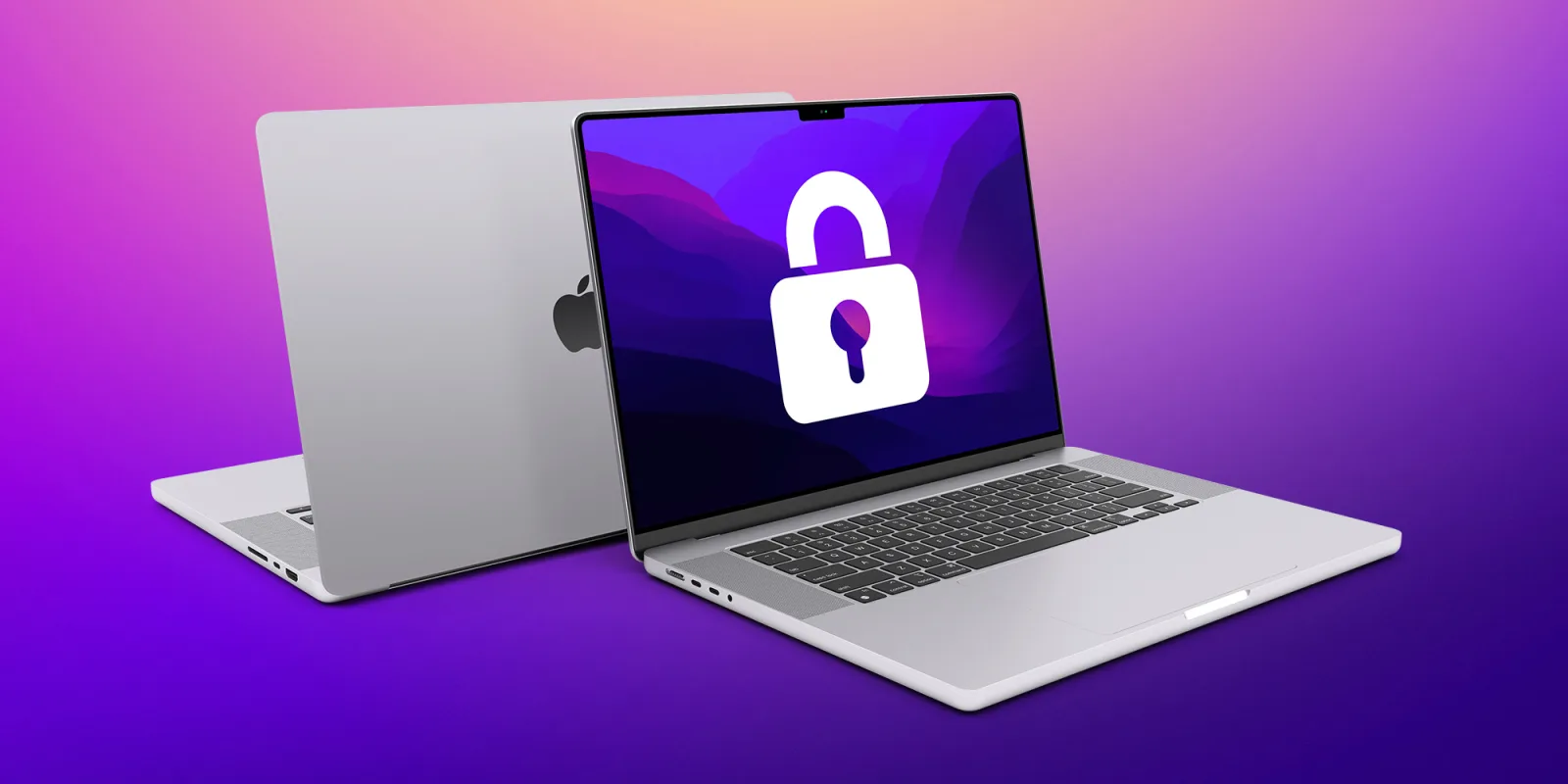
Keylock is a perilous form of ransomware that encrypts your files, rendering them inaccessible, and then demands a ransom in exchange for a decryption key. This article delves into the origins, behavior, and propagation methods of Keylock, and provides essential tips for safeguarding your computer from this menacing malware. Additionally, we will examine a ransom note typically associated with this ransomware strain.

Contents
Origins and Nature of Keylock RansomwareBehavior of Keylock RansomwareHow Keylock Ransomware SpreadsEmail AttachmentsInfected WebsitesExploiting VulnerabilitiesDrive-By DownloadsRansom Note OverviewProtecting Your Computer from Keylock RansomwareKeep Software UpdatedUse Antivirus SoftwareExercise Caution with EmailBackup Your DataEnable FirewallEducate YourselfAvoid Illegal DownloadsConclusion

Origins and Nature of Keylock Ransomware

Keylock is a malicious software program classified as ransomware. Ransomware is a type of malware that encrypts files on a victim’s computer and demands a ransom to provide the decryption key necessary to recover the files. While the specific origin of Keylock may vary, it is important to understand that it is a criminal creation with malicious intent.

Keylock is designed to encrypt a wide range of files on a victim’s system, rendering them inaccessible and appending a “.keylock” extension to the filenames. For example, a file initially named “document.doc” would become “document.doc.keylock” after encryption.

Behavior of Keylock Ransomware

Once Keylock encrypts a victim’s files, it typically creates a ransom note with a filename that includes the victim’s username, such as “README-id-[username].txt.” This ransom note contains instructions for the victim on how to pay the ransom to obtain the decryption key.

Keylock may also change the victim’s desktop wallpaper to display the ransom message, further emphasizing the urgency and seriousness of the situation. The ransom note informs the victim that their data has been encrypted and may imply that the attacker has exfiltrated some of the data.

How Keylock Ransomware Spreads

Ransomware like Keylock is typically spread through various means, including:

Email Attachments

Malicious email attachments can carry the payload of the ransomware. When recipients open the attachment, it triggers the encryption process.

Infected Websites

Visiting compromised or malicious websites can lead to the automatic download and installation of ransomware.

Exploiting Vulnerabilities

Ransomware may exploit vulnerabilities in the victim’s operating system or software to gain access to the system.

Drive-By Downloads

Ransomware can be silently downloaded onto a victim’s computer when they visit compromised websites or click on malicious links.

Ransom Note Overview

The ransom note associated with Keylock ransomware typically informs the victim that their files have been encrypted. It also suggests that the attacker may have accessed some of their data. To obtain the decryption key, the victim is instructed to pay a ransom in Bitcoin, with the specific amount usually left unspecified.

The victim is usually given a deadline, often 72 hours, to contact the cybercriminals and make the payment. If the victim fails to comply, the ransom note warns that the stolen company data will be either leaked or sold to third parties. Victims may also be allowed to test decryption by sending the attackers up to three encrypted files that don’t exceed 2MB in size and don’t contain critical information.

The ransom note advises against renaming, modifying, or deleting the encrypted files and discourages any attempts at manual decryption or the use of third-party recovery software, as these actions may lead to permanent data loss.

Protecting Your Computer from Keylock Ransomware

To protect your computer from Keylock and other ransomware threats, follow these best practices:

Keep Software Updated

Regularly update your operating system and all software to patch vulnerabilities that cybercriminals may exploit.

Use Antivirus Software

Install reputable antivirus and anti-malware software to detect and remove ransomware threats.

Exercise Caution with Email

Be cautious when opening email attachments or clicking on links in emails, especially if the sender is unknown or the email appears suspicious.

Backup Your Data

Regularly backup your files to an external or cloud storage solution. This can help you recover your data in case of a ransomware attack.

Enable Firewall

Enable and configure a firewall to block unauthorized access and downloads.

Educate Yourself

Stay informed about the latest ransomware threats and phishing techniques to recognize potential dangers.

Avoid Illegal Downloads

Refrain from downloading cracked software or visiting unauthorized websites, as these can be sources of malware.

Conclusion

Keylock ransomware is a malicious program designed to encrypt files and demand a ransom from victims for their decryption. It is crucial to remain vigilant, practice good cybersecurity hygiene, and take preventive measures to protect your computer from this and other ransomware threats. Educate yourself about common ransomware tactics and remember that cybercriminals often target unsuspecting individuals and organizations.

You Might Also Like

Bitco1n Ransomware
Theft Ransomware
Jackpot 27 (Ransomware)
LamiaLoader Ransomware
Bruk Ransomware
TAGGED:KeylockRansomware

Sign Up For Daily Newsletter

Be keep up! Get the latest breaking news delivered straight to your inbox.
By signing up, you agree to our Terms of Use and acknowledge the data practices in our Privacy Policy. You may unsubscribe at any time.
Share This Article
Facebook Copy Link Print
Share
Previous Article Intuit QuickBooks Database Encryption Upgrade: Unraveling a Phishing Scam
Next Article adware Unveiling Choose All Languages Adware: Threat Analysis and Removal Guide
Leave a Comment

Leave a Reply Cancel reply

Your email address will not be published. Required fields are marked *

Scan Your System for Malware

Don’t leave your system unprotected. Download SpyHunter today for free, and scan your device for malware, scams, or any other potential threats. Stay Protected!

Download SpyHunter 5
Download SpyHunter for Mac
✅ Free Scan Available • ⭐ Catches malware instantly
//

Check in Daily for the best technology and Cybersecurity based content on the internet.

Quick Link

  • ABOUT US
  • TERMS AND SERVICES
  • SITEMAP
  • CONTACT US

Support

Sign Up for Our Newesletter

Subscribe to our newsletter to get our newest articles instantly!


www.itfunk.orgwww.itfunk.org
© 2023 www.itfunk.org. All Rights Reserved.
  • ABOUT US
  • TERMS AND SERVICES
  • SITEMAP
  • CONTACT US
Welcome Back!

Sign in to your account

Username or Email Address
Password

Lost your password?