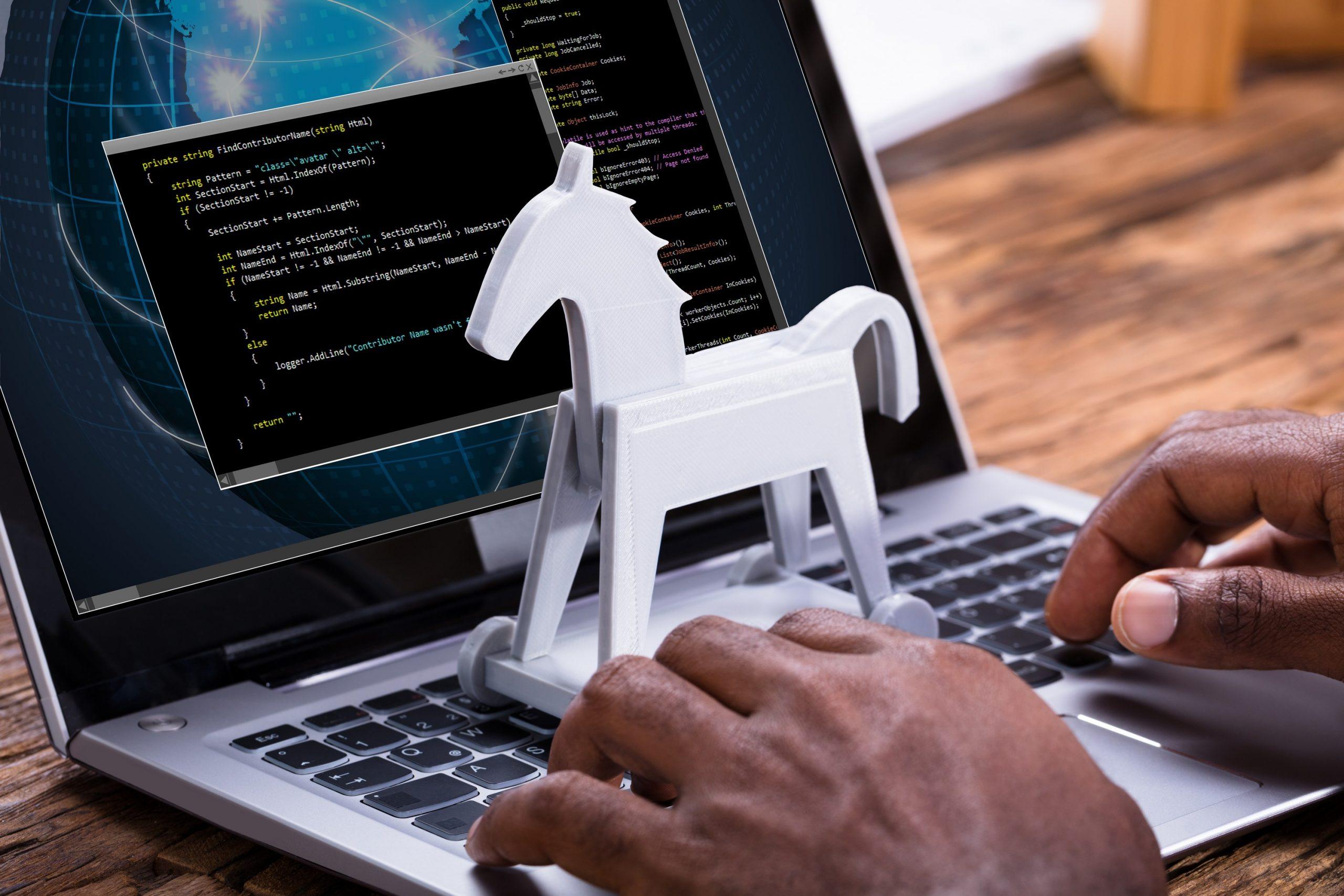












JDownloader malware refers to malicious or trojanized installers disguised as the legitimate JDownloader download manager. In recent attacks, cybercriminals replaced or bundled official installers with payloads capable of remote access, data theft, and system compromise.
- How Did I Get Infected With JDownloader Malware?
- What JDownloader Malware Does to Your Files and System
- Should You Be Worried About JDownloader Malware?
- How to Remove JDownloader Malware
- Conclusion
- Manual Trojan Malware Removal Guide
- Step 1: Boot into Safe Mode
- Step 2: Identify and Stop Malicious Processes
- Step 3: Remove Trojan-Related Files and Folders
- Step 4: Clean Trojan Malware from Registry
- Step 5: Reset Browser Settings
- Step 6: Run a Full Windows Defender Scan
- Step 7: Update Windows and Installed Software
- Automatic Trojan Removal Using SpyHunter
- Step 1: Download SpyHunter
- Step 2: Install SpyHunter
- Step 3: Scan Your System
- Step 4: Remove Detected Malware
- Step 5: Restart Your Computer
- Tips to Prevent Future Trojan Infections
| Threat Summary | Details |
|---|---|
| Threat Type | Malware / Trojanized Installer / Potentially Unwanted Program |
| Detection Names | Trojan.Generic, Win32.Agent, Riskware, PUA variants |
| Symptoms | Unexpected pop-ups, disabled antivirus, unknown background processes, browser redirects, unwanted software installs |
| Damage & Distribution | Credential theft, remote access, system modification, adware injection, browser hijacking; spread via fake or compromised installers |
| Danger Level | High |
| Removal Tool | SpyHunter |
How Did I Get Infected With JDownloader Malware?
JDownloader is a legitimate download manager, but attackers have repeatedly abused its name and installer packages. Infection usually happens when users download the software from unofficial websites, fake mirrors, or compromised installer links.
Instead of the real application, users end up installing a modified version that silently includes malicious components. These installers often look identical to the original, making it difficult to spot the threat before execution.
Other common infection routes include:
- Fake download pages mimicking the official site
- Third-party software portals bundling unwanted programs
- Cracked or repacked software distributions
- Advertisements leading to spoofed installers
What JDownloader Malware Does to Your Files and System
Once installed, the malicious version of JDownloader can behave very differently from the legitimate tool.
The payload may silently run in the background while giving attackers control over the system. In more advanced cases, it can deploy remote access tools or additional malware modules.
Typical malicious behavior includes:
- Stealing saved passwords from browsers
- Monitoring user activity
- Downloading additional malware without permission
- Disabling security software
- Creating hidden persistence mechanisms
- Redirecting browser traffic
- Installing adware or unwanted extensions
Some variants may also alter system settings, making it harder for users to remove the infection manually.
Should You Be Worried About JDownloader Malware?
Yes. This type of infection should be treated as high-risk, especially because it abuses trusted software branding.
The biggest danger comes from the fact that users willingly execute the installer, assuming it is safe. Once the malicious version runs, it can operate with the same privileges as the user account, giving attackers deep access to the system.
If you installed JDownloader from any unofficial source or during suspicious download activity, you should assume the system may be compromised and act quickly.
How to Remove JDownloader Malware
To remove the infection safely, follow these steps:
- Disconnect your device from the internet
- Boot into Safe Mode
- Uninstall any suspicious or recently added programs
- Run a full system scan using a trusted anti-malware tool
- Remove unknown browser extensions and reset browser settings
- Check startup programs and scheduled tasks for anomalies
- Change passwords for accounts used on the device
- If symptoms persist, consider a full system reinstall
In severe cases, manual removal may not fully eliminate hidden components, especially if remote access tools are involved.
Conclusion
JDownloader malware highlights how dangerous fake or modified installers can be. Even well-known software can be turned into a delivery mechanism for trojans and remote access tools when distributed through untrusted sources.
To stay safe, always download software from official websites, avoid third-party installers, and use security tools to verify files before execution. If you suspect infection, immediate removal and credential changes are essential.
Manual Trojan Malware Removal Guide
Step 1: Boot into Safe Mode
- Restart your computer.
- Before Windows starts, press the F8 key (or Shift + F8 on some systems).
- Select Safe Mode with Networking from the Advanced Boot Options menu.
- Press Enter to boot.
This prevents the Trojan from running and makes it easier to remove.
Step 2: Identify and Stop Malicious Processes
- Press Ctrl + Shift + Esc to open Task Manager.
- Go to the Processes tab (or Details in Windows 10/11).
- Look for suspicious processes using high CPU or memory, or with unfamiliar names.
- Right-click on the suspicious process and select Open File Location.
- If the file is in a temporary or system folder and looks unfamiliar, it is likely malicious.
- Right-click the process and choose End Task.
- Delete the associated file in File Explorer.
Step 3: Remove Trojan-Related Files and Folders
- Press Win + R, type %temp%, and press Enter.
- Delete all files in the Temp folder.
- Also check these directories for unfamiliar or recently created files:
- C:\Users\YourUser\AppData\Local\Temp
- C:\Windows\Temp
- C:\Program Files (x86)
- C:\ProgramData
- C:\Users\YourUser\AppData\Roaming
- Delete suspicious files or folders.
Step 4: Clean Trojan Malware from Registry
- Press Win + R, type regedit, and press Enter.
- Navigate to the following paths:
HKEY_LOCAL_MACHINE\SOFTWARE\Microsoft\Windows\CurrentVersion\RunHKEY_CURRENT_USER\SOFTWARE\Microsoft\Windows\CurrentVersion\Run
- Look for entries launching files from suspicious locations.
- Right-click and delete any entries you don’t recognize.
Warning: Editing the registry can harm your system if done improperly. Proceed with caution.
Step 5: Reset Browser Settings
Google Chrome
- Go to Settings > Reset Settings.
- Click Restore settings to their original defaults and confirm.
Mozilla Firefox
- Go to Help > More Troubleshooting Information.
- Click Refresh Firefox.
Microsoft Edge
- Go to Settings > Reset settings.
- Click Restore settings to their default values.
Step 6: Run a Full Windows Defender Scan
- Open Windows Security via Settings > Update & Security.
- Click Virus & threat protection.
- Choose Scan options, select Full scan, and click Scan now.
Step 7: Update Windows and Installed Software
- Press Win + I, go to Update & Security > Windows Update.
- Click Check for updates and install all available updates.
Automatic Trojan Removal Using SpyHunter
If manually removing the Trojan seems difficult or time-consuming, using SpyHunter is the recommended method. SpyHunter is an advanced anti-malware tool that detects and eliminates Trojan infections effectively.
Step 1: Download SpyHunter
Use the following official link to download SpyHunter: Download SpyHunter
For full instructions on how to install, follow this page: Official SpyHunter Download Instructions
Step 2: Install SpyHunter
- Locate the SpyHunter-Installer.exe file in your Downloads folder.
- Double-click the installer to begin setup.
- Follow the on-screen prompts to complete the installation.
Step 3: Scan Your System
- Open SpyHunter.
- Click Start Scan Now.
- Let the program detect all threats, including Trojan components.
Step 4: Remove Detected Malware
- After the scan, click Fix Threats.
- SpyHunter will automatically quarantine and remove all identified malicious components.
Step 5: Restart Your Computer
Restart your system to ensure all changes take effect and the threat is completely removed.
Tips to Prevent Future Trojan Infections
- Avoid downloading pirated software or opening unknown email attachments.
- Only visit trusted websites and avoid clicking on suspicious ads or pop-ups.
- Use a real-time antivirus solution like SpyHunter for ongoing protection.
- Keep your operating system, browsers, and software up to date.