










www.itfunk.orgwww.itfunk.orgwww.itfunk.org
  • Home
  • Tech News
    Tech NewsShow More
    Automated Remediation Tools
    Google–Wiz Acquisition – Latest Cybersecurity News & Impact
    1 Min Read
    UHMC Cybersecurity Clinic for Small Businesses – Latest Cybersecurity News & Impact
    0 Min Read
    Telus Cybersecurity Incident – Latest Cybersecurity News & Impact
    0 Min Read
    Digital Lifeline: Why 2026 is the Year Healthcare Cybersecurity Became Critical
    5 Min Read
    Zero Trust: How a Security Idea Became a Blueprint
    41 Min Read
  • Cyber Threats
    • Malware
    • Ransomware
    • Trojans
    • Adware
    • Browser Hijackers
    • Mac Malware
    • Android Threats
    • iPhone Threats
    • Potentially Unwanted Programs (PUPs)
    • Online Scams
    • Microsoft CVE Vulnerabilities
  • How To Guides
    How To GuidesShow More
    Tasksche.exe Malware
    Nviqri Someq Utils Unwanted Application
    4 Min Read
    How to Deal With Rbx.fund Scam
    4 Min Read
    How to Jailbreak DeepSeek: Unlocking AI Without Restrictions
    4 Min Read
    Why Streaming Services Geo-Restrict Content?
    10 Min Read
  • Product Reviews
    • Hardware
    • Software
  • IT/Cybersecurity Best Practices
    IT/Cybersecurity Best PracticesShow More
    UHMC Cybersecurity Clinic for Small Businesses – Latest Cybersecurity News & Impact
    0 Min Read
    Log Correlation Engine
    BISO – The Operational Bridge Between Cybersecurity and Business Lines
    0 Min Read
    Digital Lifeline: Why 2026 is the Year Healthcare Cybersecurity Became Critical
    5 Min Read
    Zero Trust: How a Security Idea Became a Blueprint
    41 Min Read
    Under the Hood of Microsoft’s May 2025 Patch Tuesday: The CLFS and WinSock Problem Microsoft Can’t Seem to Fix
    7 Min Read
  • FREE SCAN
  • Cybersecurity for Business
Search
  • ABOUT US
  • TERMS AND SERVICES
  • SITEMAP
  • CONTACT US
© 2023 ITFunk.org. All Rights Reserved.
Reading: “Chase ‑ Verification To Protect Your Account” Email Scam
Share
Notification Show More
Font ResizerAa
www.itfunk.orgwww.itfunk.org
Font ResizerAa
  • Tech News
  • How To Guides
  • Cyber Threats
  • Product Reviews
  • Cybersecurity for Business
  • Free Scan
Search
  • Home
  • Tech News
  • Cyber Threats
    • Malware
    • Ransomware
    • Trojans
    • Adware
    • Browser Hijackers
    • Mac Malware
    • Android Threats
    • iPhone Threats
    • Potentially Unwanted Programs (PUPs)
    • Online Scams
  • How To Guides
  • Product Reviews
    • Hardware
    • Software
  • IT/Cybersecurity Best Practices
  • Cybersecurity for Business
  • FREE SCAN
Follow US
  • ABOUT US
  • TERMS AND SERVICES
  • SITEMAP
  • CONTACT US
© 2023 ITFunk.org All Rights Reserved.
www.itfunk.org > Blog > Cyber Threats > Online Scams > “Chase ‑ Verification To Protect Your Account” Email Scam
Online Scams

“Chase ‑ Verification To Protect Your Account” Email Scam

How to Deal With Chase ‑ Verification To Protect Your Account Email Scam – Safety Guide

ITFunk Research
Last updated: April 2, 2026 9:02 pm
ITFunk Research
Share
phishing email
How to Deal With Chase ‑ Verification To Protect Your Account Email Scam – Safety Guide
SHARE

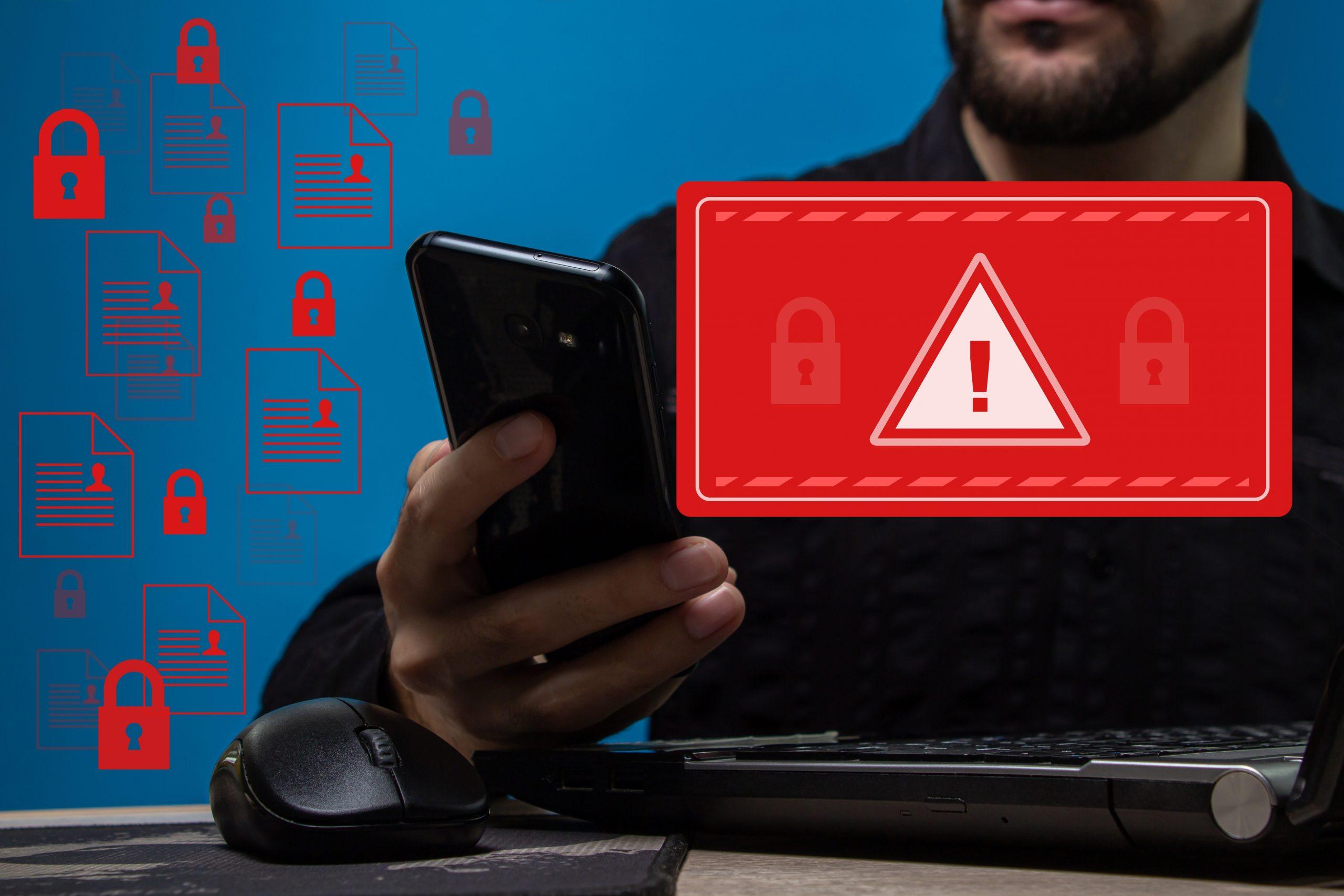
Warning: The Chase ‑ Verification To Protect Your Account email is a scam designed to steal your banking credentials. This guide explains how to spot it, what risks it poses, and what to do if you encounter it.

Contents
Scam OverviewHow the Chase Verification Email Scam WorksSigns You’re Being Targeted by This ScamSteps to Protect YourselfWhy This MattersHow to Stay Safe From Bank Phishing EmailsManual Removal Guide: How to Identify and Remove Email Scams YourselfStep 1: Recognizing Scam EmailsStep 2: Avoid Interacting with Scam EmailsStep 3: Report the Email ScamStep 4: Block the SenderStep 5: Check Your Accounts for CompromiseStep 6: Scan Your Device for MalwareStep 7: Strengthen Email SecuritySpyHunter Removal Guide: Automated Solution for Email Scam ThreatsStep 1: Download SpyHunterStep 2: Install SpyHunterStep 3: Perform a Full System ScanStep 4: Review and Remove Detected ThreatsStep 5: Enable Real-Time ProtectionStep 6: Keep SpyHunter UpdatedHow to Prevent Future Email ScamsUse a Secure Email ProviderAvoid Clicking Suspicious LinksUse a VPN on Public Wi-FiRegularly Change Your PasswordsInstall Anti-Phishing Browser ExtensionsTake Action Now

Scan Your Your Device for “Chase ‑ Verification To Protect Your Account” Email Scam

✅ Detects & Removes Malware

🛡️ Protects against infections

Download SpyHunter 5
Download SpyHunter for Mac

✅ Free Scan 

✅13M Scans/Month

Don’t leave your system unprotected. Download SpyHunter today for free, and scan your device for malware, scams, or any other potential threats. Stay Protected!


Scam Overview

Threat TypePhishing / Scam / Fraud
Associated EmailChase ‑ Verification To Protect Your Account
SymptomsFake account alert, suspicious link, urgent verification request
Damage & DistributionStolen login credentials, potential unauthorized bank transactions, identity theft; delivered via email spam
Danger LevelHigh (financial and personal risk)

How the Chase Verification Email Scam Works

This scam arrives in your inbox looking like a legitimate security alert from Chase Bank. It claims your account has been temporarily restricted due to unusual activity and urges you to click a “Review Account” button.

Clicking the link takes you to a fake login page that looks almost identical to Chase’s real website. If you enter your username, password, or other sensitive information, attackers capture it and can access your real account.

The scam often pressures you to act quickly, warning you not to change your password until verification is complete, which is a tactic to keep you from securing your account independently. The email may also include case numbers or urgent language to make it seem more legitimate.


Signs You’re Being Targeted by This Scam

  1. The email asks you to click a link to restore account access.
  2. Urgent language suggests immediate action is required.
  3. The sender’s email address doesn’t match official Chase domains.
  4. Links direct you to URLs that don’t match chase.com.
  5. Requests for personal information or login credentials via email.

If you notice any of these signs, do not click any links or provide information.


Steps to Protect Yourself

1. Access your account directly
Always open a browser and type https://www.chase.com manually. Never use links in suspicious emails.

2. Check the sender and links carefully
Phishing emails often use addresses that look official but include small errors. Hover over any links to preview the URL before clicking.

3. Report the scam
Forward suspicious emails to Chase at phishing@chase.com. This helps the bank track phishing attempts.

4. Secure your account if compromised
If you entered information on a phishing page, change your password immediately, enable two-factor authentication, and contact Chase support.

5. Monitor your account
Regularly check your statements for unauthorized activity and report anything suspicious.

6. Educate yourself
Stay informed about email phishing and banking scams to recognize future attacks quickly.


Why This Matters

Falling for a Chase verification scam can result in:

  • Loss of funds from your account
  • Identity theft
  • Compromised linked accounts
  • Long-term financial complications

Even one click on a phishing link can expose your login credentials, so prevention is critical.


How to Stay Safe From Bank Phishing Emails

  • Never respond to urgent emails without verifying through official channels.
  • Use strong, unique passwords for all banking and financial accounts.
  • Enable multi-factor authentication for extra security.
  • Regularly update your security software and browser to prevent malicious redirects.

Scan Your Your Device for “Chase ‑ Verification To Protect Your Account” Email Scam

✅ Detects & Removes Malware

🛡️ Protects against infections

Download SpyHunter 5
Download SpyHunter for Mac

✅ Free Scan 

✅13M Scans/Month

Don’t leave your system unprotected. Download SpyHunter today for free, and scan your device for malware, scams, or any other potential threats. Stay Protected!

Manual Removal Guide: How to Identify and Remove Email Scams Yourself

Step 1: Recognizing Scam Emails

Before taking action, learn to identify email scams. Some common red flags include:

  • Unknown Sender: Emails from unfamiliar addresses, especially if they claim to be from banks, tech support, or government agencies.
  • Urgent or Threatening Language: Messages pressuring you to act quickly (e.g., “Your account will be suspended!”).
  • Poor Grammar & Spelling Mistakes: Many scam emails contain grammatical errors.
  • Suspicious Links or Attachments: Hover over links to check if they lead to an unusual website before clicking.
  • Requests for Personal or Financial Information: Legitimate companies will never ask for sensitive details via email.

Step 2: Avoid Interacting with Scam Emails

If an email appears suspicious:

  • Do NOT click on any links.
  • Do NOT download attachments.
  • Do NOT reply to the sender.

Step 3: Report the Email Scam

Reporting scam emails helps prevent others from falling victim to them:

  • Gmail/Outlook/Yahoo Users: Click “Report Phishing” or “Report Spam” in your email client.
  • FTC (U.S. users): Report scams to the FTC Complaint Assistant.
  • Google Safe Browsing: Report phishing sites at Google’s Phishing Report.

Step 4: Block the Sender

To prevent further scam emails from the same sender:

  • Gmail: Open the email, click the three dots, and select “Block [Sender Name]”.
  • Outlook: Open the email, select “Junk” > “Block Sender”.
  • Yahoo Mail: Click “More” > “Block Sender”.

Step 5: Check Your Accounts for Compromise

If you’ve interacted with a scam email:

  • Change your passwords immediately. Use strong, unique passwords.
  • Enable Two-Factor Authentication (2FA). Adds an extra security layer.
  • Monitor your banking transactions for suspicious activity.

Step 6: Scan Your Device for Malware

If you accidentally clicked a link or downloaded a file, scan your system for malware:

  • Windows Users (Windows Defender)
    • Go to Settings > Update & Security > Windows Security > Virus & Threat Protection.
    • Click “Quick Scan” or “Full Scan”.
  • Mac Users
    • Use security software like Malwarebytes for Mac to scan for threats.

Step 7: Strengthen Email Security

  • Enable spam filtering in your email provider’s settings.
  • Use a third-party spam filter such as Spamihilator or Mailwasher.
  • Stay educated on phishing techniques to avoid falling for scams in the future.

SpyHunter Removal Guide: Automated Solution for Email Scam Threats

Scan Your Your Device for “Chase ‑ Verification To Protect Your Account” Email Scam

✅ Detects & Removes Malware

🛡️ Protects against infections

Download SpyHunter 5
Download SpyHunter for Mac

✅ Free Scan 

✅13M Scans/Month

Don’t leave your system unprotected. Download SpyHunter today for free, and scan your device for malware, scams, or any other potential threats. Stay Protected!

SpyHunter is a powerful anti-malware tool designed to detect and remove phishing-related threats, Trojans, spyware, and other cyber threats. If you prefer a quick and automated solution, follow these steps:

Step 1: Download SpyHunter

  1. Visit the official SpyHunter download page: Download SpyHunter
  2. Click “Download” and save the file.
Download SpyHunter 5
Download SpyHunter for Mac

Step 2: Install SpyHunter

  1. Open the downloaded file (SpyHunter-Installer.exe).
  2. Follow the on-screen installation instructions.
  3. Once installed, launch SpyHunter.

Step 3: Perform a Full System Scan

  1. Open SpyHunter and go to “Malware/PC Scan”.
  2. Click “Start Scan Now” to begin scanning.
  3. SpyHunter will detect threats linked to email scams.

Step 4: Review and Remove Detected Threats

  1. After the scan completes, SpyHunter will display a list of detected threats.
  2. Click "Fix Threats" to remove them.
  3. Restart your computer after removal.

Step 5: Enable Real-Time Protection

  • Activate SpyHunter’s Active Guards for real-time malware protection.
  • Schedule regular system scans for ongoing security.

Step 6: Keep SpyHunter Updated

  • Regularly update SpyHunter to detect new threats.
  • To update, go to "Settings" > "Update" and click "Check for Updates".

How to Prevent Future Email Scams

To avoid falling for email scams in the future, follow these precautions:

Use a Secure Email Provider

Consider using encrypted email services like ProtonMail or Tutanota for enhanced security.

Avoid Clicking Suspicious Links

Always verify links before clicking by hovering over them to see the actual URL.

Use a VPN on Public Wi-Fi

Scammers can intercept your data on public networks. Use a VPN for secure browsing.

Regularly Change Your Passwords

Use a password manager to generate and store secure passwords.

Install Anti-Phishing Browser Extensions

Use security extensions like Bitdefender TrafficLight or Avast Online Security to detect phishing attempts.


Email scams pose a significant risk to personal and financial security. By following this manual removal guide, you can effectively identify and remove scam emails. For those seeking a fast and automated approach, SpyHunter provides a reliable solution to detect and remove email scam-related threats.

Take Action Now

Protect your device from scam-related malware with SpyHunter: Download SpyHunter

Download SpyHunter 5
Download SpyHunter for Mac

Scan Your Your Device for “Chase ‑ Verification To Protect Your Account” Email Scam

✅ Detects & Removes Malware

🛡️ Protects against infections

Download SpyHunter 5
Download SpyHunter for Mac

✅ Free Scan 

✅13M Scans/Month

Don’t leave your system unprotected. Download SpyHunter today for free, and scan your device for malware, scams, or any other potential threats. Stay Protected!

You Might Also Like

Protocol ($POWER) Airdrop Scam
“Security Verification Required” Email Scam
“Truist Account Requires Verification” Email Scam
“Account Security Notification” Email Scam
“Zoho File Shared With You” Scam
TAGGED:avoid bank email scamsbank phishing protectionChase login scamChase phishing emailChase verification email scamfake Chase alertidentify phishing emailsonline banking fraud preventionphishing email warningsecure Chase account

Sign Up For Daily Newsletter

Be keep up! Get the latest breaking news delivered straight to your inbox.
By signing up, you agree to our Terms of Use and acknowledge the data practices in our Privacy Policy. You may unsubscribe at any time.
Share This Article
Facebook Copy Link Print
Share
Previous Article CrySome RAT
Next Article Ultimate Stealer
Leave a Comment

Leave a Reply Cancel reply

Your email address will not be published. Required fields are marked *

Scan Your System for Malware

Don’t leave your system unprotected. Download SpyHunter today for free, and scan your device for malware, scams, or any other potential threats. Stay Protected!

Download SpyHunter 5
Download SpyHunter for Mac
✅ Free Scan Available • ⭐ Catches malware instantly
//

Check in Daily for the best technology and Cybersecurity based content on the internet.

Quick Link

  • ABOUT US
  • TERMS AND SERVICES
  • SITEMAP
  • CONTACT US

Support

Sign Up for Our Newesletter

Subscribe to our newsletter to get our newest articles instantly!


www.itfunk.orgwww.itfunk.org
© 2023 www.itfunk.org. All Rights Reserved.
  • ABOUT US
  • TERMS AND SERVICES
  • SITEMAP
  • CONTACT US
Welcome Back!

Sign in to your account

Username or Email Address
Password

Lost your password?