
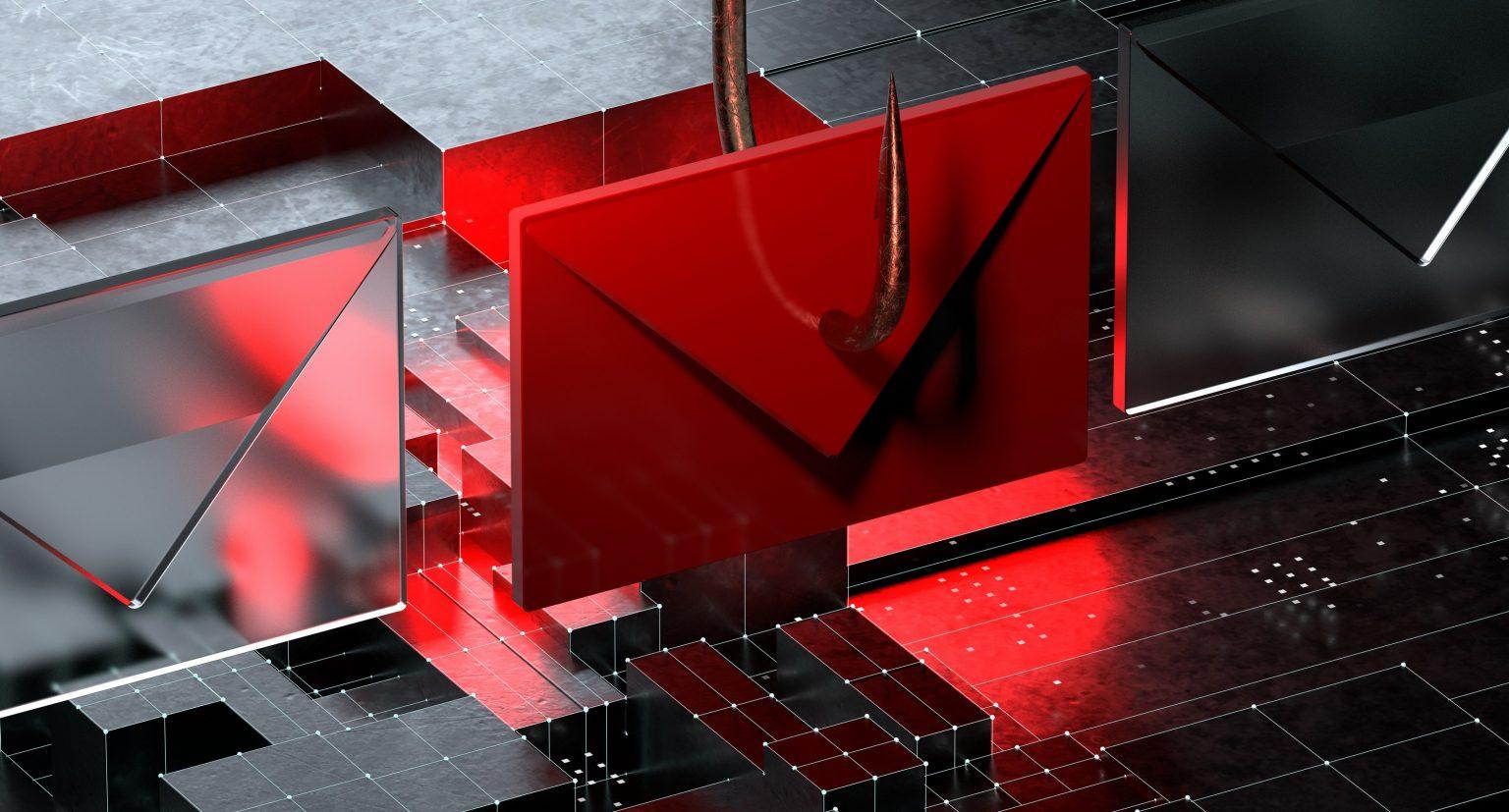







Warning: This fake “service interruption” email is a phishing scam designed to steal your login credentials and compromise your accounts.
If you’ve received a message claiming that your email service will be temporarily interrupted unless you take immediate action, it is almost certainly a scam. These attacks target users by creating a false sense of urgency and tricking them into revealing sensitive information.
🧾 Brief Service Interruption Email Scam Overview
| Category | Details |
|---|---|
| Threat Type | Phishing / Scam / Social Engineering |
| Associated Email | Fake “service interruption” or “mailbox issue” alerts |
| Detection Names | Phishing.Email, Credential-Stealer |
| Symptoms | Unexpected email prompting account verification, fake login page, account login issues |
| Damage & Distribution | Email account takeover, identity theft, financial fraud |
| Danger Level | 🔴 High |
| Removal Tool | SpyHunter |
How the Brief Service Interruption Email Scam Tricks Users
The scam email pretends to be from your email provider and warns of a “temporary issue” affecting your inbox. Its goal is to make you panic and click a link that leads to a fake login page.
Key tactics used by this scam:
- Urgency and fear: The email often says your messages are on hold or your account will be suspended.
- Fake login portals: Links take you to pages that look identical to real email login screens.
- Credential theft: Anything entered on these pages is sent directly to scammers.
The scam is effective because it exploits trust in familiar services and common anxiety about losing access to email.
Typical Structure of the Scam Email
While wording may vary, most versions follow this format:
Subject: Brief Service Interruption Notice
Dear User,
Your email account has a temporary issue, and some messages are on hold.
Please verify your account immediately to avoid service disruption.
[Validate Now]
Remember: legitimate email providers never ask for passwords through links in urgent emails.
What Happens If You Fall for This Scam
If you enter your credentials, you risk:
- Account Takeover: Scammers gain full access to your email and can lock you out.
- Identity Theft: They can impersonate you to scam friends or contacts.
- Financial Fraud: Linked banking or shopping accounts may be accessed.
- Malware Distribution: Compromised accounts may spread malicious links to others.
Even one compromised email account can become the gateway to multiple services and accounts.
How to Respond If You Clicked the Link
Immediate action can prevent further damage:
- Change your password for your email and any accounts that share the same credentials.
- Enable two-factor authentication (2FA) for added security.
- Check recent login activity for suspicious access.
- Contact your email provider to secure your account.
- Run a full malware scan to ensure no malicious software was installed.
How to Spot Email Service Alert Scams
Scammers rely on consistent patterns:
- Generic greetings like “Dear User”
- Threatening language (“act now,” “account will be suspended”)
- Links or sender addresses that don’t match the official provider
- Requests for login credentials or sensitive information
- Unexpected account warnings or alerts
Being aware of these signs can prevent falling victim to mailbox interruption phishing scams.
Conclusion
The Brief Service Interruption email scam is a phishing attack aimed at stealing your login credentials and personal information. The key to protecting yourself is skepticism: don’t click links, don’t enter credentials, and verify any alerts directly on your email provider’s website.
Stay vigilant, protect your accounts, and educate yourself about email phishing tactics.