

















Why Serverless Security Matters More Than Ever
Serverless computing is transforming how businesses build and scale applications—but it’s also reshaping cybersecurity.
With platforms like AWS Lambda, Azure Functions, and Google Cloud Functions, companies no longer manage servers. That sounds like a security win—but it’s only half the story.
Here’s the reality: while cloud providers secure the infrastructure, your business is still responsible for application security, access control, and data protection.
And that’s exactly where serverless security solutions come in.
What Are Serverless Security Solutions?
Serverless security solutions are tools, practices, and frameworks designed to protect serverless (Function-as-a-Service) environments from cyber threats.
They focus on securing:
- Application code
- APIs and event triggers
- Identity and access management (IAM)
- Data flows and storage
- Third-party integrations
Unlike traditional security tools, serverless security must adapt to:
- Ephemeral workloads (functions run for seconds)
- Highly distributed architectures
- Event-driven execution models
Key Benefits of Serverless Security for Businesses
1. Reduced Attack Surface
Serverless functions are short-lived and single-purpose, meaning attackers have less time and fewer entry points to exploit.
2. Built-In Infrastructure Security
Cloud providers automatically handle:
- OS patching
- Runtime updates
- Infrastructure hardening
This significantly reduces operational risk for businesses.
3. Cost-Efficient Security Model
Serverless environments use a pay-per-execution model, eliminating idle infrastructure costs and allowing businesses to scale securely without overspending.
4. Easier Compliance
Serverless architectures simplify compliance with standards like GDPR and PCI DSS by leveraging built-in encryption and managed services.
Top Serverless Security Risks Businesses Must Address
Despite its advantages, serverless introduces unique vulnerabilities.
1. Misconfigured Permissions
Overly broad IAM roles can give attackers access to sensitive data or systems.
👉 Example: A single compromised function could expose entire databases.
2. Insecure APIs
APIs are the primary entry point for serverless applications. Without proper authentication and validation, they become easy targets.
3. Poor Secrets Management
Hardcoded credentials or exposed API keys are a major risk in serverless environments.
4. Denial-of-Wallet (DoW) Attacks
Attackers can trigger massive numbers of function executions, causing unexpected cloud cost spikes.
5. Limited Visibility and Monitoring
Traditional monitoring tools often fail in serverless environments due to their distributed and short-lived nature.
Essential Serverless Security Solutions & Tools
To secure your environment, businesses should implement a layered approach.
1. Identity and Access Management (IAM)
- Enforce least privilege access
- Use role-based access control (RBAC)
- Regularly audit permissions
👉 This limits damage if a function is compromised.
2. API Gateway Security
API gateways act as a protective layer between users and functions.
Key features:
- OAuth authentication
- Rate limiting (prevents DDoS)
- Input validation
These controls ensure only legitimate traffic reaches your functions.
3. Secrets Management Solutions
Use secure vaults such as:
- AWS Secrets Manager
- Azure Key Vault
- HashiCorp Vault
Avoid storing sensitive data in code or environment variables.
4. Runtime Protection & Monitoring
Implement tools that provide:
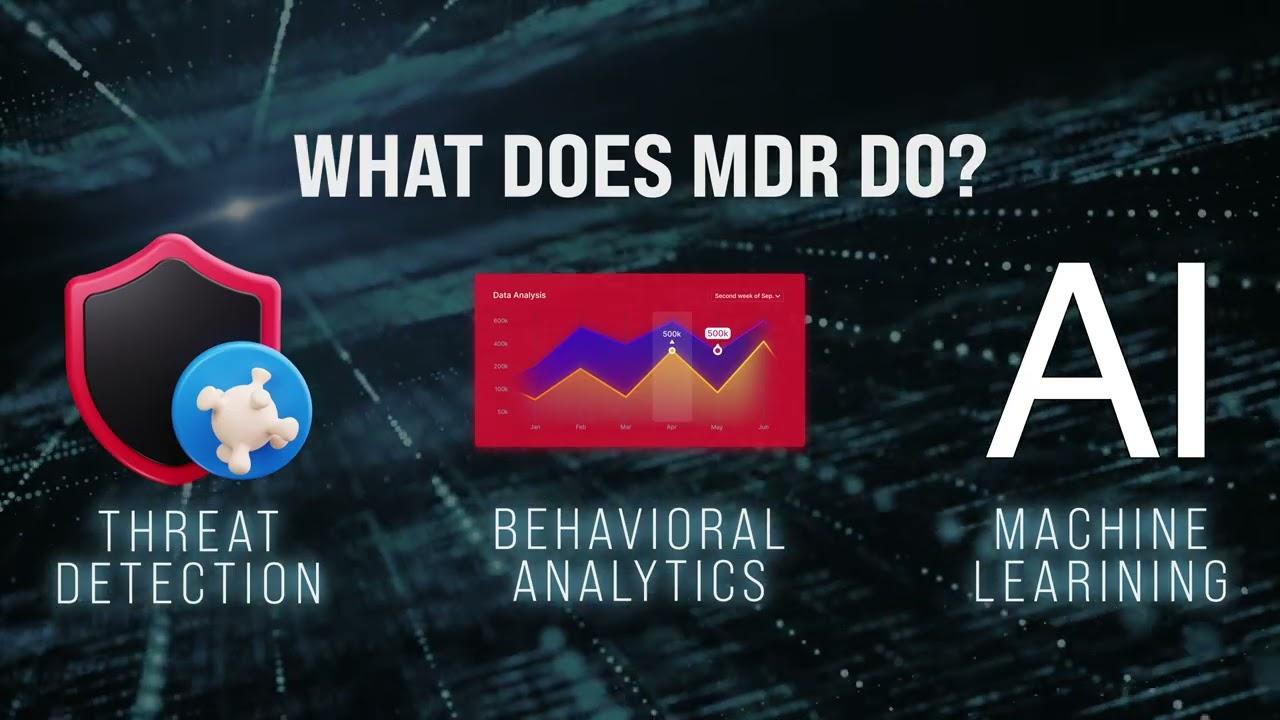
- Real-time threat detection
- Function-level logging
- Behavioral analytics
This helps detect anomalies in ephemeral workloads.
5. Encryption & Data Protection
- Encrypt data in transit and at rest
- Use managed key services
- Apply tokenization where needed
6. DevSecOps Integration
Security must be embedded into your CI/CD pipeline:
- Code scanning for vulnerabilities
- Dependency checks
- Automated security testing
Modern frameworks can detect the majority of vulnerabilities early in development pipelines.
Serverless Security Best Practices for SMEs
Here are actionable steps your business can implement today:
✔ Apply the Principle of Least Privilege
Grant only necessary permissions to each function.
✔ Segment Functions
Break applications into smaller, isolated functions to limit breach impact.
✔ Secure All APIs
Use authentication, validation, and throttling.
✔ Monitor Everything
Deploy centralized logging and alerting systems.
✔ Validate Inputs
Prevent injection attacks by sanitizing all incoming data.
✔ Use Zero Trust Architecture
Verify every request—internal or external—before granting access.
How SpyHunter Supports Serverless Security
While serverless environments reduce infrastructure risks, endpoints (developer machines, admin systems, and connected devices) remain vulnerable.
That’s where SpyHunter anti-malware software becomes essential.
Why Businesses Choose SpyHunter:
- Advanced malware detection and removal
- Protection against spyware, ransomware, and trojans
- Ideal for distributed teams working on cloud-native apps
- Multi-device (multi-license) protection for SMEs
👉 Secure all your endpoints with SpyHunter’s multi-license solution.
Real-World Example: Serverless Breach Risk
A misconfigured cloud environment led to a major breach exposing millions of user records due to:
- Weak IAM policies
- Poor API security
- Lack of monitoring
This highlights a key lesson:
Serverless doesn’t eliminate risk—it shifts responsibility.
Future Trends in Serverless Security
Businesses should prepare for:
🔹 AI-Powered Threat Detection
Automated tools that detect anomalies in real time.
🔹 Unified Cloud Security Platforms
Single dashboards for multi-cloud environments.
🔹 Policy-as-Code
Automating compliance and security rules across deployments.
🔹 Increased Regulation
Stricter requirements for cloud-native security practices.
Conclusion: Secure Your Serverless Future
Serverless computing offers speed, scalability, and cost savings—but without proper security, it can expose your business to serious threats.
The key takeaway:
- Cloud providers secure the infrastructure
- Your business must secure everything else
Take Action Today:
- Implement least privilege access
- Secure APIs and secrets
- Invest in monitoring and runtime protection
- Protect endpoints with trusted anti-malware tools
👉 Strengthen your overall security posture with SpyHunter’s multi-license solution.
Cybersecurity for Business
Your business faces constantly evolving cyber threats that can jeopardize sensitive data, disrupt operations, and damage your reputation. Our cybersecurity for business solutions are tailored to meet the unique challenges of companies of all sizes, providing robust protection against malware, phishing, ransomware, and more.
Whether you’re a small startup or a large enterprise, we offer multi-license cybersecurity packages that ensure seamless protection for your entire team, across all devices. With advanced features like real-time threat monitoring, endpoint security, and secure data encryption, you can focus on growing your business while we handle your digital security needs.
Get a Free Quote Today! Safeguard your business with affordable and scalable solutions. Contact us now to request a free quote for multi-license cybersecurity packages designed to keep your company safe and compliant. Don’t wait—protect your business before threats strike!