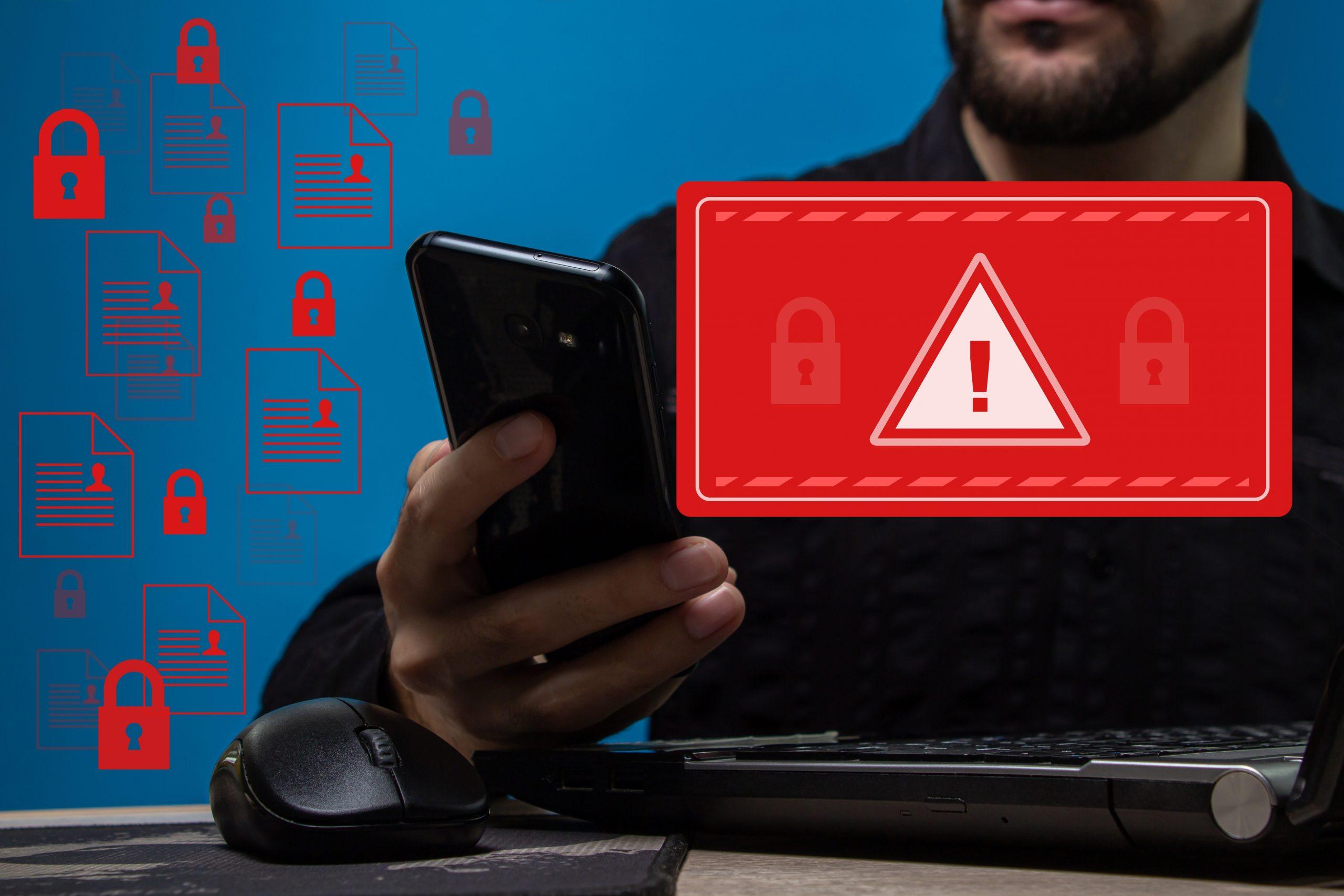














Warning: This scam pretends to detect system failure or malware via a browser pop‑up. Don’t trust it—it’s fake, aimed at tricking you into downloading software or paying for something you don’t need.
Think Your PC Has a Virus? This Alert Is a Lie.
You’re casually browsing a website when, out of nowhere, a huge red warning hijacks your screen. It says: “SYSTEM SECURITY ALERT – Your computer is infected!” There’s flashing graphics, fake scan bars, and a voice screaming that your system is at risk. Sound familiar? This isn’t a real antivirus alert—it’s a browser-based scam designed to trick you into panic-clicking.
The SYSTEM SECURITY ALERT pop-up is part of a widespread scareware campaign that manipulates users into downloading fake software, handing over credit card info, or unknowingly installing malware. In this guide, we’ll break down exactly how it works, what to do if you see it, and how to protect yourself going forward.
Scam Summary Table
| Item | Info |
|---|---|
| Scam Name | SYSTEM SECURITY ALERT Pop‑Up Scam |
| Associated Domain / Medium | Rogue websites; fake browser pop‑ups; malvertising / redirects |
| Detection Names | “SYSTEM SECURITY ALERT”, “Windows system failure detected!”, “Update Antivirus immediately” |
| Typical Messages | Fake security alerts claiming malware, crashing system, or immediate threat |
| What It Tries to Make You Do | Download or purchase (fake) antivirus software; install malware; follow affiliate links |
| Damage / Risk | Malware infections, financial fraud, stolen credentials, privacy breaches |
| Distribution Methods | Malvertising, redirect chains, spam emails, social media links |
| Danger Level | Moderate to High |
How SYSTEM SECURITY ALERT Pop‑Up Scam Tricks You
This scam uses full-screen browser pop-ups styled to look like official Windows or antivirus system alerts. They often simulate system scans and display alarming messages like:
- “Your system has been infected!”
- “Windows has detected malware!”
- “Click here to update antivirus and protect your data!”
Some even fake audio warnings or flashing screens to increase the pressure. Once you click, you’re redirected to download software—sometimes legitimate, but often malicious or unnecessary. Other versions trick you into calling fake tech support lines or submitting payment details for a bogus antivirus license.
Why This Scam Works
The SYSTEM SECURITY ALERT scam uses fear and urgency to catch users off guard. It mimics official system messages so convincingly that many people believe it’s real. Since it appears in the browser, not everyone realizes it’s just a webpage pretending to be a system alert.
The scammers count on your instinct to act fast. They’re betting you’ll click “Update” before stopping to question whether the message came from your real antivirus software—or just your browser.
What’s Fake & What’s Real
| Fake | Real |
|---|---|
| Website pop-ups claiming your PC has malware | Security alerts from your installed antivirus |
| Browser messages with fake scan bars | OS-level alerts from Windows Security Center |
| Urgent “system failure” warnings from unknown pages | Notifications from trusted apps or Microsoft update tools |
| Requests to download software from random links | Downloads from official vendor sites or app stores |
How to Respond If You See “SYSTEM SECURITY ALERT”
- Do NOT click any buttons. Even “Cancel” or “Close” can trigger redirects.
- Close the browser tab or window entirely. Use Task Manager (Ctrl+Shift+Esc) if needed.
- Clear your browser cache and cookies to prevent future pop-up triggers.
- Check for browser extensions or plugins that may be causing redirects.
- Run a full system scan with a trusted anti-malware program.
- Avoid shady websites, cracked software sites, and ad-heavy domains.
Why Websites Can’t Scan Your PC
Websites are confined to your browser—they can’t access your hard drive, your antivirus, or your files. So any website that claims to have found malware on your computer is lying. These alerts are just animated webpages designed to look like system warnings.
Real virus scans only come from installed software with system-level permissions.
Should You Be Worried About SYSTEM SECURITY ALERT Scam?
Yes, especially if you clicked the alert or downloaded anything. Even if you didn’t install software, just visiting a rogue site can sometimes trigger malicious scripts or tracking mechanisms. In more aggressive variants, these scams deliver adware, steal payment data, or install keyloggers.
If you entered credit card info or downloaded a suspicious program, you should:
- Contact your bank to flag suspicious transactions.
- Change your passwords, especially if stored in your browser.
- Use a reputable malware removal tool to scan and clean your system.
How To Spot Similar Scams in the Future
- Look at the address bar. Scam pages often use long, confusing URLs or spoofed domains.
- Ask yourself: Did I install this antivirus tool? If not, why is it showing alerts?
- Real security warnings come from your operating system or antivirus program—not your browser.
- Don’t act out of panic. If something feels off, it probably is.
Conclusion
The SYSTEM SECURITY ALERT scam is a clever bit of social engineering that plays on fear. It pretends to protect your PC but really aims to exploit your trust. Fortunately, it’s easy to beat: don’t click, close the window, and clean your browser. With a bit of caution and the right tools, you can shut down these scams before they get a foothold.