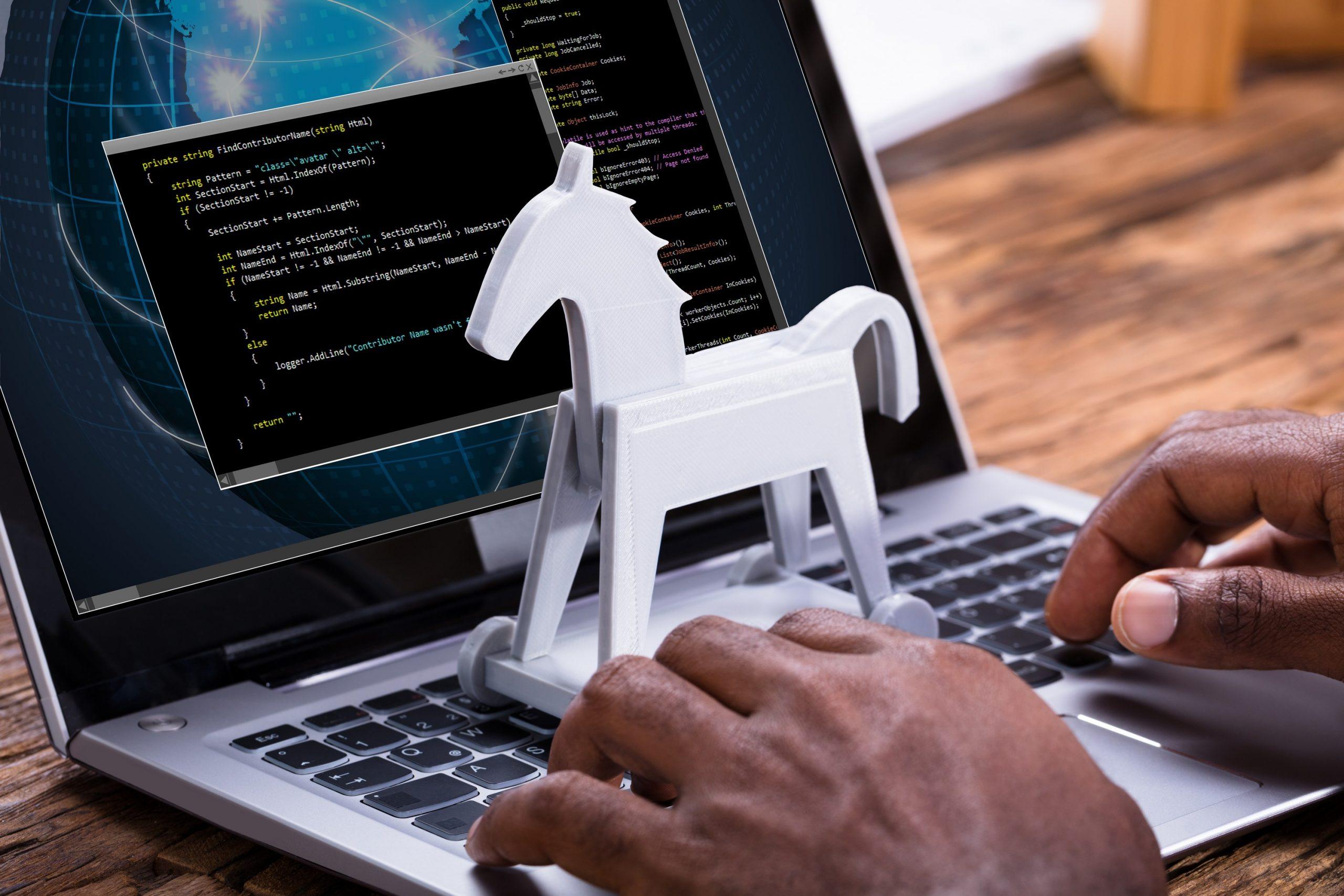














A new cross-platform Remote Access Trojan called ZynorRAT has emerged, targeting both Windows and Linux systems. Written in Go and controlled via Telegram, ZynorRAT allows threat actors to spy, steal data, and execute commands remotely — all while staying largely undetected. Its modular design, stealthy communication, and focus on Linux persistence make it a high-risk threat, especially for sysadmins and SMBs.
Let’s break down what it does, how it works, and what you can do to remove and prevent infections.
Threat Summary – ZynorRAT
| Threat Type | Remote Access Trojan (RAT) |
|---|---|
| Detection Names | Trojan.Go.Zynor, Trojan.Linux.Zynor, Backdoor.Go.Zynor |
| Symptoms | System slowdown, suspicious background activity, unauthorized screenshots, missing files |
| Damage & Distribution | File theft, remote command execution, persistence via services, spread via Telegram-controlled drop links |
| Danger Level | High – full system access and data exfiltration |
How ZynorRAT Installs on Systems
ZynorRAT spreads through malicious file downloads, cracked software, and trojanized utilities hosted on public file-sharing platforms like Dosya.co. Once executed, the malware installs itself silently and begins communicating with its operator via a Telegram bot.
The Linux variant is particularly robust, creating a persistent service using systemd. Interestingly, even the Windows variant attempts to use similar Linux-style persistence, suggesting that part of its development is still in progress.
Common infection vectors include:
- Malicious software bundles
- Fake tools or utilities
- Phishing emails with links to payloads
- Pirated software packages
What Data ZynorRAT Tries to Steal
ZynorRAT grants attackers remote control of the infected machine and allows them to perform a wide range of espionage and disruption tasks. These include:
- File system access: Attackers can browse and exfiltrate files.
- Process management: They can view and terminate running processes.
- System profiling: The RAT collects details about the operating system, hardware, and software environment.
- Screenshot capture: Screenshots are taken on-demand and sent to the attacker.
- Remote shell execution: Commands can be executed directly from the command-and-control server.
The malware uses specific command endpoints such as /fs_list, /proc_list, /capture_display, and /metrics to handle these operations.
All communication is routed through a Telegram bot – an increasingly common method for C2 infrastructure that blends in with normal encrypted traffic.
Persistence Tactics Used by ZynorRAT
The Linux variant of ZynorRAT uses systemd to create a persistent service that restarts on boot. This allows the attacker to maintain long-term access even after system restarts or user logouts.
The malware also tries to remain undetected by avoiding traditional malware behavior like spawning visible windows or triggering alerts. Its use of Go (Golang) also complicates detection, as Go binaries are often large and less scrutinized by legacy antivirus tools.
Key persistence mechanisms include:
- Creation of
.serviceunits under/etc/systemd/system/ - Auto-start entries that don’t show up in standard startup managers
- Encrypted Telegram-based command polling
The Windows version appears less mature, attempting to replicate Linux techniques unsuccessfully. However, this suggests active development and potential evolution toward a more dangerous Windows RAT in the future.
Manual Trojan Malware Removal Guide
Step 1: Boot into Safe Mode
- Restart your computer.
- Before Windows starts, press the F8 key (or Shift + F8 on some systems).
- Select Safe Mode with Networking from the Advanced Boot Options menu.
- Press Enter to boot.
This prevents the Trojan from running and makes it easier to remove.
Step 2: Identify and Stop Malicious Processes
- Press Ctrl + Shift + Esc to open Task Manager.
- Go to the Processes tab (or Details in Windows 10/11).
- Look for suspicious processes using high CPU or memory, or with unfamiliar names.
- Right-click on the suspicious process and select Open File Location.
- If the file is in a temporary or system folder and looks unfamiliar, it is likely malicious.
- Right-click the process and choose End Task.
- Delete the associated file in File Explorer.
Step 3: Remove Trojan-Related Files and Folders
- Press Win + R, type %temp%, and press Enter.
- Delete all files in the Temp folder.
- Also check these directories for unfamiliar or recently created files:
- C:\Users\YourUser\AppData\Local\Temp
- C:\Windows\Temp
- C:\Program Files (x86)
- C:\ProgramData
- C:\Users\YourUser\AppData\Roaming
- Delete suspicious files or folders.
Step 4: Clean Trojan Malware from Registry
- Press Win + R, type regedit, and press Enter.
- Navigate to the following paths:
HKEY_LOCAL_MACHINE\SOFTWARE\Microsoft\Windows\CurrentVersion\RunHKEY_CURRENT_USER\SOFTWARE\Microsoft\Windows\CurrentVersion\Run
- Look for entries launching files from suspicious locations.
- Right-click and delete any entries you don’t recognize.
Warning: Editing the registry can harm your system if done improperly. Proceed with caution.
Step 5: Reset Browser Settings
Google Chrome
- Go to Settings > Reset Settings.
- Click Restore settings to their original defaults and confirm.
Mozilla Firefox
- Go to Help > More Troubleshooting Information.
- Click Refresh Firefox.
Microsoft Edge
- Go to Settings > Reset settings.
- Click Restore settings to their default values.
Step 6: Run a Full Windows Defender Scan
- Open Windows Security via Settings > Update & Security.
- Click Virus & threat protection.
- Choose Scan options, select Full scan, and click Scan now.
Step 7: Update Windows and Installed Software
- Press Win + I, go to Update & Security > Windows Update.
- Click Check for updates and install all available updates.
Automatic Trojan Removal Using SpyHunter
If manually removing the Trojan seems difficult or time-consuming, using SpyHunter is the recommended method. SpyHunter is an advanced anti-malware tool that detects and eliminates Trojan infections effectively.
Step 1: Download SpyHunter
Use the following official link to download SpyHunter: Download SpyHunter
For full instructions on how to install, follow this page: Official SpyHunter Download Instructions
Step 2: Install SpyHunter
- Locate the SpyHunter-Installer.exe file in your Downloads folder.
- Double-click the installer to begin setup.
- Follow the on-screen prompts to complete the installation.
Step 3: Scan Your System
- Open SpyHunter.
- Click Start Scan Now.
- Let the program detect all threats, including Trojan components.
Step 4: Remove Detected Malware
- After the scan, click Fix Threats.
- SpyHunter will automatically quarantine and remove all identified malicious components.
Step 5: Restart Your Computer
Restart your system to ensure all changes take effect and the threat is completely removed.
Tips to Prevent Future Trojan Infections
- Avoid downloading pirated software or opening unknown email attachments.
- Only visit trusted websites and avoid clicking on suspicious ads or pop-ups.
- Use a real-time antivirus solution like SpyHunter for ongoing protection.
- Keep your operating system, browsers, and software up to date.
Conclusion
ZynorRAT is a dangerous, modern Remote Access Trojan built with cross-platform capabilities and advanced stealth. Its use of Telegram for command control, combined with aggressive persistence and data theft functions, make it a serious threat to both Linux and Windows environments.
System administrators, IT professionals, and individual users should monitor for strange background activity, audit system services, and use real-time threat detection tools to identify and block this malware before damage is done.