
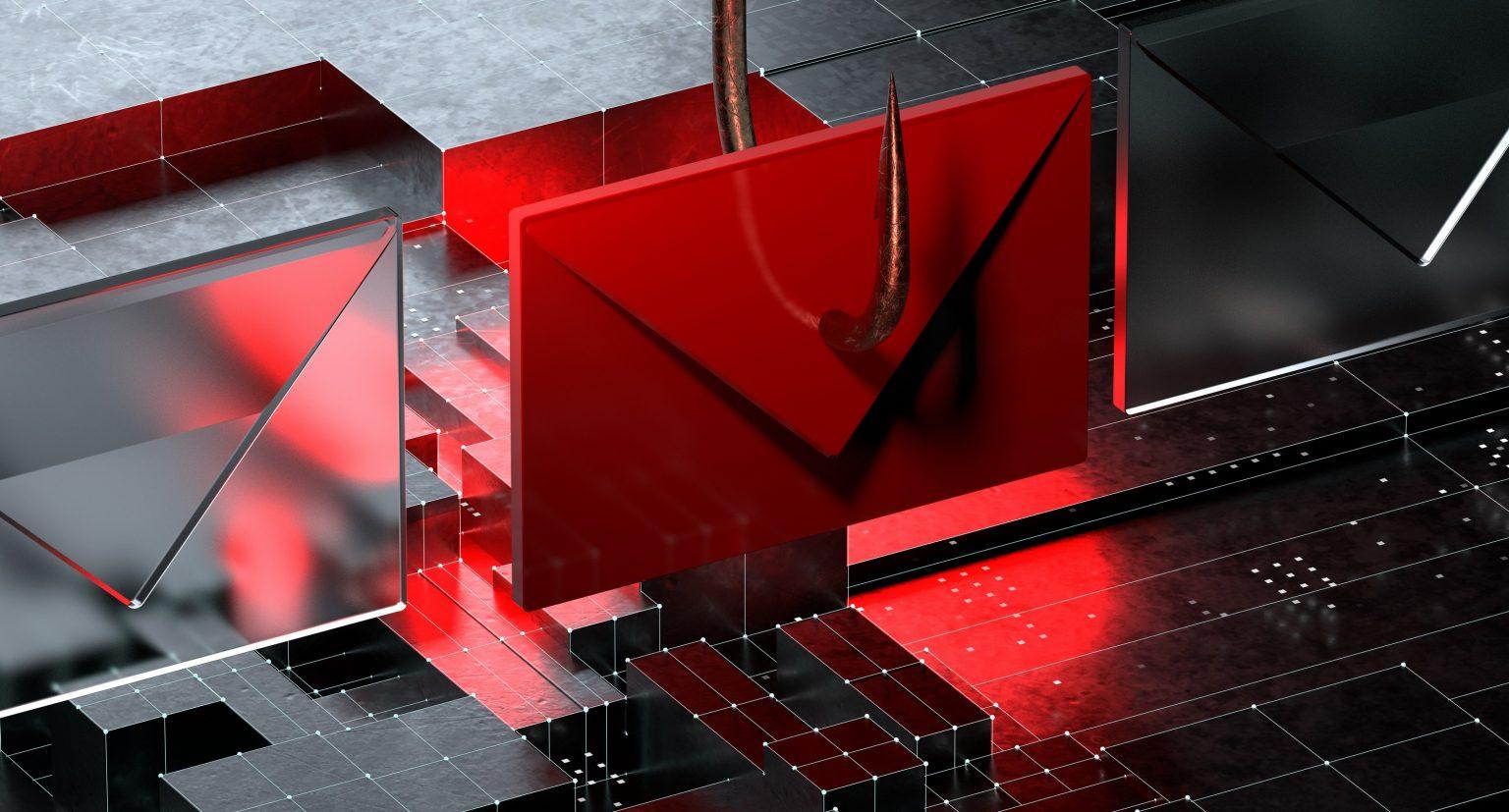

Scam Alert: “DHL – Your Parcel Has Been Delivered” phishing email is stealing user credentials by impersonating legitimate shipping updates.
Don’t Fall for the Fake DHL Delivery – Here’s What’s Really Going On
You check your inbox and see a message that looks like a package notification from DHL. Maybe it mentions a parcel you’re expecting — or one you didn’t even know was coming. Either way, curiosity kicks in, and you open the email. It includes what looks like an official tracking notice and asks you to log in to view more details. But here’s the catch: this isn’t from DHL. It’s a phishing scam designed to steal your email password.
This scam is spreading fast and catching people off guard — especially because it uses DHL’s branding and urgency to appear legitimate. Below, we’ll break down how the scam works, how to spot it, and most importantly, how to protect yourself.
Scam Summary
| Item | Details |
|---|---|
| Scam Type | Phishing / Email Scam |
| Deception Method | Spoofed DHL delivery emails with HTML attachments |
| What They Target / Steal | Email login credentials |
| Typical Messages | “DHL Shipment Notification: Notice of Parcel Arrival for AWB #…” |
| Danger Level | High — email access can lead to full account takeovers |
How the DHL – Your Parcel Has Been Delivered Scam Tricks You
- The Email Looks Official: You receive what looks like a legitimate delivery notice from DHL. The subject line references an “AWB” (Air Waybill) number or a shipment update.
- The Attachment Is the Trap: The email includes one or more HTML file attachments, which appear to be tracking documents or invoices.
- You’re Asked to Log In: When you open the HTML file, you’re directed to a fake login page. It may look like your email provider or a DHL portal.
- Your Credentials Are Stolen: If you enter your credentials, the attackers capture them instantly — and can now access your email.
- The Real Damage Begins: Once inside your inbox, they may reset passwords to other accounts, send more phishing emails in your name, or dig for sensitive data.
Full Text of the DHL – Your Parcel Has Been Delivered Message
There are slight variations, but most of these scam emails contain:
- DHL-style logos and branding
- Shipment notification subjects like “DHL Shipment Notification” or “Your parcel has been delivered”
- An HTML file attachment titled something like
AWB-Parcel-Report.html - A message body urging you to authenticate, confirm delivery, or view the invoice
Important: DHL never sends tracking files as HTML attachments or asks you to “sign in with your email” to view a document.
What Happens If You Fall for the DHL Phishing Scam?
If you opened the attachment and entered your email login:
- Your email account is compromised.
- Hackers may reset other account passwords (banking, social media, work systems).
- They can impersonate you by sending malware or phishing emails to friends or coworkers.
- They may find personal data (tax info, saved passwords, ID documents) in your inbox.
- They might sell your access on the dark web.
The faster you act, the less damage they can do.
What To Do If You Received or Opened the Scam Email
- Change Your Email Password Immediately – Use a strong, unique password.
- Enable Two-Factor Authentication (2FA) – If available, turn it on right away.
- Scan Your Device for Malware – Use a trusted anti-malware tool to make sure no code was executed.
- Check Sent/Deleted Items – Look for messages you didn’t send or folders that were altered.
- Warn Your Contacts – If the hackers sent phishing from your account, notify your contacts not to click anything.
- Monitor Your Financial Accounts – Be alert for suspicious logins or transfers.
How to Avoid This Scam in the Future
- Don’t open unexpected attachments, especially HTML files.
- Never “sign in” to view files unless you’re 100% sure of the sender.
- Check the sender’s email address — it’s often a random Gmail or spoofed domain.
- Use a password manager so you’re alerted if a login page isn’t genuine.
- Always access parcel tracking via official carrier websites (not attachments or links).
Manual Removal Guide: How to Identify and Remove Email Scams Yourself
Step 1: Recognizing Scam Emails
Before taking action, learn to identify email scams. Some common red flags include:
- Unknown Sender: Emails from unfamiliar addresses, especially if they claim to be from banks, tech support, or government agencies.
- Urgent or Threatening Language: Messages pressuring you to act quickly (e.g., “Your account will be suspended!”).
- Poor Grammar & Spelling Mistakes: Many scam emails contain grammatical errors.
- Suspicious Links or Attachments: Hover over links to check if they lead to an unusual website before clicking.
- Requests for Personal or Financial Information: Legitimate companies will never ask for sensitive details via email.
Step 2: Avoid Interacting with Scam Emails
If an email appears suspicious:
- Do NOT click on any links.
- Do NOT download attachments.
- Do NOT reply to the sender.
Step 3: Report the Email Scam
Reporting scam emails helps prevent others from falling victim to them:
- Gmail/Outlook/Yahoo Users: Click “Report Phishing” or “Report Spam” in your email client.
- FTC (U.S. users): Report scams to the FTC Complaint Assistant.
- Google Safe Browsing: Report phishing sites at Google’s Phishing Report.
Step 4: Block the Sender
To prevent further scam emails from the same sender:
- Gmail: Open the email, click the three dots, and select “Block [Sender Name]”.
- Outlook: Open the email, select “Junk” > “Block Sender”.
- Yahoo Mail: Click “More” > “Block Sender”.
Step 5: Check Your Accounts for Compromise
If you’ve interacted with a scam email:
- Change your passwords immediately. Use strong, unique passwords.
- Enable Two-Factor Authentication (2FA). Adds an extra security layer.
- Monitor your banking transactions for suspicious activity.
Step 6: Scan Your Device for Malware
If you accidentally clicked a link or downloaded a file, scan your system for malware:
- Windows Users (Windows Defender)
- Go to Settings > Update & Security > Windows Security > Virus & Threat Protection.
- Click “Quick Scan” or “Full Scan”.
- Mac Users
- Use security software like Malwarebytes for Mac to scan for threats.
Step 7: Strengthen Email Security
- Enable spam filtering in your email provider’s settings.
- Use a third-party spam filter such as Spamihilator or Mailwasher.
- Stay educated on phishing techniques to avoid falling for scams in the future.
SpyHunter Removal Guide: Automated Solution for Email Scam Threats
SpyHunter is a powerful anti-malware tool designed to detect and remove phishing-related threats, Trojans, spyware, and other cyber threats. If you prefer a quick and automated solution, follow these steps:
Step 1: Download SpyHunter
- Visit the official SpyHunter download page: Download SpyHunter
- Click “Download” and save the file.
Step 2: Install SpyHunter
- Open the downloaded file (SpyHunter-Installer.exe).
- Follow the on-screen installation instructions.
- Once installed, launch SpyHunter.
Step 3: Perform a Full System Scan
- Open SpyHunter and go to “Malware/PC Scan”.
- Click “Start Scan Now” to begin scanning.
- SpyHunter will detect threats linked to email scams.
Step 4: Review and Remove Detected Threats
- After the scan completes, SpyHunter will display a list of detected threats.
- Click "Fix Threats" to remove them.
- Restart your computer after removal.
Step 5: Enable Real-Time Protection
- Activate SpyHunter’s Active Guards for real-time malware protection.
- Schedule regular system scans for ongoing security.
Step 6: Keep SpyHunter Updated
- Regularly update SpyHunter to detect new threats.
- To update, go to "Settings" > "Update" and click "Check for Updates".
How to Prevent Future Email Scams
To avoid falling for email scams in the future, follow these precautions:
Use a Secure Email Provider
Consider using encrypted email services like ProtonMail or Tutanota for enhanced security.
Avoid Clicking Suspicious Links
Always verify links before clicking by hovering over them to see the actual URL.
Use a VPN on Public Wi-Fi
Scammers can intercept your data on public networks. Use a VPN for secure browsing.
Regularly Change Your Passwords
Use a password manager to generate and store secure passwords.
Install Anti-Phishing Browser Extensions
Use security extensions like Bitdefender TrafficLight or Avast Online Security to detect phishing attempts.
Email scams pose a significant risk to personal and financial security. By following this manual removal guide, you can effectively identify and remove scam emails. For those seeking a fast and automated approach, SpyHunter provides a reliable solution to detect and remove email scam-related threats.
Take Action Now
Protect your device from scam-related malware with SpyHunter: Download SpyHunter
Conclusion
The “DHL – Your Parcel Has Been Delivered” email scam is a dangerous phishing attack that preys on people’s expectations and curiosity. By mimicking legitimate shipping messages and using slick HTML attachments, scammers trick users into giving away email credentials. But now that you know the signs — and what to do if you’ve been targeted — you can stay one step ahead.
If you’ve received this scam, change your passwords, enable 2FA, and scan your system. The sooner you respond, the less damage it can do.