

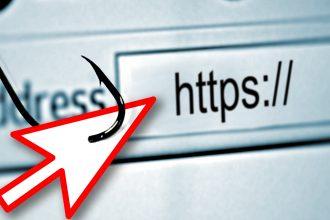





Phishing is one of those cyber threats that just won’t quit. It’s sneaky, constantly evolving, and it preys on human behavior rather than just technical flaws. And here’s the kicker: your employees are the first line of defense against it. One careless click on a fake link can set off a chain reaction—stolen data, frozen systems, ransomware, and costly downtime.
So let’s be real: you can invest in firewalls, antivirus software, and the latest security tools (and you should), but if your team isn’t aware of how phishing works, your business is still exposed. That raises the big question: How do you actually teach employees about phishing in a way that sticks?
Let’s walk through it together.
Cybersecurity for Business
Your business faces constantly evolving cyber threats that can jeopardize sensitive data, disrupt operations, and damage your reputation. Our cybersecurity for business solutions are tailored to meet the unique challenges of companies of all sizes, providing robust protection against malware, phishing, ransomware, and more.
Whether you’re a small startup or a large enterprise, we offer multi-license cybersecurity packages that ensure seamless protection for your entire team, across all devices. With advanced features like real-time threat monitoring, endpoint security, and secure data encryption, you can focus on growing your business while we handle your digital security needs.
Get a Free Quote Today! Safeguard your business with affordable and scalable solutions. Contact us now to request a free quote for multi-license cybersecurity packages designed to keep your company safe and compliant. Don’t wait—protect your business before threats strike!
Start with the “Why”
Think about it—when someone tells you “Don’t click suspicious links,” does that actually make you stop and think? Probably not. Employees need to understand why phishing matters.
Here’s how you can explain it:
- Real costs: A single phishing attack can cost businesses thousands, sometimes even millions. According to studies, phishing is behind the majority of ransomware infections.
- Deceptive tactics: Hackers often impersonate vendors, banks, or even your CEO. That email asking you to “quickly process a payment” may look normal until you zoom in.
- Ripple effects: It’s not just about one person. If one employee clicks, the whole company could be compromised.
When you connect phishing to real consequences, employees start to take it seriously.
Use Real-Life Examples
Let’s make this concrete. Imagine getting an email that looks like it’s from Amazon. The logo’s there, the colors look right, but the email address is something like “support@amaz0n.net.” That one little zero instead of an “o” is the red flag. Would everyone on your team catch that?
Probably not—unless they’ve been trained to look for it.
So instead of abstract warnings, show your team actual phishing emails. Break them down together. Point out the warning signs:
- Strange sender addresses
- Typos or awkward grammar
- Suspicious attachments
- Links that don’t match the display text
- Urgent calls like “Reset your password NOW!”
And here’s another tip: share news stories. When employees see real companies taken down by phishing, it becomes less of an “IT problem” and more of a “this could happen to us” wake-up call.
Make Training Interactive
Here’s the truth: nobody remembers the 47-slide PowerPoint from last year’s training day. What they will remember is the time they almost clicked a fake phishing email that IT sent as a test.
Interactive training works because it turns theory into experience. Try:
- Simulated phishing campaigns: Send out test phishing emails and see who bites. Don’t shame people—turn it into a learning opportunity.
- Gamify it: Offer rewards to employees who consistently spot phishing attempts. Even small incentives like gift cards or public recognition go a long way.
- Encourage “see something, say something”: Make it easy to report suspicious emails. A quick forward to IT should be the standard habit, not an afterthought.
Ask yourself: Would your employees feel comfortable reporting a suspicious email today? Or would they hesitate? If it’s the latter, it’s time to make the process simpler and friendlier.
Are you wondering How to Protect Your Small Business from Hackers? Read our guide to obtain the toolkit and skills for combating phishing and malware threats from infiltrating your business cyber atmosphere.
Keep Training Ongoing
Here’s where many businesses go wrong—they treat phishing training as a “check-the-box” event. One and done. The problem? Phishing tactics change all the time.
So instead, build a rhythm:
- Share monthly tips via email or chat tools.
- Run quarterly phishing tests to keep awareness sharp.
- Host short lunch-and-learn sessions (bonus if you bring pizza—food helps attendance!).
- Use quick video explainers that employees can watch in under five minutes.
Cybersecurity isn’t static, so your training shouldn’t be either.
Equip Employees With the Right Tools
Even with the best training, mistakes happen. That’s why your team needs backup from technology.
- Business antivirus & anti-malware software: Tools like SpyHunter help protect against phishing payloads and malware. The multi-license option makes it easy to cover all your company devices.
- Email filtering tools: A good spam filter can catch many phishing emails before they even hit inboxes.
- Multi-factor authentication (MFA): Even if someone’s password gets stolen, MFA can stop hackers from logging in.
Think of it this way: training teaches employees to spot the threats, and tools give them a safety net when something slips through.
Build a Cyber-Aware Culture
Here’s the big picture: phishing awareness isn’t just a checklist. It’s a mindset. The goal isn’t to make employees paranoid—it’s to make security part of the culture.
A healthy culture looks like this:
- Employees double-check before acting on urgent requests.
- People freely ask, “Is this email safe?” without fear of looking silly.
- Leaders set the tone by taking part in training, not just delegating it.
It’s like workplace safety—just as you’d remind people to wear helmets on a construction site, you want your office to normalize safe cyber habits.
Wrapping It Up
So, how do you teach employees about phishing? By making it relatable, interactive, and ongoing. By giving them both the knowledge and the tools they need. And most importantly, by creating a culture where security isn’t an afterthought—it’s just how things are done.
If you haven’t started yet, don’t worry—it’s never too late. Start small: send out a phishing example tomorrow, or run a mini-test next week. Over time, those little steps build into a stronger defense.
And while you’re training your team, don’t forget the tech side. A solution like SpyHunter with multi-license support helps you protect every device across your business, giving you peace of mind that training alone can’t.
Your employees can be your weakest link—or your strongest shield. The choice comes down to how you prepare them.
Cybersecurity for Business
Your business faces constantly evolving cyber threats that can jeopardize sensitive data, disrupt operations, and damage your reputation. Our cybersecurity for business solutions are tailored to meet the unique challenges of companies of all sizes, providing robust protection against malware, phishing, ransomware, and more.
Whether you’re a small startup or a large enterprise, we offer multi-license cybersecurity packages that ensure seamless protection for your entire team, across all devices. With advanced features like real-time threat monitoring, endpoint security, and secure data encryption, you can focus on growing your business while we handle your digital security needs.
Get a Free Quote Today! Safeguard your business with affordable and scalable solutions. Contact us now to request a free quote for multi-license cybersecurity packages designed to keep your company safe and compliant. Don’t wait—protect your business before threats strike!