














Cyberattacks are no longer rare incidents — they’re a daily reality for businesses of all sizes. According to recent studies, the average cost of a data breach for small businesses can exceed $150,000, enough to cripple operations. One of the most effective yet underused strategies to prevent such disasters is implementing a network segmentation policy.
Think of it like a cruise ship’s watertight compartments: even if one room floods, the rest stays dry. Network segmentation works the same way — if an attacker breaches one part of your network, they can’t easily roam freely through the rest.
Cybersecurity for Business
Your business faces constantly evolving cyber threats that can jeopardize sensitive data, disrupt operations, and damage your reputation. Our cybersecurity for business solutions are tailored to meet the unique challenges of companies of all sizes, providing robust protection against malware, phishing, ransomware, and more.
Whether you’re a small startup or a large enterprise, we offer multi-license cybersecurity packages that ensure seamless protection for your entire team, across all devices. With advanced features like real-time threat monitoring, endpoint security, and secure data encryption, you can focus on growing your business while we handle your digital security needs.
Get a Free Quote Today! Safeguard your business with affordable and scalable solutions. Contact us now to request a free quote for multi-license cybersecurity packages designed to keep your company safe and compliant. Don’t wait—protect your business before threats strike!
What Is a Network Segmentation Policy?
A network segmentation policy is a documented set of rules and procedures for dividing a company’s network into isolated segments or zones, each with its own security controls and access restrictions.
Key Goals of a Network Segmentation Policy:
- Limit lateral movement of cybercriminals and malware.
- Protect sensitive data by isolating it in high-security segments.
- Reduce the blast radius if an attack occurs.
- Improve compliance with regulations like HIPAA, PCI DSS, or GDPR.
Why Businesses Need Network Segmentation
Without segmentation, a single compromised device can serve as a launchpad for attackers to access your entire network. This is especially dangerous for companies handling sensitive financial, medical, or intellectual property data.
Benefits include:
- Containment of threats: Malware stays trapped in the compromised segment.
- Enhanced performance: Less congestion and more efficient bandwidth usage.
- Regulatory compliance: Easier to demonstrate security controls during audits.
- Improved monitoring: Unusual traffic patterns are easier to detect.
How to Create an Effective Network Segmentation Policy
1. Assess Your Assets and Risks
Start by identifying all devices, applications, and data repositories. Classify them based on sensitivity and operational importance.
2. Define Segments
Common business network segments include:
- Guest Wi-Fi: Completely separate from internal systems.
- Corporate LAN: For day-to-day business operations.
- Finance and HR systems: Highly restricted access.
- Development/Test environments: Isolated to prevent cross-contamination.
3. Establish Access Controls
Use role-based access control (RBAC) and multi-factor authentication (MFA) to limit who can access each segment.
4. Deploy Firewalls and Intrusion Prevention Systems
These act as gates between segments, filtering malicious traffic.
5. Document and Enforce Policies
Include guidelines for new device connections, software installations, and vendor access.
6. Monitor and Update Regularly
Review traffic logs, run vulnerability scans, and adapt segmentation as your business evolves.
Common Mistakes to Avoid
- Over-complicating the network: Too many segments without clear purpose can slow operations.
- Failing to update: Old policies that don’t match current systems leave gaps.
- Neglecting employee training: Staff should understand why segmentation matters and how it affects their workflow.
The Role of Anti-Malware in Segmented Networks
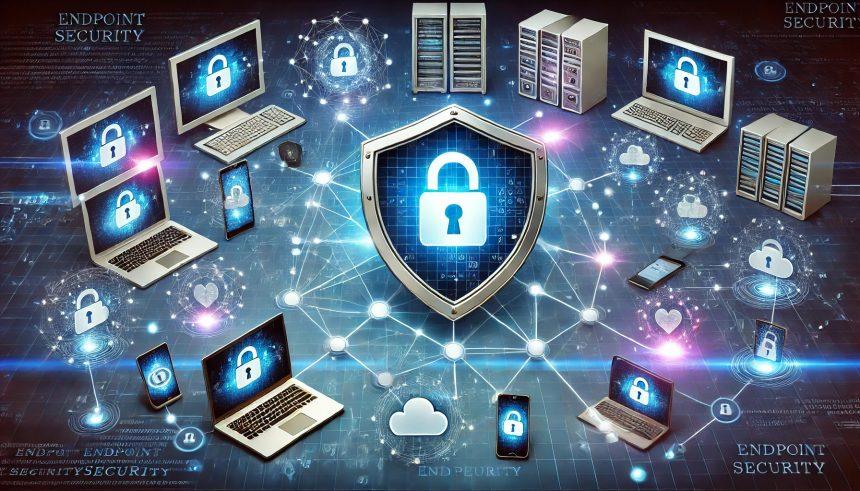
Even with segmentation, you need endpoint protection to prevent threats from entering in the first place. Tools like SpyHunter’s multi-license anti-malware solution give businesses a cost-effective way to protect multiple devices across different network segments.
With a multi-license plan, you can:
- Equip every workstation and server with real-time malware defense.
- Prevent ransomware from spreading across segments.
- Reduce downtime after an incident.
Conclusion: Strengthen Your Cyber Defenses Today
A well-implemented network segmentation policy is one of the most cost-effective ways to protect your business from costly breaches. Combined with strong endpoint security like SpyHunter’s multi-license protection, it provides a layered defense that can withstand modern cyber threats.
Act now: Review your network architecture, document your segmentation policy, and secure every endpoint to ensure your business remains resilient.
Cybersecurity for Business
Your business faces constantly evolving cyber threats that can jeopardize sensitive data, disrupt operations, and damage your reputation. Our cybersecurity for business solutions are tailored to meet the unique challenges of companies of all sizes, providing robust protection against malware, phishing, ransomware, and more.
Whether you’re a small startup or a large enterprise, we offer multi-license cybersecurity packages that ensure seamless protection for your entire team, across all devices. With advanced features like real-time threat monitoring, endpoint security, and secure data encryption, you can focus on growing your business while we handle your digital security needs.
Get a Free Quote Today! Safeguard your business with affordable and scalable solutions. Contact us now to request a free quote for multi-license cybersecurity packages designed to keep your company safe and compliant. Don’t wait—protect your business before threats strike!